
 Catherine Hu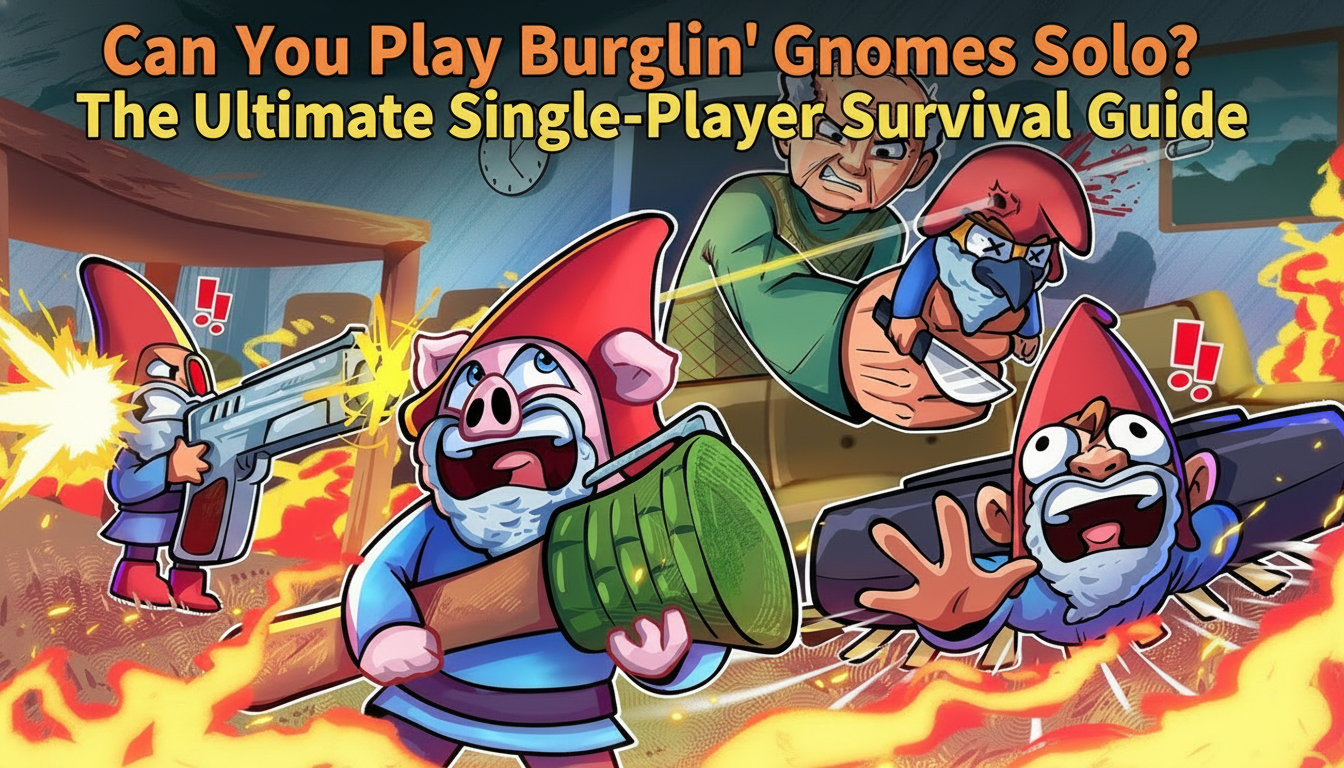
Picture this: You have just successfully infiltrated a massive, dimly lit suburban kitchen in Burglin’ Gnomes. You have managed to bypass the squeaky floorboards, hoisted yourself onto the countertops, and secured a high-value toaster that will easily meet your first quota. But as you turn to make your grand escape back to the gnome home, a massive shadow falls over you. The homeowner is awake. In a standard four-player co-op lobby, this is the moment your friends would start throwing plates to distract the towering AI, allowing you to slip away into the mouse holes.
But you are not in a co-op lobby. You are playing Burglin’ Gnomes entirely by yourself. Within seconds, the human snatches you up, ties you tightly with thick twine, and unceremoniously tosses you straight into the blazing oven. Your run is dead, your hard-earned loot is gone, and the quota remains unmet. The brutal reality of Burglin’ Gnomes is that while the game is heavily marketed as a chaotic multiplayer experience akin to Lethal Company or R.E.P.O., braving the human world as a lone gnome is an entirely different, borderline masochistic genre of horror-stealth. Without the safety net of teammates, every single footstep, inventory slot, and stamina bar depletion becomes a matter of life and death.
Editor’s Note
“After spending over 80 hours grinding the Burglin’ Gnomes demo exclusively in single-player mode, I can confirm that solo play is not just an afterthought—it is a grueling test of route optimization and AI manipulation. The lack of a revive mechanic means a single mistake resets your entire expedition. You cannot play this like a co-op game; you have to play it like a tactical espionage simulator.”
Quick Answer: TL;DR: The Short Answer
Mechanics Deep Dive: Understanding the Problem
If you are constantly failing your solo runs in Burglin’ Gnomes, it is likely because you are trying to apply multiplayer tactics to a single-player environment. In co-op, chaos is a viable strategy; in solo, chaos is a death sentence. To truly understand how to survive alone, we must meticulously break down the core mechanics that actively work against the solo player and analyze the most common fatal mistakes.
The Quota Trap and Inventory Mismanagement
The overarching progression loop in Burglin’ Gnomes revolves around the “burglin’ haul”—stealing enough human items to meet a strict quota and using the surplus to craft equipment and upgrade your gnome home. In a four-player session, the team has a combined inventory capacity that allows them to sweep a room clean in seconds. As a solo player, you are severely bottlenecked by your tiny gnome hands.
The most common mistake single-player gamers make is succumbing to the “Loot Goblin” mentality. You break into the living room and immediately start stuffing your pockets with low-value, heavy items like decorative mugs or heavy books. Because Burglin’ Gnomes implements a weight-based stamina penalty, carrying these heavy items slows your movement speed to a crawl and drains your stamina exponentially faster. When the human homeowner patrols the hallway, you will not have the stamina required to sprint to a hiding spot. In solo play, inventory space is your most precious resource. Every slot must be calculated based on a strict value-to-weight ratio. If you fill your limited slots with cheap junk, you will inevitably fail the quota, no matter how many trips you make back to your base.
The Aggro Economy and the AI Homeowner
In multiplayer, the human AI operates on an “aggro economy.” If Player A drops a vase and makes a loud noise, the human investigates Player A’s location, giving Players B, C, and D free reign to loot the rest of the house. This division of attention is the cornerstone of co-op survival.
When you play Burglin’ Gnomes solo, 100% of the AI’s aggro is permanently directed at you the moment you make a mistake. The game’s sound detection mechanics are incredibly sensitive. Walking over scattered toys, failing a lockpicking mini-game, or dropping an item from a height generates a sound radius. If the human enters that radius, they will relentlessly pursue you. The fatal error solo players make is attempting to “kite” the human. Because you are a tiny gnome with short legs, you cannot outrun the homeowner in a straight line. If you are spotted and you do not have a pre-planned escape route into a wall vent or under a low-clearance piece of furniture, you will be caught, tied up, and thrown into the oven. There is no one to untie you. Your run ends instantly.
Neglecting the Gnome Home Upgrades
Burglin’ Gnomes is not just about stealing; it is heavily focused on base building and crafting. The game allows you to build functional furniture and craft equipment to make subsequent missions easier. In multiplayer, players often pool their resources to buy fun, chaotic items or cosmetic upgrades for their shared home.
In solo play, neglecting the functional upgrade tree is a critical mistake. Many players hoard their early-game haul to buy high-tier tools later, completely ignoring the cheap, early-game stamina and stealth upgrades. As the days progress, the quotas in Burglin’ Gnomes scale aggressively. If you have not invested your early loot into upgrading your gnome’s carry capacity, crafting quieter shoes, or building base furniture that provides passive buffs, the mid-game quotas will mathematically outpace your physical ability to haul loot. You must treat your gnome home as a strategic command center, prioritizing functional survival gear over aesthetic base improvements.
Best Alternative Methods and Advanced Tips
To overcome the immense disadvantages of playing alone, you need to fundamentally change how you navigate the human house. If you want to dive even deeper into manipulating the game’s line-of-sight mechanics before attempting these strategies, we highly recommend learning how to bypass detection entirely. For now, let’s focus on the two most powerful high-level strategies specifically designed to help solo players dominate their quotas.
The “Drop and Dash” Relay System
Since you do not have teammates to form a bucket brigade of loot, you must simulate one yourself using the “Drop and Dash” relay system. Never attempt to carry a high-value, heavy item all the way from the deepest part of the house directly back to your gnome home in a single trip. The prolonged exposure time practically guarantees you will cross paths with the roaming human AI.
Instead, establish “safe zones” throughout the house—areas like under the living room sofa, behind the washing machine, or inside a low kitchen cabinet where the human cannot reach. When you find a valuable item (like a smartphone or a gold watch), sprint it only as far as your nearest safe zone and drop it on the floor. Immediately return to looting. By staging your loot in these hidden halfway points, you minimize the time you spend encumbered by heavy weight. Once you have amassed a large pile of loot in a safe zone near an exit (like a cracked window or a mouse hole), you can quickly shuttle the items back to your gnome home in rapid, safe bursts. This method drastically reduces your risk of getting caught while exhausted and ensures that even if you have to abandon a run early, your loot is easily accessible for a quick grab on the way out.
Audio Decoy Crafting and Pre-Planning
Since you cannot rely on a friend to make noise on the other side of the map, you must craft your own distractions. The crafting system in Burglin’ Gnomes offers several deployable items, but the most underutilized by beginners is the mechanical noisemaker or wind-up toys.
Before you even attempt to breach a high-risk room (such as the master bedroom where the most valuable loot spawns), you must set up your audio decoys. Place a wind-up toy in the opposite hallway and set a mental timer. When you need to cross a dangerous open space, trigger the decoy. The human AI is hardcoded to investigate the loudest noise in their immediate vicinity. While the homeowner is busy stomping over to investigate the clicking mechanical toy, you have a 10 to 15-second window to sprint into the bedroom, grab the most valuable item, and retreat to the walls. Mastering this solo-exclusive distraction technique is the only reliable way to clear late-game houses where the human is highly alert and patrols frequently.
The Ultimate QoL Solution: Bypassing the Grind with XMODhub
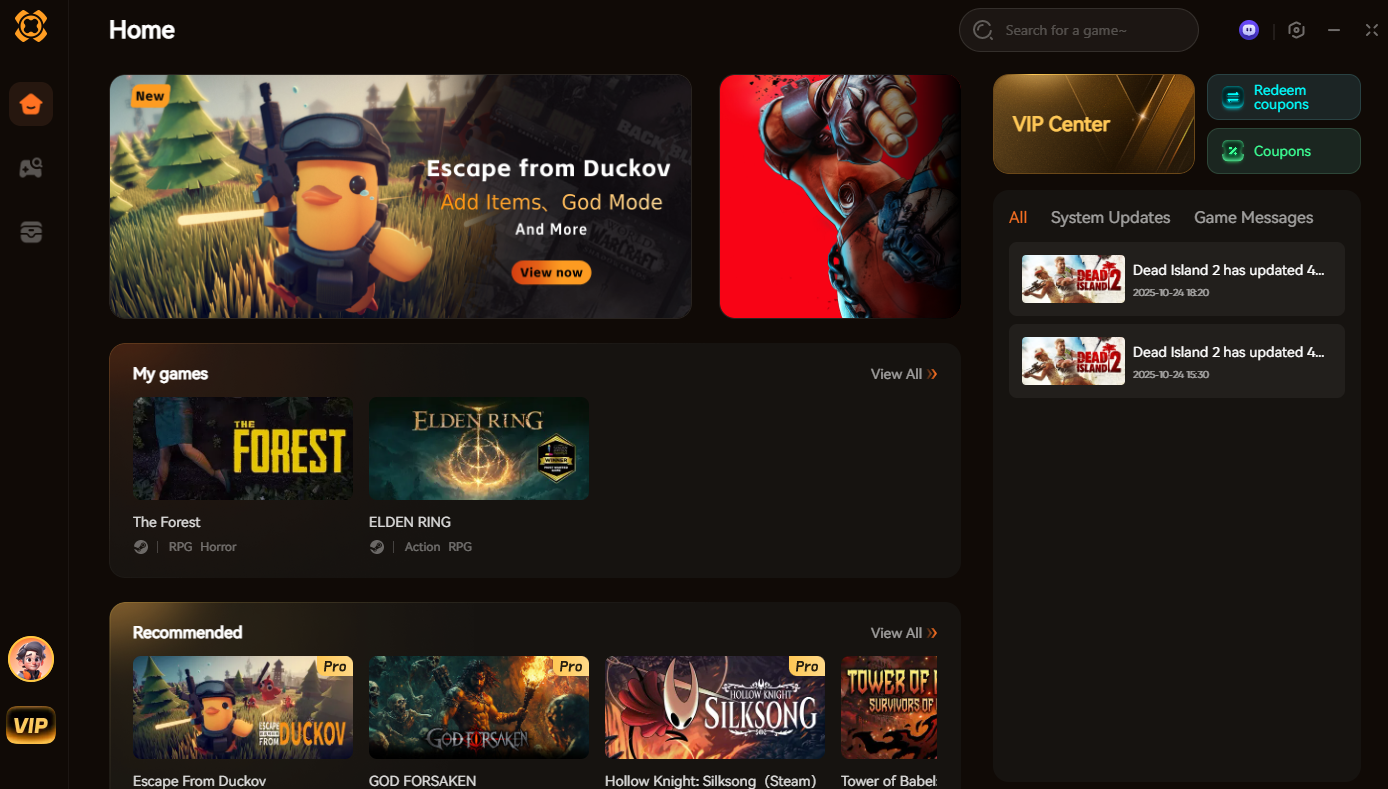
Let’s be brutally honest: playing Burglin’ Gnomes solo can sometimes feel less like a fun indie game and more like a grueling second job. The quota scaling is balanced around a full team of four players, meaning solo players have to work four times as hard just to barely scrape by. When you are tired of getting thrown into the oven because your gnome ran out of stamina an inch away from the mouse hole, it is time to level the playing field.
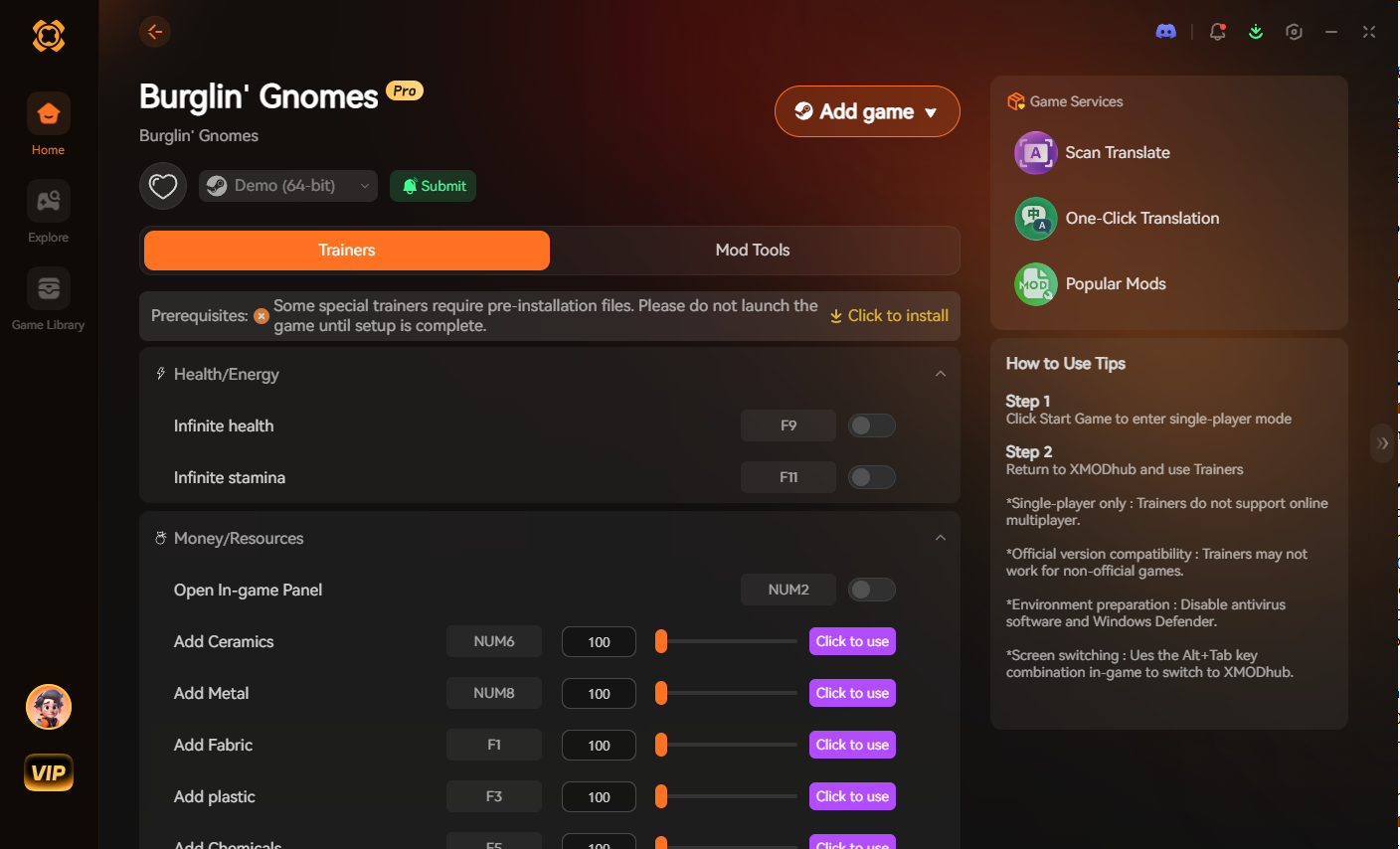
This is where XMODhub becomes the ultimate quality-of-life upgrade for solo players. Instead of pulling your hair out over unfair AI mechanics, XMODhub offers bespoke, safe modifications tailored directly for the Burglin’ Gnomes single-player experience. Struggling with the brutal carry weight? Toggle on Infinite Gnome Stamina. Tired of the human AI instantly snapping to your location? Activate Freeze Human AI Aggro or Invisible to Homeowner. Want to focus purely on the base-building aspect without the stress of the deadline? Use the Loot Value Multiplier to hit your quota with a single stolen teaspoon.
Follow these 3 simple steps to fix this instantly:
Solo Loot Priority Matrix: What to Steal First
When you are the only one hauling loot, you cannot afford to waste inventory slots on heavy, low-value junk. The key to conquering the solo quota is mastering the Value-to-Weight Ratio. To optimize your runs and minimize exposure to the homeowner, strictly adhere to this solo priority matrix:
| Item Classification | Example Loot | Value-to-Weight Ratio | Solo Priority Level |
|---|---|---|---|
| High-Tech Electronics | Smartphones, Smartwatches, Tablets | Exceptional (High Value, Very Light) | Must-Grab |
| Jewelry & Valuables | Gold Rings, Pearl Necklaces, Loose Cash | High (High Value, Light) | Must-Grab |
| Small Kitchen Gadgets | Spatulas, Silverware, Salt Shakers | Moderate (Low Value, Very Light) | Filler Only |
| Decorations & Appliances | Vases, Heavy Books, Toasters, Blenders | Terrible (Moderate Value, Very Heavy) | Avoid Entirely |
If you spot a smartphone on the nightstand, ignore the heavy jewelry box next to it unless you have already maxed out your gnome’s carry capacity upgrades. Your goal is to get in, grab the lightest, most expensive items, and extract immediately.
Navigating the House: Safest Solo Escape Routes
Another crucial aspect of solo survival is mastering verticality and environmental hazards. In multiplayer, if someone steps on a squeaky floorboard, another player can draw the aggro. In solo, that single creak is a death sentence.
Always prioritize elevated pathways. Countertops, high shelves, and the tops of doorframes are generally out of the homeowner’s direct line of sight and keep you away from floor-level traps like scattered toys or sticky traps. Furthermore, memorize the locations of the mouse holes. These act as fast-travel mini-tunnels that bypass large sections of the house. A solo player should never traverse an open hallway if a connecting mouse hole is available. Map out these structural shortcuts in your mind during the first day of the quota, as they will become your primary lifelines when the AI aggression scales up later in the week.
Frequently Asked Questions
A: Based on current demo builds, the quota scaling is highly unforgiving and does not significantly scale down to accommodate a single player’s inventory limitations. You are expected to hit targets that are balanced for at least two players, which is why optimizing your loot routes and prioritizing high-value, low-weight items is absolutely critical for solo survival.
A: No. In co-op, other gnomes can theoretically interact with the environment to cause a distraction or free you before the human finishes the animation. In single-player, getting grabbed and tied up is a hard game-over state. You must prioritize stealth above all else, as there are no second chances.
A: Upgraded footwear or any stamina-enhancing gear. Because you have to do all the running yourself, base movement speed and stamina regeneration are your biggest bottlenecks. Do not waste your early hauls on cosmetic furniture for your gnome home; invest entirely in your gnome’s physical capabilities.
A: Burglin’ Gnomes allows you to upgrade your specific gnome home with your burglin’ haul. While multiplayer specifics are still being finalized ahead of the full Steam release, progression is typically tied to the host’s save file. Upgrading your home solo will give you a massive tactical advantage if you later invite friends into your heavily fortified, well-equipped base.
Final Verdict
Playing Burglin’ Gnomes solo is entirely possible, but it transforms the game from a hilarious, chaotic party experience into a hardcore, high-stakes stealth survival game. By abandoning the multiplayer mindset, meticulously managing your inventory weight, utilizing the “Drop and Dash” relay method, and relying on crafted audio decoys, you can outsmart the human homeowner and build the ultimate gnome empire all by yourself.
However, if you want to bypass the artificial difficulty spike and experience the joy of base building without the crushing pressure of co-op balanced quotas, XMODhub is your best friend. With support for over 5,000 PC games—including similar co-op hits like Lethal Company—XMODhub puts the control back in your hands, letting you tailor the difficulty to your exact preferences.

I am a passionate gamer and writer at XMODhub, dedicated to bringing you the latest gaming news, tips, and insights.
Connect with me:
LinkedIn Profile ↗



 Nancy Miller