 Catherine Hu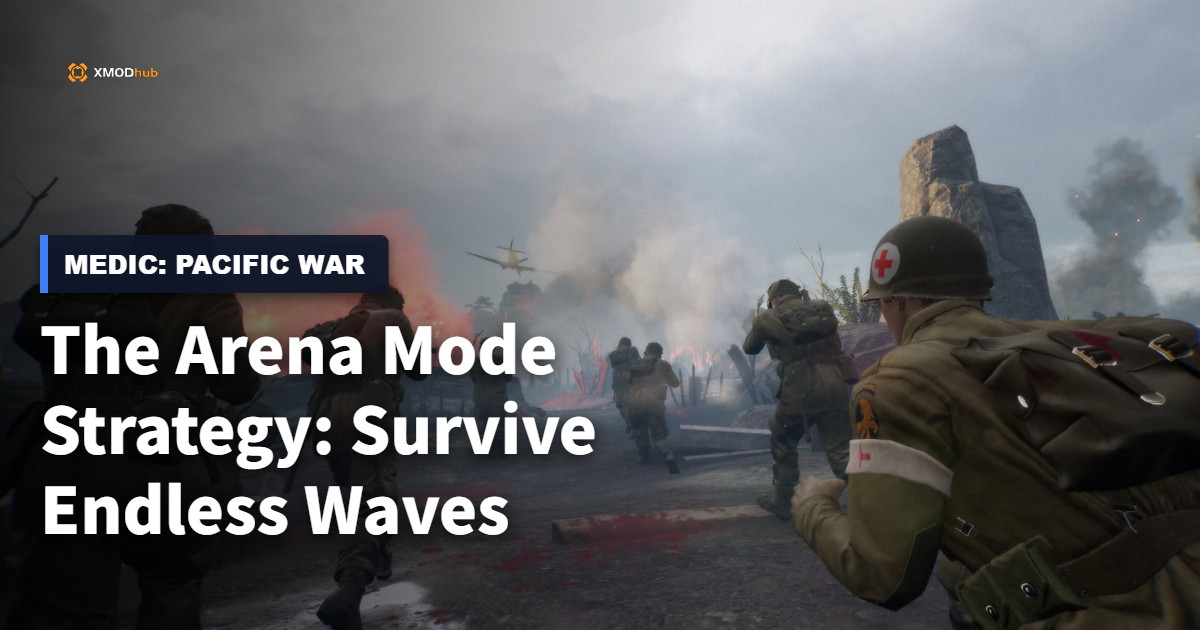
Any player who has booted up the Early Access build of Medic: Pacific War knows the sheer, unadulterated panic that sets in during your first attempt at the Arena Mode. You drop into a brutally realistic recreation of the Pacific Campaign, expecting a standard horde mode experience. But there is a massive catch: you are completely unarmed. There are no killstreaks, no heavy machine guns to mount, and no airstrikes to call in. Instead, you are armed only with a medical bag, your own two legs, and the horrifying responsibility of deciding who lives and who dies. Players searching for a reliable Medic: Pacific War Arena Mode Strategy: Survive Endless Waves usually arrive here after suffering a catastrophic failure around Wave 4 or Wave 5. Your screen blurs from suppression, artillery shells deafen your audio, and you watch helplessly as your stamina bar hits zero while trying to drag a screaming squadmate out of the fatal funnel. You run out of morphine, you misread a triage tag, and suddenly, the entire morale bar collapses, resulting in a devastating “Game Over.” Surviving this endless meat grinder requires completely rewiring your gamer brain—shifting from an offensive mindset to a purely logistical, resource-driven survival mentality.
Editor’s Note:
“The Arena Mode in Medic: Pacific War is less about traditional action and more about high-stakes time management. After 150+ hours in the endless waves, the hardest lesson to learn is that you cannot save everyone. The moment you hesitate over a critically wounded soldier who is beyond saving (Black Tag), you have essentially killed two other soldiers who could have survived with a simple tourniquet. Master your stamina, memorize the animation lock times for bandaging, and never, ever sprint into an open field without a smoke grenade.”
Quick Answer:
Mechanics Deep Dive: Understanding the Problem
To truly conquer the Medic: Pacific War Arena Mode Strategy: Survive Endless Waves, we must first dissect exactly why so many players fail. The game’s engine is built on brutal realism. The developers at Hypnotic Ants designed the mechanics to punish impulsive, heroic behavior. If you play Medic: Pacific War like a traditional arcade shooter where you just hold ‘E’ to revive a teammate, you will be punished with rapid resource depletion and inevitable failure. Let’s break down the three most common fatal errors players make when facing the endless waves.
The “Hero Complex” and Triage Mismanagement
The single biggest reason players fail to survive endless waves in Medic: Pacific War is the refusal to accept the triage system. In Arena Mode, the game spawns waves of casualties dynamically based on the intensity of the incoming artillery and enemy machine-gun fire. By Wave 5, you might have eight soldiers screaming for a medic simultaneously. The amateur mistake is running to the closest soldier and immediately initiating the healing mini-game.
Medic: Pacific War utilizes a realistic START (Simple Triage and Rapid Treatment) system. If you spend 45 seconds trying to stabilize a soldier with catastrophic, unsalvageable injuries (a Black Tag patient), three other soldiers with easily treatable arterial bleeds (Red Tags) will bleed out in the dirt. Every time a soldier dies, your overall “Platoon Morale” meter drops. If Platoon Morale hits zero, the run ends. You must visually inspect the wounds, check their breathing, and make a split-second, ruthless decision. Attempting to save a doomed NPC not only wastes your precious time but also locks you into an animation where stray bullets can easily clip you. Understanding that letting someone die is a core mechanic of the Medic: Pacific War Arena Mode Strategy: Survive Endless Waves is the first hurdle you must overcome.
The Collapse of the Medical Supply Economy
In the standard campaign of Medic: Pacific War, you can usually scavenge supplies between set pieces. In Arena Mode, the supply drops are tied to wave completion and your overall triage score. Players consistently run out of supplies by Wave 7 because they over-medicate in the early waves.
Every medical item in Medic: Pacific War has a specific use-case and an animation duration. Morphine instantly stabilizes a patient’s shock level, but you only start with a handful of syrettes. Tourniquets stop massive limb bleeding immediately but are in short supply. The fatal error is using a tourniquet on a minor laceration or using morphine on a soldier who is simply panicked (Yellow Tag). When the massive casualty events trigger in later waves, and you are faced with four amputees, lacking tourniquets means an instant wipe. Furthermore, players often forget that basic bandages can handle 70% of the game’s wounds if you just take the time to apply pressure—a mechanic that costs time rather than premium resources. Failing to balance the “Time vs. Resource” economy is a guaranteed death sentence in the endless waves.
Stamina Drain and the “Fatal Funnel” Animation Locks
Because you are an unarmed medic in Medic: Pacific War, your only defense against the raining bombs and shredding bullets is the environment and your stamina bar. When a soldier goes down in an open field (the fatal funnel), the instinct is to sprint out, heal them, and sprint back. This ignores the game’s suppression mechanics. When bullets crack overhead, your character’s vision blurs, and stamina regeneration halts.
There are two ways to move a casualty in Medic: Pacific War: the low drag and the Fireman’s Carry. The Fireman’s Carry is fast but consumes your stamina bar in seconds and increases your hitbox size, making you a prime target for enemy snipers. The low drag is slower, keeps you under the cover of defilades, but leaves the patient bleeding out longer. Players constantly misjudge their stamina, attempting a Fireman’s Carry under heavy fire, running out of breath halfway to the trench, and being forced to drop the patient in the open. You are then animation-locked while recovering breath, leading to both you and the patient being eliminated. Mastering movement weight and stamina conservation is non-negotiable.
Best Alternative Methods and Advanced Tips
If you want to push past Wave 20 and truly master the Medic: Pacific War Arena Mode Strategy: Survive Endless Waves, you need to abandon basic gameplay loops and start exploiting the game’s advanced mechanics. Before diving into these high-level tactics, you must ensure your character’s baseline stats are optimized. You can significantly reduce the difficulty of these endless waves by optimizing your core loadout via the Medic: Pacific War: Best Skills & Upgrades to Unlock First. Having the right perks equipped fundamentally changes how these advanced strategies perform.
The “Triage Trench” Relay System
Instead of running to a casualty and treating them on the spot, you must establish a centralized “Triage Trench.” At the start of every wave in Medic: Pacific War, identify the deepest crater or the most reinforced bunker on the map. This is your hospital. When the wave begins and casualties drop, do absolutely zero healing in the field.
Your only job is to sprint out, apply a rapid tourniquet ONLY if there is an immediate arterial bleed (to pause the bleed-out timer), and immediately low-drag the soldier back to your Triage Trench. Repeat this process until all salvageable soldiers are in one safe location. Why is this effective? Because Medic: Pacific War has an AoE (Area of Effect) morale mechanic. When you successfully treat a soldier, nearby wounded soldiers gain a temporary pause to their panic meters. By grouping them up, you maximize the efficiency of your healing animations. Furthermore, treating patients inside a trench entirely negates the suppression blur, meaning your mini-game skill checks (like stitching wounds or performing CPR) are much easier to execute without the camera shaking violently.
Exploiting AI Targeting and Smoke Grenade Economy
In Medic: Pacific War, the enemy AI prioritizes moving, upright targets. As an unarmed medic, you do not draw aggro like a machine gunner would, but you will absolutely be targeted if you stand up during an active barrage. To survive the endless waves, you must master the auditory cues of the artillery.
The game uses a realistic sound delay. When you hear the distant “thump” of artillery, you have exactly 3.5 seconds before the shells impact your sector. This is your window to move. Advanced players use “Strategic Morale Sacrifice.” If a soldier goes down in a highly exposed area, do not use your precious smoke grenades immediately. Wait for the artillery barrage to force the enemy AI to take cover (suppressing their fire), pop your smoke grenade directly on the casualty, and sprint in during the chaos. Smoke grenades in Medic: Pacific War do not just block line of sight; they actually reset the enemy AI’s tracking lock on your character. Hoard your smoke grenades from the early supply drops and use them exclusively for extracting Red Tag patients from the fatal funnel in Waves 15 and beyond.
Comprehensive Triage Tag Classification Matrix
To execute the Medic: Pacific War Arena Mode Strategy: Survive Endless Waves flawlessly, you must internalize the visual and auditory cues of the game’s injury system. Misidentifying a wound type wastes critical seconds. Below is the definitive breakdown of how you should categorize and process casualties during high-intensity waves.
| Triage Category | Visual Indicators / Wounds | Required Medical Action | Priority Level |
|---|---|---|---|
| Red Tag (Immediate) | Arterial spurting, tension pneumothorax, unconsciousness with a pulse. | Rapid tourniquet application, Morphine injection, immediate drag to trench. | High |
| Yellow Tag (Delayed) | Deep lacerations, stable fractures, moderate shock, screaming. | Standard pressure dressing, splinting only when the immediate area is secure. | Medium |
| Green Tag (Minor) | Superficial cuts, panic attacks, minor burns, walking wounded. | Basic bandages, natural clotting. Ignore entirely during active artillery shelling. | Low |
| Black Tag (Expectant) | Catastrophic amputation with massive blood pooling, zero pulse, unresponsive. | Abandon immediately. Do not waste Morphine or time. Move to the next target. | Zero |
Wave Progression Milestones: What to Expect
The Arena Mode does not scale linearly; it utilizes dynamic difficulty spikes designed to test specific aspects of your medical loadout. Anticipating these shifts is crucial for your long-term survival.
The Ultimate QoL Solution: Bypassing the Grind with XMODhub
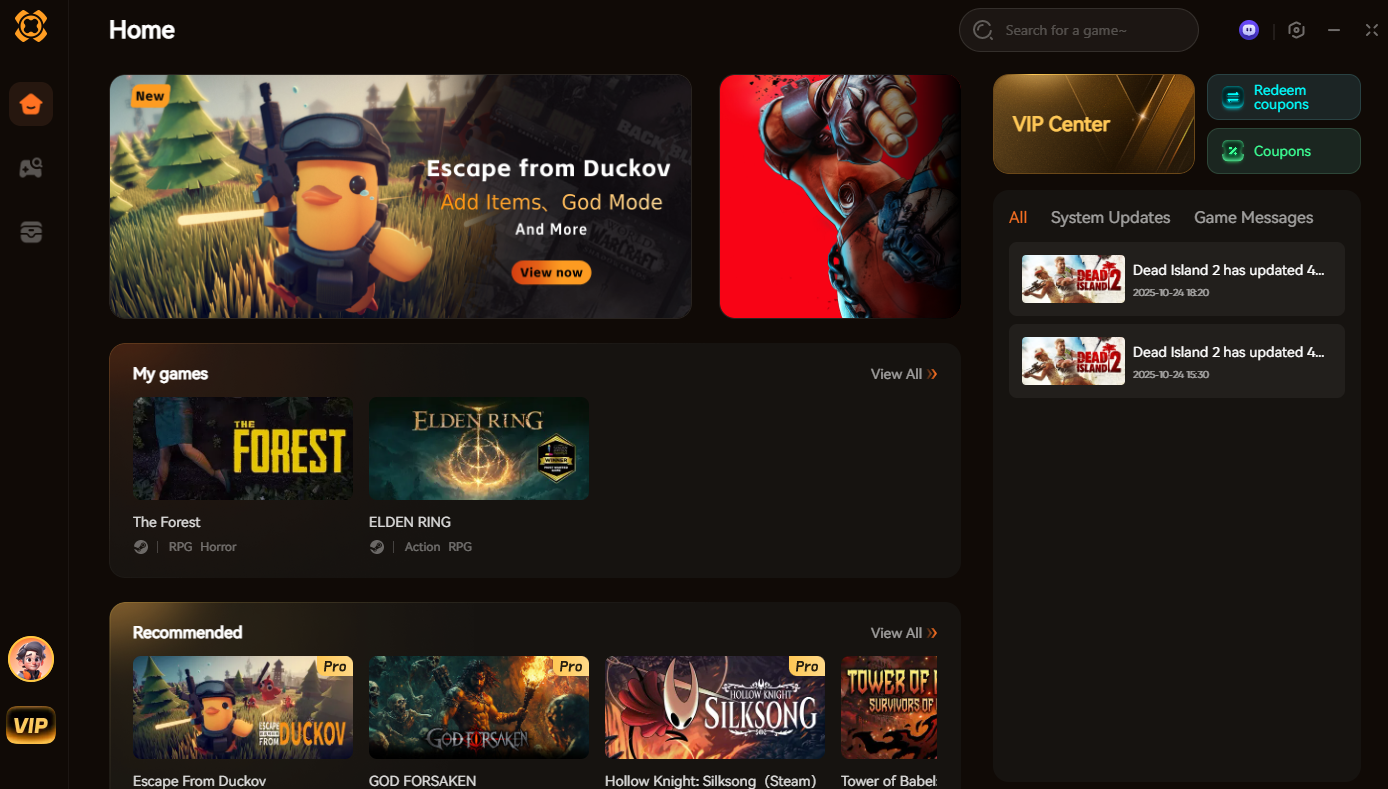
Let’s be brutally honest: the Medic: Pacific War Arena Mode Strategy: Survive Endless Waves is exhausting. The game’s commitment to hyper-realism means that a single mistake after 45 minutes of flawless triage can ruin your entire run. The constant anxiety of managing dwindling morphine supplies, combined with the incredibly punishing stamina drain when dragging 200-pound soldiers through the mud, can turn a gaming session into a stressful second job. If you want to experience the cinematic thrill of saving your squad without the hair-pulling frustration of the resource grind, XMODhub is your ultimate solution.
With XMODhub, you can tailor the realism to your exact preferences. Tired of running out of bandages on Wave 12? Toggle the Infinite Medical Supplies feature and never worry about the supply economy again. Frustrated by the sluggish movement speed when carrying wounded allies? Activate Infinite Stamina to effortlessly sprint your squadmates to safety. You can even enable God Mode (Ignore Stray Bullets) so you can focus entirely on the immersive triage and healing mechanics without being randomly one-shot by an off-screen sniper.
Follow these 3 simple steps to fix this instantly:
Frequently Asked Questions
A: Wave 10 introduces heavy mortar bombardments and flamethrower enemy units. The flamethrower units cause severe burn casualties, which require entirely different medical supplies (burn dressings and excessive morphine) compared to standard bullet wounds. If you have not hoarded burn supplies from earlier wave drops, Wave 10 will easily wipe out your Platoon Morale.
A: In Medic: Pacific War, a Red Tag (Immediate) patient has approximately 60 to 90 seconds before they expire, depending on where they were hit. However, this timer accelerates if they are left in the open under suppression fire, as panic increases heart rate, which increases blood loss. Applying a quick pressure bandage pauses this timer for about 30 seconds, giving you time to drag them to cover.
A: Always prioritize Supply Drops containing Tourniquets and Morphine up until Wave 15. Morale Boosts are a trap for beginners. If you are doing your triage correctly and letting Black Tag patients go while saving the Red and Yellow tags, your morale will naturally stabilize. You cannot heal soldiers with morale; you need hard medical supplies.
A: Yes, but it is highly risky. The dynamic spawn system in Medic: Pacific War Arena Mode means enemy units can push into the arena from the flanks. If you are caught in an enemy trench with a wounded soldier, you have zero offensive capabilities to defend yourself. Always try to pull back to the designated friendly zones.
Conclusion
Surviving the endless waves in Medic: Pacific War is one of the most unique and harrowing experiences in modern PC gaming. It strips away the power fantasy of a traditional shooter and replaces it with the gritty, desperate reality of a combat medic. By mastering the START triage system, strictly managing your morphine and tourniquet economy, and utilizing the “Triage Trench” relay method, you can consistently push deep into the later waves and secure your spot on the leaderboards. Remember, hesitation is your worst enemy; make your triage decisions quickly and stick to them.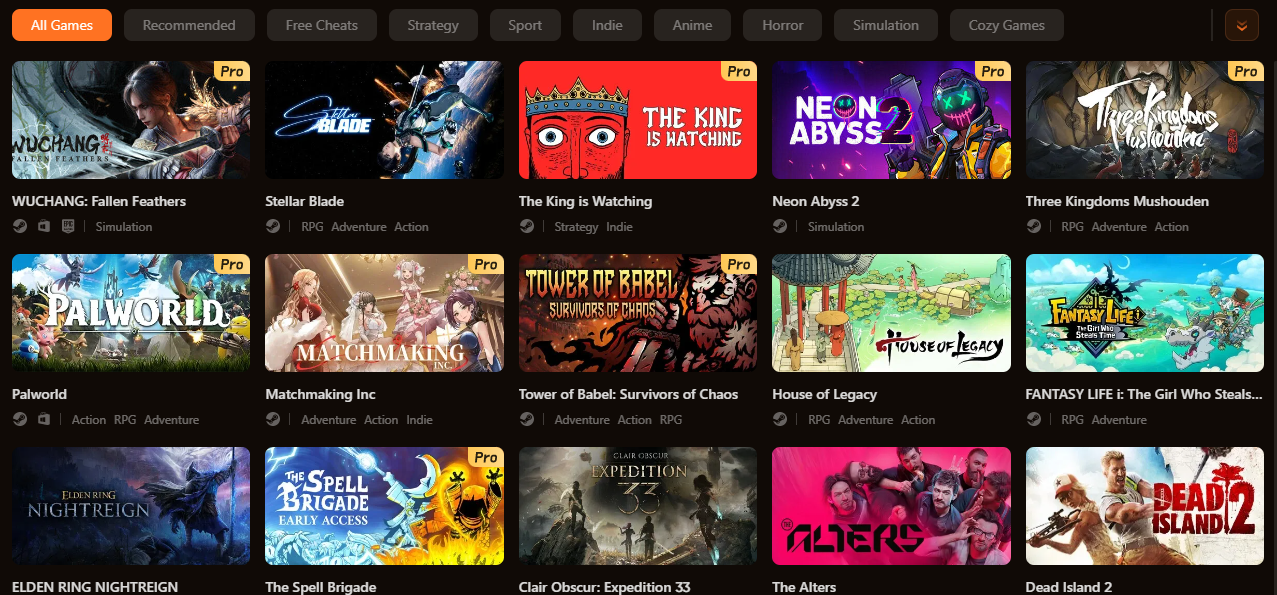
However, if the grueling realism and punishing stamina mechanics are keeping you from enjoying the core atmosphere of the game, you do not have to suffer through the grind. XMODhub offers the perfect balance, allowing you to bypass the frustrating resource limitations while still enjoying the intense medical gameplay. With support for over 5,000 titles—including other hardcore realistic shooters like War Hospital and Hearts of Iron Ⅳ—XMODhub is the ultimate tool for gamers who want to respect their own time.

I am a passionate gamer and writer at XMODhub, dedicated to bringing you the latest gaming news, tips, and insights.
Connect with me:
LinkedIn Profile ↗


 Nancy Miller