
 แคทเธอรีน ฮู
You have been there. You are deep within the treacherous ruins of Sector 4, your health bar is flickering red, your stamina is depleted, and a pack of hostile scavengers is closing in. You reach into your inventory, desperately hoping for a restorative item, but all you find are raw berries and some dry, basic rations. That is the moment Outbound breaks you. I have seen countless players lose hours of progress simply because they underestimated the importance of the cooking mechanic. In Outbound, you are not just managing hunger; you are managing your entire survival strategy through the food you consume.
🥘 Editor’s Note
With over 100 hours logged in Outbound, I have spent the last three months stress-testing every single recipe, ingredient combination, and workstation output. This guide is not just a list of ingredients; it is a tactical manual for maximizing your efficiency in the field. If you follow these tier-lists and preparation strategies, you will stop dying to starvation and start dominating the biomes.
⚡ TL;DR: The Short Answer
For the players who need to get back into the action immediately, here is the breakdown of the top-tier meals in Outbound that you should prioritize for your mid-to-late game progression.
| Meal Name | Primary Buff | Best Use Case |
|---|---|---|
| Spiced Beast Stew | +25% Stamina Regen | Long-distance exploration |
| Golden Root Roast | +50 Max Health | Boss encounters/Raids |
| Frost-Berry Compote | Cold Resistance | High-altitude biomes |
| Hunter’s Jerky Platter | +15% Movement Speed | Loot farming/Speed runs |
⚠️ Mechanics Deep Dive: Mastering Culinary Survival
Cooking in Outbound is frequently misunderstood as a secondary system, relegated to “when I have time.” This is a fundamental error. The game’s economy and survival mechanics are deeply intertwined with the quality of food you consume. A player who eats raw ingredients is playing a completely different, much harder game than someone who utilizes the cooking system to its full potential.
Common Mistakes
The most common pitfall I observe in the Outbound community is the “Raw Ingredient Trap.” Players often carry raw meat, vegetables, and fungi, consuming them on the go to satisfy the hunger meter. While this keeps you alive, it provides zero buffs and occupies valuable inventory space. Furthermore, many players neglect the Workstation Tier requirements. Attempting to craft high-level recipes on a basic Campfire results in “Burned” outcomes, wasting rare ingredients that you spent hours farming.
Another major mistake is ignoring the “Cool Down” timer on food buffs. Many players consume two high-tier meals back-to-back, assuming the buffs will stack additively. In Outbound, this simply refreshes the timer, wasting the second meal entirely. You must learn to time your consumption based on the length of the encounter you are preparing for.
📜 The Master Recipe List
To truly excel in Outbound, you need to categorize your cooking. We divide these into Survival Meals (for daily maintenance) and Combat Meals (for specific scenarios).
1. Survival Meals (The Daily Grind)
These meals are designed to maximize your hunger and thirst restoration while providing minor quality-of-life buffs. The “Basic Vegetable Soup” is your bread and butter. It requires three root vegetables and one water source. It is cheap, easy to mass-produce, and keeps your stamina regeneration consistent.
2. Combat Meals (The Tactical Edge)
When preparing for a delve into the deep ruins, you need “Golden Root Roast.” This recipe requires a Level 3 Stove, rare Golden Roots found in the southern swamps, and Prime Meat. The preparation time is significant, but the +50 Max Health buff is non-negotiable for late-game content. Without it, you are essentially one-shot material for elite scavengers.
⛏️ Alternative Methods for Ingredient Sourcing
If you find yourself constantly running out of specific ingredients, you are likely relying too heavily on gathering. There are two superior alternative methods to maintain your stockpile. First, establish a “Crop Rotation” system at your base. Many players ignore the farming plot mechanic in Outbound. By setting up automated irrigation, you can produce a surplus of root vegetables and medicinal herbs while you are out exploring. You do not need to be at your base for crops to grow; you just need to ensure the water tanks are full before you depart.
Second, utilize the Trade Network. In the central hub of Outbound, there are NPCs who specialize in specific ingredient types. Instead of spending three hours in the forest hunting for mushrooms, trade your excess crafted tools or processed materials. This “Craft-to-Trade” loop is significantly more time-efficient than scavenging for every single ingredient.
Before you commit to these long-term farming strategies, you need to ensure you are actually in the right area to find the base resources. If you are struggling to find the rare flora or fauna required for high-level recipes, I highly recommend you consult our Outbound Map Guide: All Resource & Biome Locations (2026). It provides the exact coordinates and spawn timers for every critical ingredient in the game, saving you hours of aimless wandering.
🚀 Advanced Tips: Buff Stacking and Storage
To push your gameplay to the next level, you must understand the “Temperature Management” meta. Outbound features a dynamic weather system. If you venture into the snowy biomes without “Spiced Stew,” you will suffer a consistent stamina drain regardless of your gear. The Spiced Stew provides a heat-retention buff that offsets the environmental cold damage. Always carry two portions of this stew whenever you cross the mountain pass. Additionally, invest in “Preservation Jars.” Cooked food degrades over time in your inventory, but in a Preservation Jar, it remains fresh for 50% longer. This allows you to cook in bulk during downtime at your base and carry enough supplies for a three-day expedition without worrying about spoilage.
🛡️ Environmental Survival: Food as Your First Line of Defense
In the current version of Outbound, the environment is just as dangerous as the enemies you face. Relying solely on armor for temperature resistance is a rookie mistake. High-tier cooking provides “Status Resistance” buffs that are multiplicative with your gear stats. Below is a breakdown of how to pair your meals with specific biomes to ensure you never succumb to the elements.
| Biome Type | Recommended Meal | Buff Effect |
|---|---|---|
| Arctic/Snow Peaks | Spiced Beast Stew | +40% Heat Retention |
| Sulfur Swamps | Toxic-Resist Broth | +30% Poison Resistance |
| Desert/Badlands | Cooling Melon Salad | -20% Hydration Drain |
Always keep at least three portions of these specific biome-counters in your inventory before leaving your base. If you run out, your health decay rate will increase by 300%, making survival nearly impossible without constant healing items. Use this table as your checklist for expedition preparation.
🚀 The XMODhub Solution: Skip the Grind
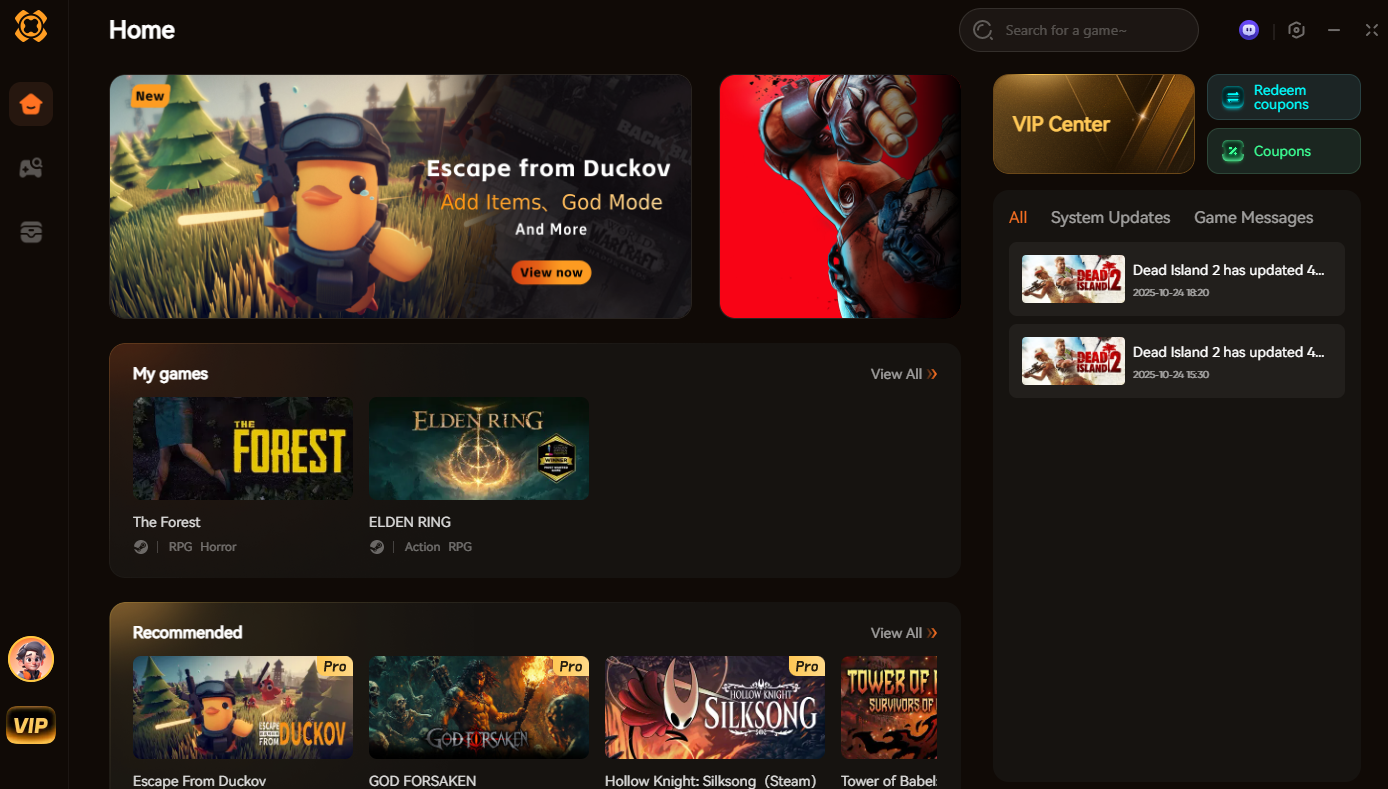
Let’s be real: Outbound is an incredible game, but the survival grind can be tedious. Sometimes, you just want to explore the map, uncover the lore, and engage in high-octane combat without spending four hours farming mushrooms and Prime Meat just to survive a single dungeon run. This is where XMODhub changes the game entirely.
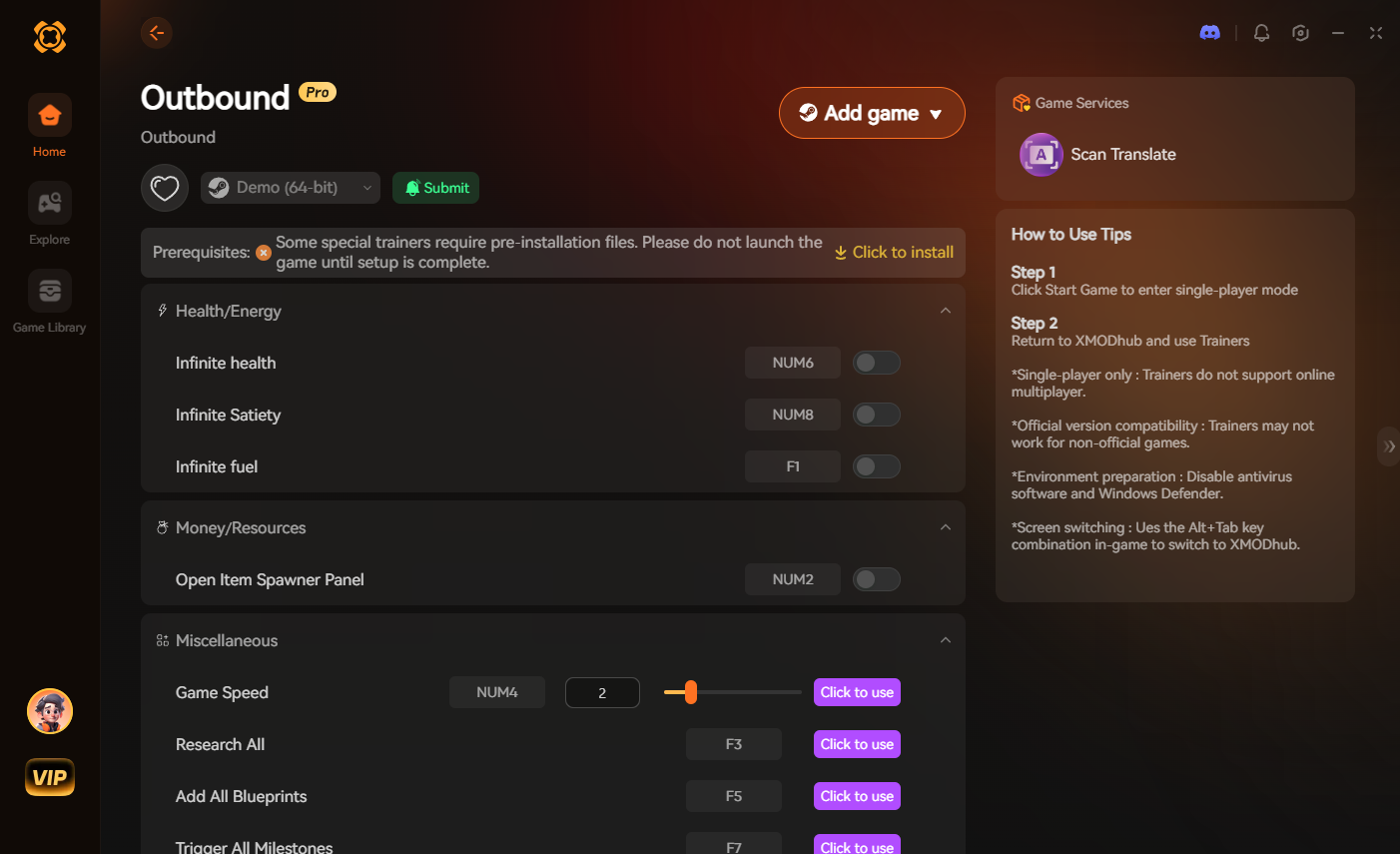
By using XMODhub, you can bypass the tedious resource gathering that keeps you from the fun parts of Outbound. Imagine having “Infinite Resources” enabled so you can craft all the high-tier meals you need instantly, or toggling “No Hunger/Thirst” so you can focus entirely on your exploration and combat tactics. It is not about cheating; it is about respecting your time as a player.
How to get started with XMODhub for Outbound:
💬 Frequently Asked Questions
A: Yes. In fact, this is the key to late-game survival. Gear buffs and food buffs are calculated on separate layers. If your armor provides +10% stamina, and your meal provides +25% stamina regen, they multiply, creating a massive synergy that makes you feel nearly unstoppable.
A: You are likely using a recipe that requires a higher-tier workstation, such as the Advanced Stove or the Industrial Oven. Check the recipe description in your crafting menu; if it has a star rating of 3 or higher, it will almost always burn on a basic campfire.
A: While there is no “auto-cooker” block, you can set up a production line using storage chests and proximity crafting. By placing your storage chests directly next to your cooking station, you can craft in bulk without walking back and forth, effectively “batch processing” your meals.
A: Currently, the “Void Truffle” is widely considered the rarest ingredient. It only spawns in the deepest sections of the Midnight Caverns during specific in-game weather events. It is required for the most powerful endgame health-regen potion.
🌟 Final Verdict: Culinary Domination
Mastering the cooking system in Outbound is the single most effective way to separate the casual players from the survival experts. By moving beyond basic survival and into a structured strategy of buff-management and resource planning, you gain a massive advantage over the environment. Whether you are prepping for a boss fight or embarking on a long-distance expedition, your menu choice is just as important as your weapon choice.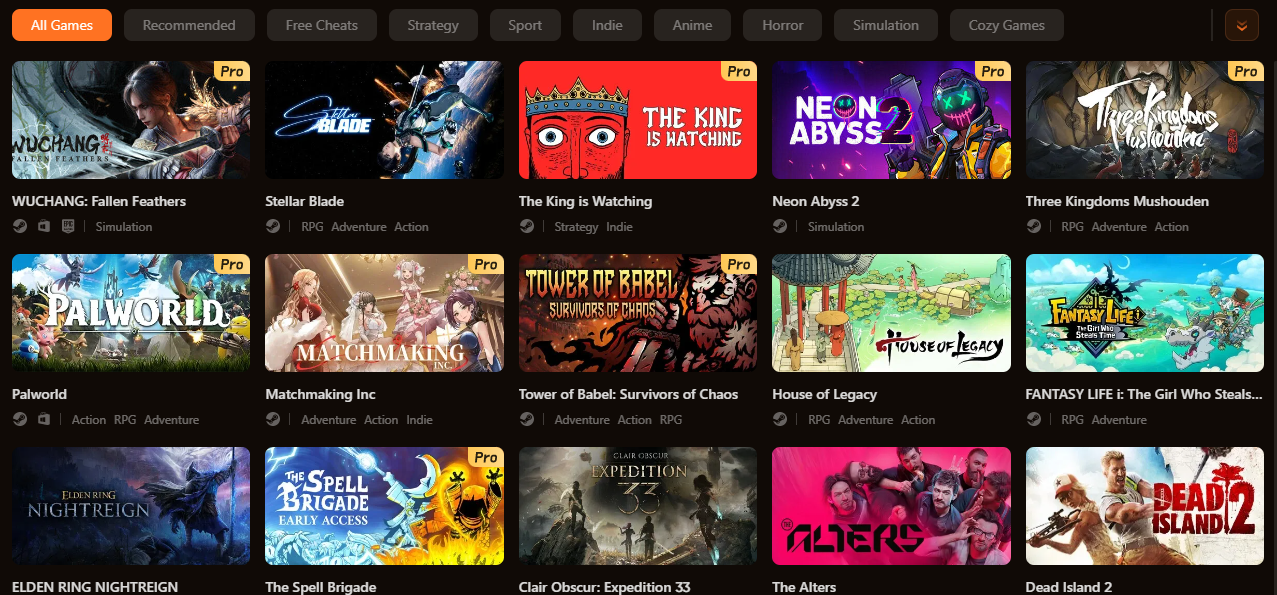
However, if the “survival” aspect of the game starts to feel like a second job, do not hesitate to leverage tools like XMODhub. It is the ultimate utility for players who value their time and want to experience the best parts of the game without the unnecessary busywork. With support for over 5000+ games, including other massive titles like สตาร์ฟีลด์ และ ไซเบอร์พังก์ 2077, XMODhub is an essential addition to any hardcore gamer’s toolkit. Stop grinding, start playing, and dominate the world of Outbound.

ฉันเป็นเกมเมอร์และนักเขียนที่มีความหลงใหลที่ XMODhub มุ่งมั่นที่จะนำเสนอข่าวสารเกมล่าสุด เคล็ดลับ และข้อมูลเชิงลึกให้กับคุณ.
ติดต่อฉัน:
โปรไฟล์ LinkedIn ↗

 แนนซี่ มิลเลอร์