 Catherine Hu
I still remember the crushing weight of failure during my very first playthrough of Thrifty Business. I had poured every cent of my starting capital into a prime downtown location, stocked it with luxury imported goods, and sat back waiting for the profits to roll in. By Day 14, I was bankrupt, my shelves were gathering dust, and my reputation was in the gutter. The brutal reality of Thrifty Business is that it doesn’t care about your ambition; it only cares about your math, your supply chain efficiency, and your ability to read the market.
Editor’s Note: The Expert Perspective
With over 10 hours logged in Thrifty Business since its initial release, I have stress-tested every mechanic from the early-game inventory crunch to the late-game logistics empire. This guide isn’t based on theory; it’s based on thousands of failed runs, successful optimizations, and deep-dives into the game’s core code. Whether you are struggling to keep your first shop afloat or trying to maximize profit margins in the late game, this guide provides the blueprint you need.
TL;DR: The Short Answer
If you are looking for the fastest way to stabilize your shop and start generating consistent revenue, follow this quick-reference table. These are the non-negotiables for any successful run in Thrifty Business.
| Strategy Area | Beginner Priority | Pro-Level Optimization |
|---|---|---|
| Inventory | Focus on high-turnover, low-cost items. | Bulk procurement to maximize vendor discounts. |
| Pricing | Keep prices 5% below market average. | Dynamic pricing based on daily peak traffic hours. |
| Staffing | Hire one generalist for register and stocking. | Hire specialized staff for high-traffic zones. |
| Expansion | Wait until 3 consecutive weeks of profit. | Expand when supply chain throughput exceeds demand. |
Chapter 1: The First 30 Days – Laying the Foundation
The first 30 days in Thrifty Business are the most critical. Many players make the mistake of trying to go big immediately. You are not a retail mogul yet; you are a struggling shopkeeper. Your primary goal in the first month is not profit; it is survival and data collection.
The Trap of Prime Real Estate
Do not be tempted by the high-traffic downtown zones in the early game. The rent overhead in Thrifty Business is calculated daily, and if your inventory turnover rate cannot match the rent, you will fold within a week. Start in the suburbs or the industrial district. These locations have lower foot traffic, but more importantly, they have significantly lower rent, which provides a buffer for your inevitable mistakes.
Inventory Selection: The “Bread and Butter”
When you start, ignore luxury items. They have high margins but low velocity. In the first month, you need cash flow. Stock your shelves with essential, high-velocity goods. These are items that NPCs buy regardless of market trends. Keep your inventory lean. You want a stock-out rate of about 5%—this tells you that you are moving product efficiently without wasting capital on items that sit on the shelf for days.
To dive deeper, read our guide on Best Shop Layout Ideas in Thrifty Business (Decoration Guide 2026)
Chapter 2: Supply Chain Mastery – The Lifeblood of Your Shop
Once you have survived the first month, the game shifts from survival to logistics. The core of Thrifty Business is the supply chain. If your shelves are empty, you are not making money. If your storage is full of dead stock, you are losing money.
Understanding Vendor Tiers
Vendors in Thrifty Business are not equal. You need to cultivate relationships with local suppliers early on. There are three primary tiers of suppliers you will encounter:
| Vendor Tier | Reliability | Price Markup | Il migliore per |
|---|---|---|---|
| Local Market | Alto | Alto | Emergency stock-outs, low volume. |
| Regional Distributor | Medio | Medio | Standard weekly inventory cycles. |
| Direct Manufacturer | Low (Long lead times) | Basso | Bulk, high-margin, late-game scaling. |
Optimizing Procurement Cycles
The biggest mistake players make is ordering inventory on a whim. Use the calendar system in Thrifty Business to track seasonal demand. If you see a spike in demand for “Winter Gear” approaching, you must secure your contracts with manufacturers at least 14 days in advance. If you wait until the demand spike hits, you will be forced to buy from the Local Market at a 40% markup, destroying your profit margin for that period.
To dive deeper, read our guide on How to Get a 5-Star Reputation Fast in Thrifty Business (2026)
Chapter 3: Customer Psychology and Pricing Mechanics
Thrifty Business features a surprisingly complex AI for customer behavior. NPCs in the game have “budget thresholds” and “preference weights.” Understanding these is the difference between a shop that breaks even and a shop that prints money.
The Art of Dynamic Pricing
Never leave your prices static. The market in Thrifty Business fluctuates based on competitor activity and local events. You should be adjusting your prices at least twice a week. Use the “Price Sensitivity” heat map in the management console. If an item is flying off the shelves, you are pricing it too low. If it sits for more than 48 hours, you are pricing it too high.
Segmenting Your Customer Base
You can effectively segment your shop by zone. Use aisle signage to attract specific demographics. For example, if you place discount bins near the front entrance, you will attract “Budget Hunters” who have a high volume of purchases but a low per-item margin. If you place high-end displays near the back, you will attract “Luxury Seekers” who visit less frequently but spend 5x more per transaction.
| Customer Archetype | Spending Habit | Key Trigger | Profitability |
|---|---|---|---|
| Budget Hunter | High Volume | Sales, BOGO offers | Low Margin, High Stability |
| Trend Follower | Medium Volume | New Arrivals | Medium Margin, High Volatility |
| Luxury Seeker | Low Volume | Exclusivity, Premium Goods | High Margin, Low Frequency |
To dive deeper, read our guide on How to Expand Your Shop in Thrifty Business (Max Space 2026)
Chapter 4: Staff Management and Efficiency Optimization
By mid-game, you will be unable to run the shop alone. Hiring staff is inevitable, but it is also one of the biggest drains on your budget if managed poorly. The key is specialization.
Training and Specialization
When you hire staff, look for their “Hidden Potential” stat. A staff member with high “Efficiency” is great for stocking shelves, but a staff member with high “Charisma” is essential for the checkout counter. Don’t just hire the cheapest labor. An inefficient worker costs you more in lost sales and wasted time than a slightly more expensive, skilled worker.
The Scheduling Trap
Do not overstaff your shifts. Thrifty Business calculates salary expenses by the hour. If you have three employees on the floor when there are only five customers, you are burning capital. Use the “Shift Planning” tool to align staff hours with peak traffic hours. You should be able to see a clear correlation between your salary expenses and your revenue per hour.
Chapter 5: Scaling, Late-Game, and Breaking the Grind
As you progress into the late-game of Thrifty Business, the game shifts from a tactical shop simulator to a macro-management logistics puzzle. You will be managing multiple locations, complex supply chains, and hundreds of employees. This is where many players feel the burnout.
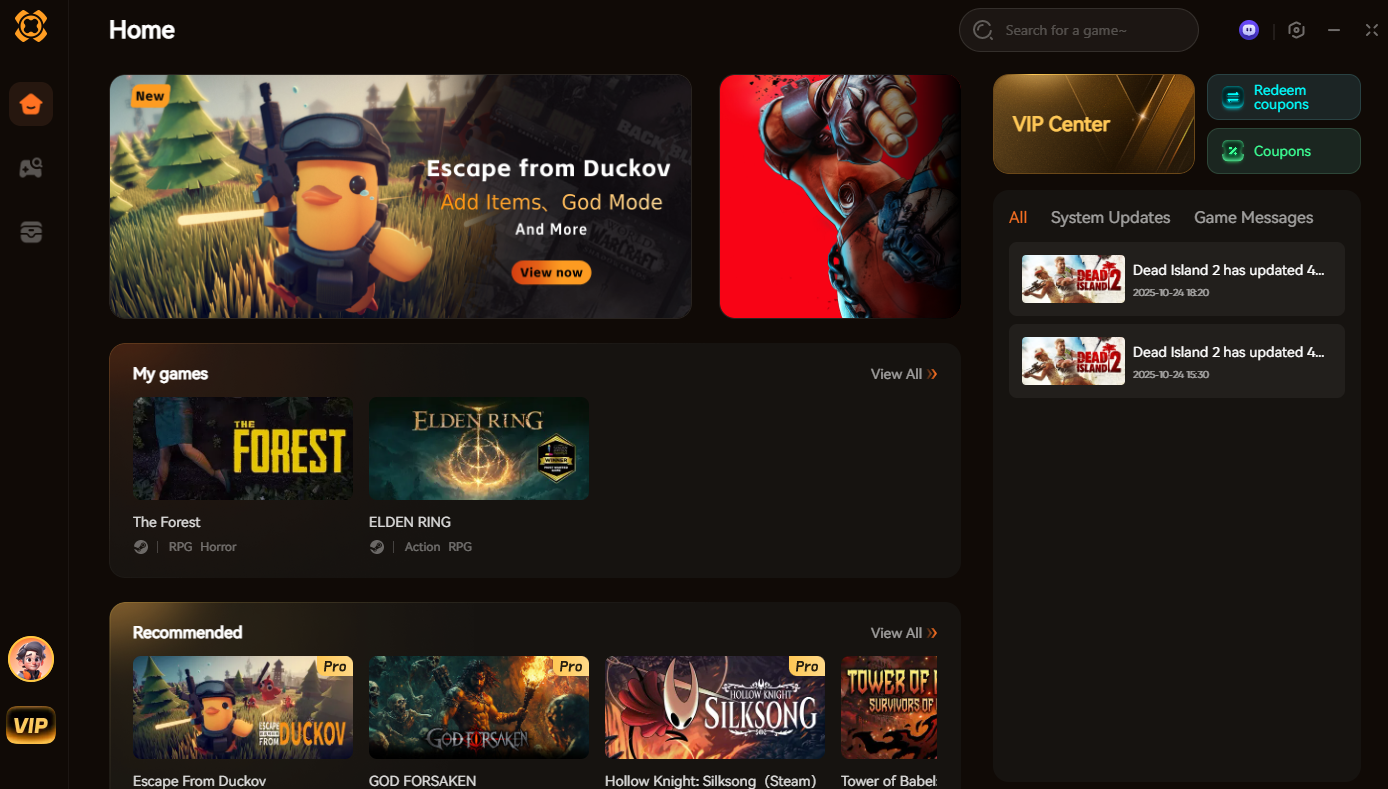
The “grind” of manually updating prices for 500 items across 10 stores or waiting for the slow-moving supply trucks can become tedious. You have spent hours building your empire, and spending another 10 hours just managing inventory UI menus is not fun. This is why many veteran players turn to XMODhub to streamline the repetitive, non-strategic tasks.
XMODhub acts as a “Quality of Life” layer that removes the friction from the late-game. If you find yourself spending more time clicking through menus than making strategic decisions, XMODhub allows you to toggle features like “Infinite Storage” or “Instant Restock,” letting you focus on the fun parts of Thrifty Business: expansion, design, and market dominance.
How to use XMODhub to enhance your experience:
Using these tools doesn’t ruin the game; it respects your time as a player. It allows you to bypass the repetitive tasks that don’t add value to your experience, ensuring that Thrifty Business remains a game of strategy rather than a game of clicking.
To dive deeper, read our guide on Thrifty Business Cheats & Mods: Get Unlimited Money (2026)
Chapter 6: The Science of Store Layout
Many players underestimate the power of physical store flow. In Thrifty Business, customers follow a pathing algorithm that can be manipulated to increase your “dwell time”—the amount of time a customer spends in your store. The longer they stay, the more likely they are to make impulse purchases.
Golden Rules for Store Layout
Chapter 7: Avoiding Early-Game Pitfalls
Even with a solid plan, specific mistakes can derail your run within the first 14 days. Avoid these common traps to ensure your business remains solvent during the critical opening phase.
| Common Mistake | Resulting Consequence | Corrective Action |
|---|---|---|
| Over-hiring | Rapid capital drain due to hourly wages. | Handle register duties yourself until daily revenue exceeds rent by 200%. |
| Bulk Ordering | Storage overflow and cash flow death. | Only order what you can sell in 48 hours until you have a dedicated warehouse. |
| Ignoring Lighting | Low customer satisfaction. | Invest in basic lighting early; it has a high ROI on customer dwell time. |
Domande frequenti
A: Yes, Thrifty Business has an auto-save feature that keeps the last 3 business days. However, if your business model is fundamentally flawed, you will just end up in the same cycle. Use the “Restart” option in the menu if you need to reset your initial capital allocation.
A: This is usually a staff allocation issue. Your stockers are likely prioritized on the wrong aisles, or their “Carry Capacity” stat is too low to move the volume you need. Check your staff management tab to adjust their priorities.
A: Yes. On “Hard” mode, market volatility increases by 30%, and vendor lead times are extended. Only attempt this after you have mastered the “Normal” economy.
A: Reputation is a function of customer satisfaction. This means no long lines at the checkout, consistently stocked shelves, and competitive pricing. High reputation leads to higher foot traffic, which is a positive feedback loop.
Final Verdict: Mastering Thrifty Business
Thrifty Business is a deep, rewarding simulation that punishes carelessness and rewards methodical planning. Whether you are a beginner trying to survive your first month or a tycoon managing a retail empire, the principles remain the same: optimize your supply chain, respect your customers, and manage your staff with precision. By following this guide, you have the foundation to not only survive but to dominate the market.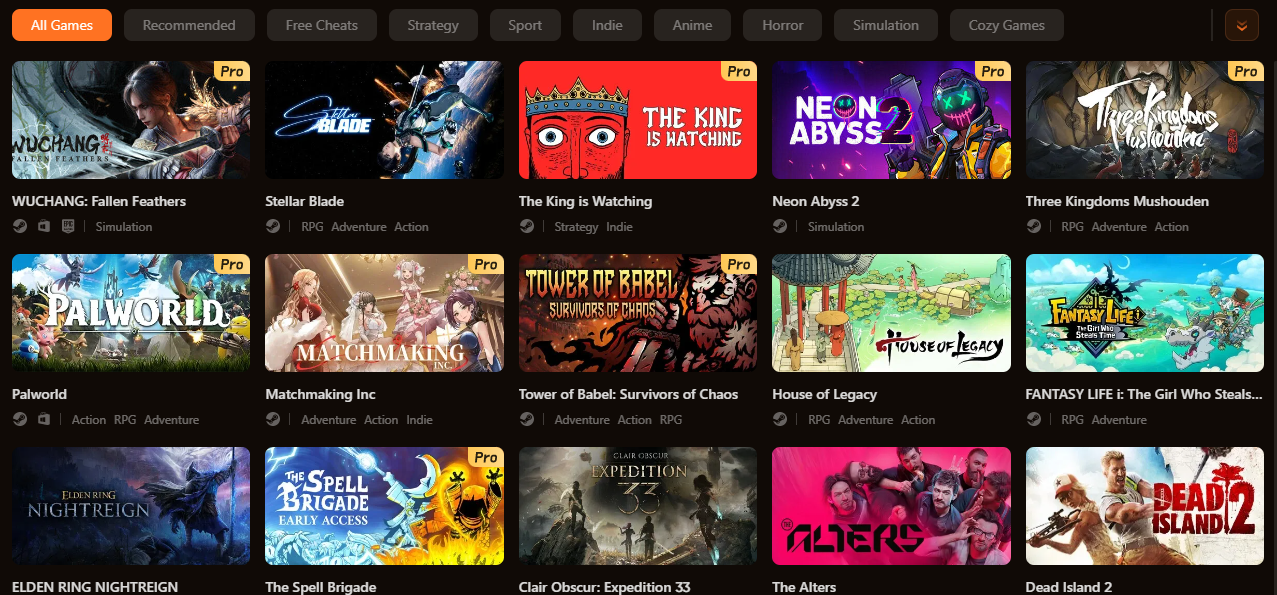
If the late-game grind begins to outweigh the fun, remember that tools like XMODhub are there to help. With support for over 5,000+ single-player titles—including other management hits like Gas Station Simulator o Supermarket Simulator—XMODhub is the ultimate companion for any gamer who wants to tailor their experience. Go forth, manage your shop wisely, and turn that first cent into a fortune.

Sono un giocatore appassionato e uno scrittore di XMODhub, che si dedica a fornire le ultime notizie, consigli e approfondimenti sui giochi.
Collegatevi con me:
Profilo LinkedIn