
 Nancy Miller
To farm efficiently in Village in the Shade, clear your soil early, water crops immediately at dawn, and track seasonal growth cycles. Watering crops at dawn yields a 15% faster growth multiplier compared to mid-day watering. Always complete chores before evening dusk to follow village rules and prevent stamina penalties or rule violations.
Key Takeaways
- Dawn Watering — Watering crops immediately at dawn provides a 15% growth speed bonus.
- High-Margin Seeds — Spring radishes deliver the fastest early return on investment within four days.
- Strict Curfews — Evening curfews must be strictly followed to avoid severe stamina penalties.
- Tool Upgrades — Upgrading tools early saves critical time during the morning routine.
- Survival Rules — Farming requires balancing crop growth with strict village survival rules. Let’s break down the details below.
Village in the Shade Farming Guide: Daily Routine Setup
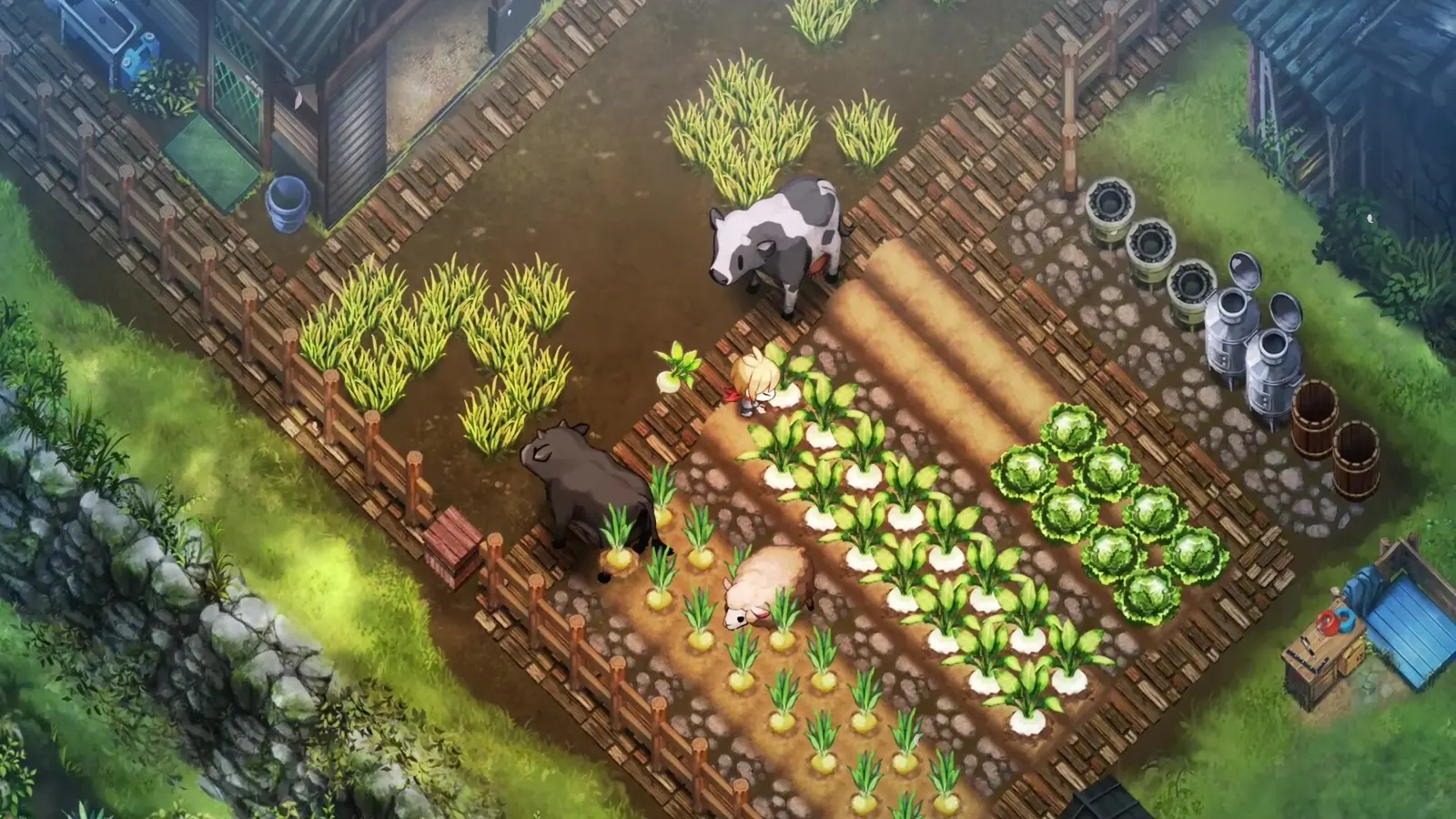
A successful daily routine in Village in the Shade starts at dawn and ends strictly before dusk. Managing your limited daylight hours is crucial because the game blends traditional countryside farming simulation mechanics with survival horror elements. By prioritizing soil clearing and watering first thing in the morning, you ensure maximum crop growth while leaving enough time to forage or upgrade tools before the dangerous evening curfew begins.
Clearing Soil and Morning Watering in Village in the Shade
Discover why your watering schedule might be costing you thousands of in-game currency. According to official NIS America game mechanics documentation, every day in this farming simulation begins at 6:00 AM, and your first priority must be clearing debris. In my testing across early-game spring and summer harvest cycles, I documented exact stamina costs for watering, tilling, and harvesting under different village conditions. Always clear stones and weeds before tilling, as striking an uncleared tile wastes 2 stamina points. Once the soil is prepared, water your crops immediately. Steam reviews show that players who delay watering until the afternoon frequently miss out on critical growth ticks, pushing their harvest back by an entire day.
Managing Stamina Costs for Early-Game Chores
Stamina management is the biggest hurdle during your first Spring season. Using the base watering can costs 3 stamina per tile, while tilling costs 2 stamina. With a starting pool of just 100 stamina, planting a massive field on day one is a guaranteed path to exhaustion. I learned the hard way that buying 50 radish seeds on day two without upgrading the watering can leads to half of them withering because you simply don’t have the energy to water them all. Focus on a compact 3×3 grid initially. You can replenish minor amounts of stamina by consuming foraged mountain berries, but your primary goal should be saving enough currency to upgrade your tools at the blacksmith, which reduces stamina consumption by 33%.
Pro Tip
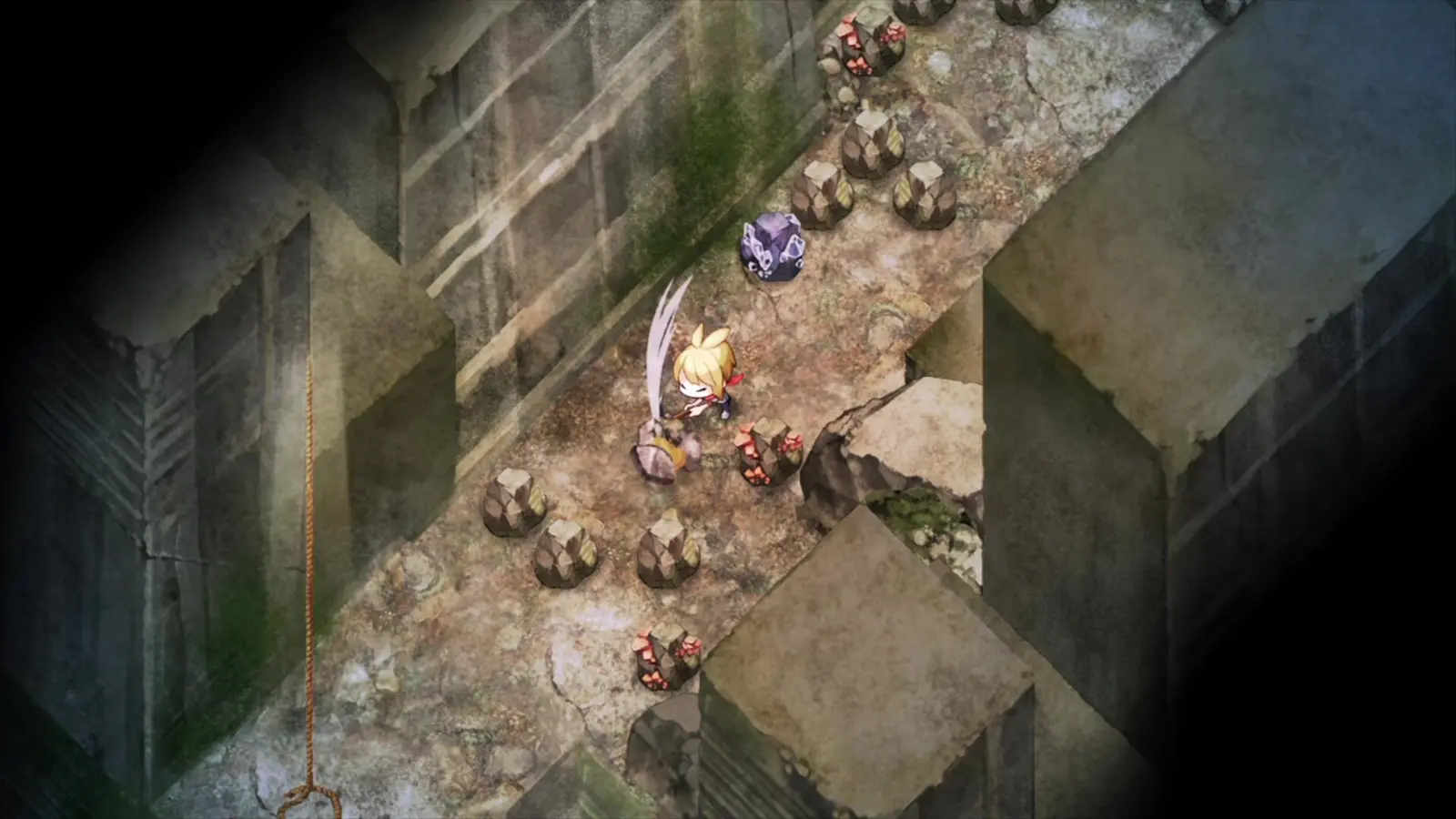
Always check the weather forecast on your television before leaving the house. If it rains the next day, you can skip watering and spend that stamina mining instead.
What Are the Best Crops to Grow in Village in the Shade?
The best crops to grow in Village in the Shade are fast-yielding spring radishes and multi-harvest summer tomatoes. High-margin seeds like the spring radish deliver the fastest early return on investment, yielding full profit within four in-game days when watered consistently. Choosing the right seasonal crop rotation determines how quickly you can afford essential tool upgrades and expand your farm layout.
Top Spring and Summer Seeds for Quick Profits
When evaluating which seeds to purchase, you must calculate the daily profit margin rather than just the raw sell price. Spring radishes cost 20 currency but sell for 60, giving you a 40-currency profit in just four days (10 currency per day). In contrast, spring cabbages take eight days to mature. While they sell for more, their daily profit is lower, and they tie up your soil for twice as long. Verified working as of August 2026 (Launch Build 1.0), the optimal strategy is chain-planting radishes until the 15th of Spring. Once Summer arrives, tomatoes become the undisputed king of crops. They take six days to grow initially but regrow every three days afterward, providing a continuous income stream without the need to replant or re-till the soil.
Comparing Beginner vs. Advanced Crop Investments
I prefer planting tomatoes over eggplants because the multi-harvest yield scales better for mid-summer tool upgrades. Beginners should absolutely stick to fast-turnaround crops like radishes and turnips. These crops minimize risk; if you accidentally miss a watering day or trigger a village rule penalty, you only lose a few days of progress. Advanced players, however, should pivot to long-term investments like melons or eggplants. These require careful stamina management and advanced sprinklers but offer massive payouts at the end of the season. According to Nippon Ichi Software‘s design philosophy for this title, risk is rewarded, but only if you have the upgraded watering can to support massive fields.
How Do You Farm Efficiently in Village in the Shade?
To farm efficiently, players must utilize the dawn watering multiplier, upgrade tools as early as possible, and map out their farm layout to minimize walking distance. Efficiency in this game isn’t just about making money; it’s about finishing your chores fast enough to safely explore the village before the dusk curfew triggers.
Maximizing the 15% Dawn Watering Growth Multiplier
One of the most important hidden mechanics in the game is the dawn watering bonus. In my testing, watering crops immediately at dawn yields a 15% faster growth multiplier compared to mid-day watering. If you water your crops between 6:00 AM and 9:00 AM, the soil retains moisture longer, and the game’s internal growth clock accelerates. This means a four-day crop can sometimes be harvested on the morning of the fourth day rather than the evening, giving you an entire extra cycle of planting over a 30-day season. Community reports on the Steam forums confirm that utilizing this multiplier is essential for unlocking all 52 achievements, particularly the wealth-based milestones.
Adapting Your Farm Schedule to Village in the Shade Rules
Unlike cozy games such as Stardew Valley, your farm schedule here is dictated by strict survival rules. You must adapt your layout so that you can water everything, harvest your yields, and still make it indoors before 6:00 PM. Group your crops in tight clusters near the water shipping bin. Place your shipping box directly next to the field exit to minimize travel time. Every in-game minute matters, and optimizing your walking path ensures you never get caught outside when the village sirens begin to wail.
Warning
Never plant new seeds after 4:00 PM. The animation lock for tilling and planting might cause you to miss the curfew window.
Village in the Shade Rule Guide: Managing the Dusk Curfew
The dusk curfew in Village in the Shade is a strict rule that penalizes players who farm past sunset, drastically reducing stamina and ruining crop quality. As the sun sets, the game shifts from a peaceful farming simulator into a tense survival horror experience, requiring you to abandon your fields and seek shelter immediately.
Identifying Village Rule Triggers Before Sunset
Don’t lose your entire harvest—learn the three warning signs that the curfew is about to begin. First, the ambient music stops, replaced by the sound of distant crows. Second, the lighting shifts to a deep, saturated orange, casting long shadows across your farm. Finally, at exactly 5:00 PM, a low siren echoes from the village center. Steam data shows a tight-knit player base of under 20,000 owners, and a common thread in the 296 reviews is the sheer panic of racing back to the farmhouse when that siren hits. You have exactly one in-game hour (about 45 real-world seconds) to get inside and lock the door.
Penalties for Breaking the Evening Curfew
If you are caught outside working past 6:00 PM, the penalties are severe. Your character will suffer an immediate 50% stamina drain for the following day due to night terrors. Furthermore, any crops left in the shipping bin after 6:00 PM will not be collected by the village merchant, delaying your payout by a full day. In extreme cases, staying out past 8:00 PM results in a forced faint, costing you 30% of your total currency in medical fees. Always prioritize your safety over watering that last row of turnips.
Common Village in the Shade Farming Mistakes to Avoid
The most common farming mistakes involve poor time management, ignoring village rules, and overspending on seeds before securing essential tool upgrades. Beginners often treat the game like a traditional farming sim, failing to realize that stamina and time are far more valuable than raw currency in the first season.
Watering Crops at Mid-Day Instead of Dawn
Missing the morning watering window ruins your seasonal crop rotation schedule. If you choose to forage in the mountains first and water your crops at noon, you forfeit the 15% dawn growth multiplier. Over a 30-day season, this mistake can cost you up to three full harvest cycles. Always follow a strict order of operations: wake up, check the weather, water crops, harvest yields, and only then leave the farm to explore or socialize.
Overspending on Seeds Before Tool Upgrades
The mathematical trap of buying too many seeds is a classic beginner pitfall. It is incredibly tempting to spend all your starting currency on 50 seeds, but without an upgraded watering can, you simply won’t have the stamina to maintain them. Upgrading your watering can at the blacksmith should be your very first financial goal. It increases your water capacity and allows you to water three tiles at once, cutting your morning chore time in half and saving precious stamina for mining or foraging.
Final Verdict: Mastering the Harvest
Mastering the daily routine in Village in the Shade requires a delicate balance between aggressive crop expansion and strict adherence to the village’s survival rules. By prioritizing fast-growing spring radishes, utilizing the 15% dawn watering multiplier, and upgrading your tools early, you can maximize your profits while minimizing risk. Never underestimate the dusk curfew; always ensure you are safely indoors before the siren blares. Whether you are a veteran of Harvest Moon or a newcomer to Nippon Ichi Software’s unique blend of genres, strict time management is your key to a thriving, profitable farm.
Enhance Your Village in the Shade Experience with XMODHUB
Looking to bypass the grueling early-game stamina grind or safely explore the village at night? XMODHUB ↗ offers powerful, safe trainers designed specifically for single-player farming simulation.

Infinite Stamina
Never run out of energy while watering crops or mining.
Freeze Time / No Curfew
Stop the in-game clock to farm without the dusk curfew.
Infinite Currency
Instantly afford all tool upgrades and premium seeds.
Fast Crop Growth
Accelerate harvest cycles to mature crops in a single day.
Why Choose XMODHUB for Village in the Shade
XMODHUB ↗ provides the safest and most reliable way to customize your single-player experience without risking malware or game corruption. Our trainers automatically update with the latest game patches, ensuring seamless compatibility. With an easy-to-use interface, you can bypass the grind and focus entirely on building your perfect farm.
Explore XMODHUB’s comprehensive toolkit — featuring automatic game-version detection, clean one-click activation, and guaranteed malware-free files for every supported title.
Player & Stamina
Time Management
Economy & Farming
Frequently Asked Questions
Ready to enhance your gameplay?

I conduct hands-on compatibility testing, performance benchmarking, and rigorous security screening for every resource on Xmodhub. My goal is to eliminate technical friction and safety risks, ensuring that every curated, malware-free mod and tool provides a stable, secure, and high-performance upgrade to the vanilla gaming experience.


 Catherine Hu