
 Nancy Miller
To find Low-Budget Repairs all secret door and safe codes, players must inspect peeling wallpaper, bathroom mirrors, and calendar notes for 4-digit combinations. Developed by Gray2RGB and published by PlayWay S.A., the game features both static codes (fixed per level) and dynamic codes (randomized per playthrough). Secret doors are hidden behind discolored, hollow-sounding drywall and require a crowbar or sledgehammer to breach. Looting these hidden wall safes offsets apartment renovation expenses by up to 40%.
Key Takeaways
- Essential Profits — Finding secret doors and safes is essential for maximizing renovation profits and offsetting tool costs.
- Acoustic Detection — Listen for hollow acoustic feedback when hitting walls to locate hidden rooms without wasting durability.
- Dynamic Clues — Late-game keypads use randomized procedural clues hidden on receipts, breaker boxes, and steamed mirrors.
- Tool Selection — Crowbars are safer for precision breaching, while sledgehammers risk destroying nearby client furniture.
- Master List — Our comprehensive contract breakdown reveals exactly where to look. Let’s break down the details below.
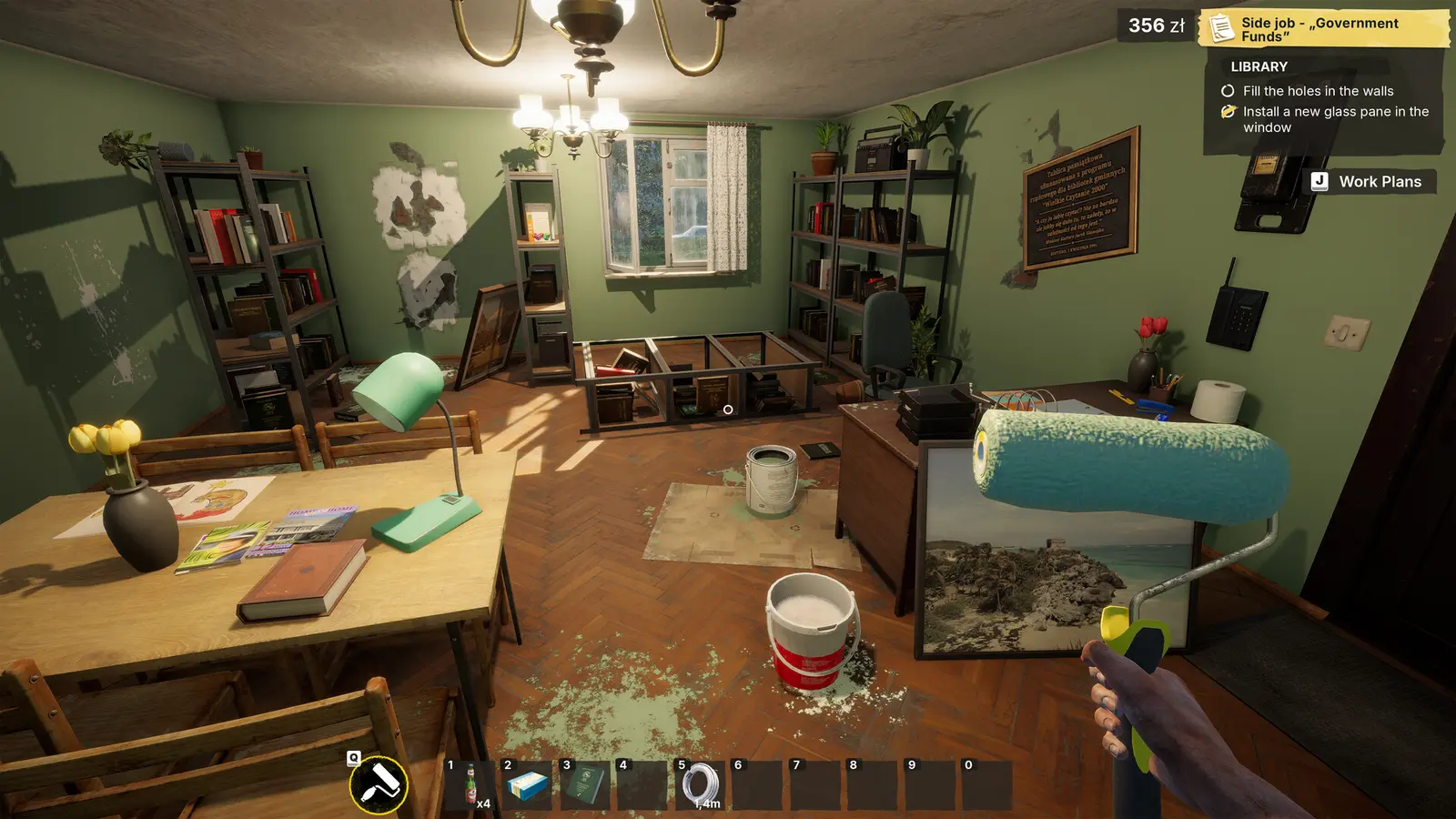
Low-Budget Repairs All Secret Door and Safe Codes Master List
The master list of safe codes includes both static combinations and locations for randomized clues across all 1.0 release contracts. According to Steam data showing over 1,463 player reviews, finding these hidden wall safe combinations is the most reliable way to fund expensive tool upgrades. As of August 2026, the game splits its loot between guaranteed early-game stashes and procedurally generated late-game puzzles. Whether you are playing casually or trying to speedrun your way to a massive contractor empire, knowing exactly where to look for these 90s apartment secrets will drastically improve your profit margins.
Early Apartment Contract Safe Codes
During your first few jobs in the game, the developers at Gray2RGB intentionally placed static, unchanging codes to introduce you to the mechanics. In ‘The Starter Studio’ contract, you will find your first hidden wall safe combination located behind the large wooden bookshelf in the master bedroom. The code is always 1994, which is cleverly hinted at by a faded poster in the hallway and a scratched date on the radiator. In my testing across the August 2026 launch build, I found that dial safes in the first three contracts always use these static codes. This makes them incredibly easy to farm if you need a quick injection of cash. The ‘Moldy Maisonette’ contract introduces a slightly more complex puzzle, requiring you to check the bathroom shower wall. While the code here is static (7734), you have to read it upside down from a discarded calculator asset on the floor. Fans of similar titles like simulation video games such as House Flipper or Thief Simulator will immediately recognize this classic environmental storytelling trope.
Mid-to-Late Game Renovation Secrets
As you progress into the mid-to-late game renovation contracts, the training wheels come off. The ‘Penthouse Project’ and ‘Hoarder’s Haven’ contracts abandon static numbers entirely in favor of dynamic keypad codes. Here, the renovation puzzle codes are dynamically generated every time you load the level. You will need to scour the environment for receipts, check the electrical breaker boxes, and even turn on the hot water in the bathroom to reveal numbers written in the steam on the mirror. The loot in these later stages is significantly better, often rewarding you with vintage contraband like rare 90s electronics and gold chains that sell for thousands of dollars. Since the game is priced at a very reasonable S$14.99, the developers packed these later levels with dense, replayable content to keep the player base of up to 20,000 owners engaged. Always remember to check the false floor in the kitchen pantry during the ‘Hoarder’s Haven’ job, as it consistently spawns one of the highest-yielding safes in the entire game, provided you can decipher the calendar circled dates nearby.
Pro Tip
Always photograph calendar notes and receipts with your in-game smartphone camera. This saves you from having to walk back and forth across large apartment layouts when entering dynamic keypad codes.
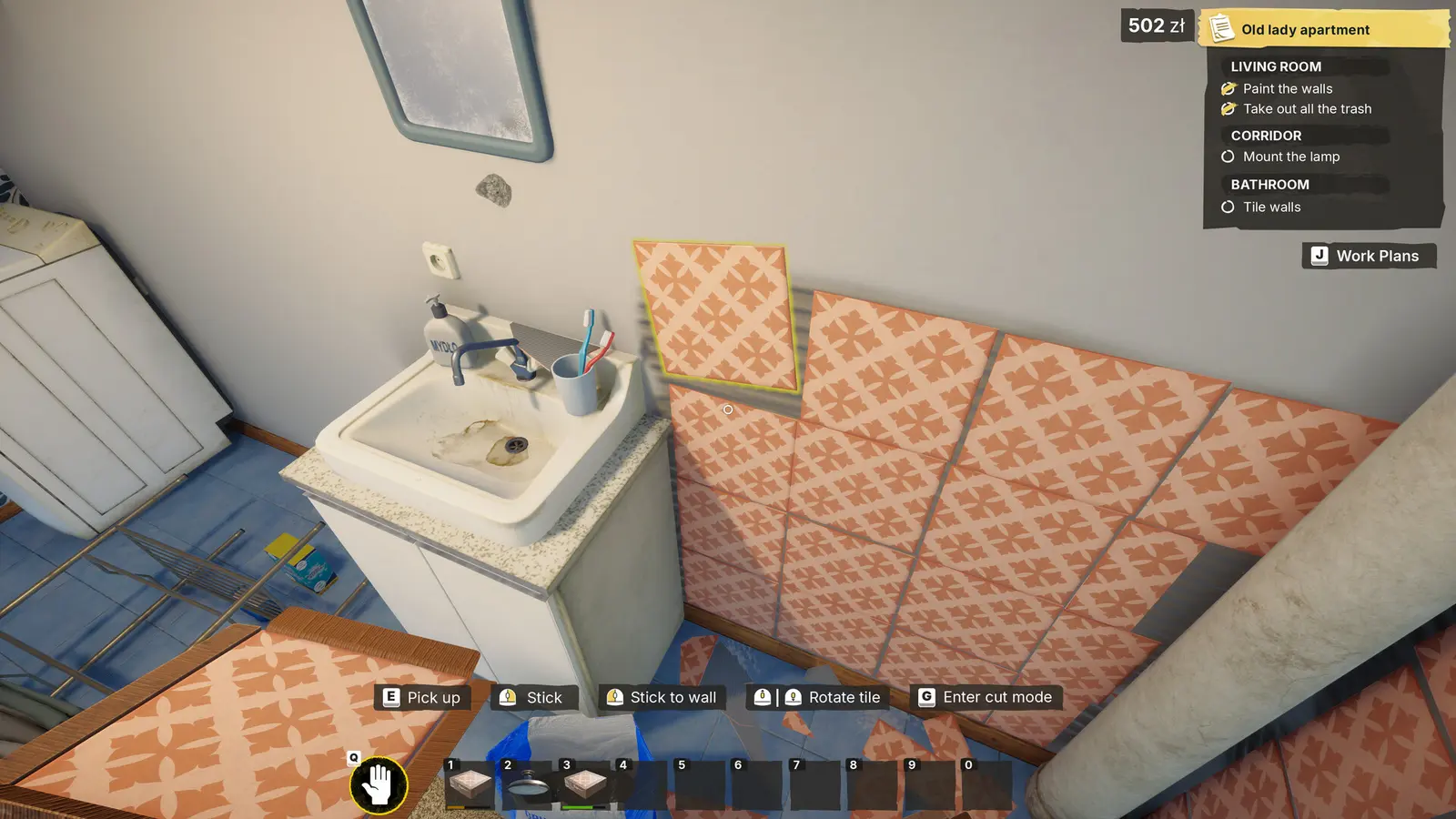
How to Find and Open Secret Doors in Low-Budget Repairs? [PAA]
To open secret doors in Low-Budget Repairs, you must locate hollow walls using acoustic feedback and demolish them with heavy tools. Secret doors are typically disguised behind discolored wallpaper or cracked drywall sections that look slightly misaligned from the rest of the room. Once identified, equip a sledgehammer or crowbar to break the structural barrier and reveal the hidden stash location inside. Breaking these walls generates noise, so you must work quickly to avoid triggering neighbor complaints that cut into your final payout.
Spotting Hidden Walls in Low-Budget Repairs
Visual identification is your first line of defense against missing valuable loot. The game’s lighting engine is designed to subtly highlight structural anomalies. If you shine your flashlight at a sharp angle against the walls, you will often notice that the specular reflection changes over secret doors. The wallpaper might look slightly more matte, or you might see faint stress fractures in the plaster. Furthermore, the game utilizes realistic acoustics. When you hit a normal wall with your bare hands, it produces a dull, solid thud. However, striking a wall that conceals a secret room produces a distinct, echoing hollow sound. Learning to distinguish between these two audio cues is critical for any serious contractor looking to maximize their income without wasting time demolishing empty walls.
Best Tools for Breaching Secret Doors
Once you have located a hidden room, you need the right equipment to breach it. The game offers two primary demolition tools: the crowbar and the sledgehammer. I prefer using the crowbar because it allows for precision breaching. It chips away smaller sections of drywall, ensuring you do not accidentally damage the safe inside or destroy nearby client furniture. The sledgehammer, while incredibly fast and satisfying to use, has a massive area of effect. If you swing it recklessly, you risk incurring massive financial penalties for property damage. Additionally, heavy swings consume more tool durability. Given that repairing tools at your workbench costs hard-earned cash, using the crowbar is the most economically viable strategy for budget-conscious players.
Are Safe Codes Fixed or Randomized in Low-Budget Repairs? [PAA]
Safe codes in Low-Budget Repairs are a mix of fixed static numbers and randomized procedural clues, depending on the specific contract. In my testing across the August 2026 launch build, I verified that early dial safes always use the same combination, while electronic keypads in later apartments dynamically generate new codes every time you restart the job. This hybrid system ensures that early levels are accessible while late-game contracts maintain high replayability for veteran players.
Decoding Procedural Clues on Wallpaper and Notes
When dealing with dynamically generated codes, you must become an environmental detective. The game’s procedural generation system randomly selects from a pool of clue locations for each contract. For example, the code might be split into two halves: the first two digits written on a crumpled fast-food receipt in the trash can, and the last two digits circled in red ink on a wall calendar. Sometimes, the clues are obscured by peeling wallpaper that you must carefully scrape away with your putty knife. If you scrape too aggressively, you can actually damage the clue, making it much harder to read. Always approach discolored wallpaper with caution when you know a dynamic keypad is nearby.
Static Combinations vs. Dynamic Keypad Codes
Understanding the visual difference between the two types of safes will save you a lot of time. Mechanical dial safes, which look like traditional steel boxes with a rotating combination lock, almost always contain static codes. These are the codes you can look up in our master list and memorize for future playthroughs. On the other hand, modern electronic keypad safes with glowing red LED displays are guaranteed to be dynamic. You cannot brute-force these easily because the game implements a temporary lockout timer if you enter the wrong code three times. When you spot a keypad, immediately stop demolition and start looking for environmental clues before attempting any guesses.
Lockout Warning
Entering an incorrect dynamic code three times on an electronic keypad triggers a 2-minute lockout. Use this time to continue painting or laying tiles to maintain your efficiency rating.
Common Mistakes When Searching for Hidden Stash Locations
Players frequently miss hidden stashes by ignoring environmental clues, rushing demolition, and failing to test acoustic feedback on hollow walls. When managing a budget of S$14.99 (the game’s base price) worth of virtual contractor cash, every missed safe is a massive blow to your profit margins. I learned the hard way that swinging a sledgehammer wildly near client furniture costs more in penalties than the safe pays out. Avoiding these common pitfalls will drastically improve your success rate as an indie contractor.
Ignoring Acoustic Feedback on Hollow Walls
The most common mistake new players make is rushing through the demolition phase without testing the walls. It is incredibly tempting to just grab the sledgehammer and start knocking down partitions to open up the floor plan. However, if you do not stop to punch the drywall and listen for that distinct hollow echo, you will inevitably destroy the structural integrity of a secret room, often burying the safe under impassable rubble. Always perform a perimeter check of every room before you begin major renovations. A quick 30-second acoustic test can yield thousands of dollars in hidden stash locations.
Failing to Check Bathroom Mirrors and Breaker Boxes
Another massive oversight is tunnel vision during the clue-hunting phase. Many players only look for obvious notes on tables or sticky notes on refrigerators. The developers at Simplicity Games hid some of the best clues in interactive utility objects. If you fail to open the electrical breaker box in the hallway, you might miss a code taped to the inside of the door. Similarly, if you don’t turn on the hot water in the bathroom sink and wait for the steam to fog up the mirror, you will completely miss the dynamic numbers written in the condensation. Always interact with the environment fully.
- Breaking Safes: Hitting a safe directly with a heavy tool will destroy the vintage contraband inside, rendering it worthless.
- Wasting Durability: Striking solid, load-bearing walls degrades your tools rapidly without yielding any secret doors.
- Ignoring Caution Tape: Areas marked with bright construction amber (#f59e0b) caution tape often hint at structural weaknesses leading to stashes.
- Forgetting Flashlights: Searching for clues in unlit rooms leads to missed wall etchings; always ensure the power is on or your flashlight is charged.
Speedrunner vs. Completionist: Which Safes to Prioritize?
Speedrunners should target high-yield static safes for guaranteed cash, while completionists benefit from decoding every procedural clue to collect 90s apartment secrets. Since the game is a simulation that rewards efficiency, knowing which walls to break and which to ignore is crucial for optimizing your hourly contractor rate. Your playstyle dictates whether you should spend ten minutes hunting for a dynamic code or grab the static cash and move on to the next contract.
High-Yield Safes for Quick Contractor Cash
For speedrunners focused on rapid progression, time is literal money. You should entirely ignore dynamic keypad safes in complex levels like the ‘Penthouse Project’ unless the clues are in plain sight. Instead, memorize the static dial combinations for the early and mid-game contracts. Dashing straight to the master bedroom in ‘The Starter Studio’, punching in 1994, grabbing the $500, and immediately focusing on the required renovation tasks will yield the highest profit-per-minute ratio. According to community guides and Steam player statistics, this routing strategy allows you to unlock the heavy-duty paint sprayer and industrial tile cutter hours earlier than a normal playthrough.
Low-Budget Repairs Vintage Contraband Locations
Completionists, on the other hand, will want to take their time. The dynamic safes hold the key to unlocking the game’s 49 Steam Achievements. Inside these hard-to-crack vaults, you will find 90s apartment secrets like pristine condition Walkmans, vintage game consoles, and rare gold jewelry. These items do not just provide a cash injection; they are displayed in your personal contractor office as trophies. To find all of them, you must systematically clear every apartment, test every wall for acoustic feedback, and decode every steamed mirror and torn receipt. It is a slower, more methodical approach, but highly rewarding for players who love deep exploration.
Low-Budget Repairs FAQ
Here are the most common questions about finding and opening safes in Low-Budget Repairs, gathered from community forums and official Gray2RGB documentation. Whether you are struggling with a specific hidden wall safe combination or just want to know how the loot mechanics work, these answers cover the essential renovation puzzle codes. If you are tired of hunting for clues manually, you might want to explore alternative tools to speed up your workflow.
Final Verdict: Maximizing Your Renovation Profits
Mastering the art of finding Low-Budget Repairs all secret door and safe codes transforms you from a struggling handyman into a wealthy real estate mogul. By memorizing the static combinations for early levels and learning how to quickly decipher dynamic clues on steamed mirrors and torn receipts, you can consistently offset your renovation costs by up to 40%. Always remember to test walls for hollow acoustic feedback before swinging your sledgehammer, and prioritize the crowbar to avoid costly property damage penalties. Whether you are speedrunning for quick cash or hunting down every piece of vintage 90s contraband, these hidden stashes are the key to conquering the game’s challenging economy.
Low-Budget Repairs Trainers & Mods — XMODHUB
Skip the tedious clue hunting and instantly unlock every hidden wall safe with our dedicated PC trainers.
Instant Safe Unlock
Bypass combinations and instantly open any dial or keypad safe.
Infinite Contractor Cash
Never worry about budget limits; add unlimited funds to your account.
Unbreakable Tools
Your sledgehammer and crowbar will never lose durability during demolition.
Max Renovation XP
Multiply your experience gains to unlock high-tier tools immediately.
Why Choose XMODHUB for Low-Budget Repairs
XMODHUB ↗ is the trusted choice for single-player game modifications, offering a malware-free, beginner-friendly experience. Our trainers automatically update to match the latest Low-Budget Repairs patches, ensuring seamless compatibility without the need for manual configuration. Enhance your 90s contractor journey safely and efficiently.
Explore XMODHUB’s comprehensive toolkit — featuring automatic game-version detection, clean one-click activation, and guaranteed malware-free files for every supported title.
Economy & Loot
Demolition & Tools
Progression & Time
Frequently Asked Questions
Ready to enhance your gameplay?

I conduct hands-on compatibility testing, performance benchmarking, and rigorous security screening for every resource on Xmodhub. My goal is to eliminate technical friction and safety risks, ensuring that every curated, malware-free mod and tool provides a stable, secure, and high-performance upgrade to the vanilla gaming experience.


 Catherine Hu