 Catherine Hu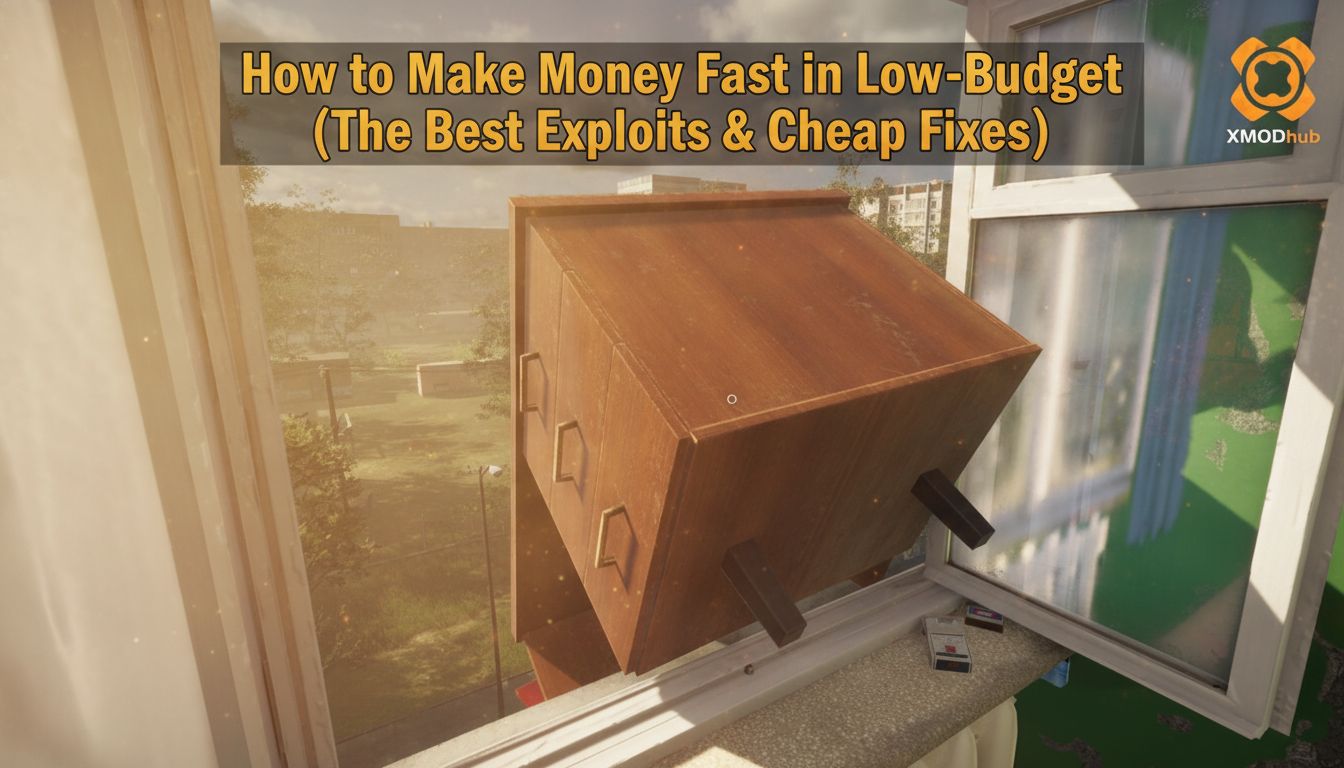
If you are playing Low-Budget Repairs legitimately—buying premium materials, leveling your tiles perfectly, and making sure the plumbing actually works—you are playing the game entirely wrong. You are probably barely scraping by, wondering why that client in the 1990s Polish apartment block didn’t tip you for spending three hours aligning a rug. The truth is, this game rewards the absolute worst handyman behavior imaginable. If you want to get rich, you need to stop acting like a professional and start acting like a con artist with a toolbox.
Editor’s Note: After spending dozens of hours exploiting the mechanics in Low-Budget Repairs, I’ve realized that the entire economy is built around deception. The clients don’t check your work closely; they only care if it looks done from a distance. Stop buying expensive paint and start watering it down. Use duct tape instead of pipes. I went from negative funds to buying every tool upgrade in the game by simply embracing the “slapdash” lifestyle. Here is exactly how you break the game’s economy.
TL;DR: The Short Answer
To make money fast in Low-Budget Repairs, you must exploit the game’s core mechanics by cutting corners on every single job. The most profitable exploits include:
- The “Infinite Paint” Glitch (Watering Down): Always dilute your paint with the maximum amount of water the game allows before it registers as “ruined.” You can stretch one bucket across three jobs.
- The Duct Tape Bypass: Never buy replacement pipes or wiring. Use duct tape for plumbing and electrical fixes. The client only checks if the leak/spark has stopped at the moment of job completion.
- Uneven Tiling & Hidden Trash: Slap tiles on the wall without leveling them; the game does not penalize your payout for uneven surfaces. Furthermore, sweep trash under rugs or behind cabinets instead of bagging it to save on disposal fees.
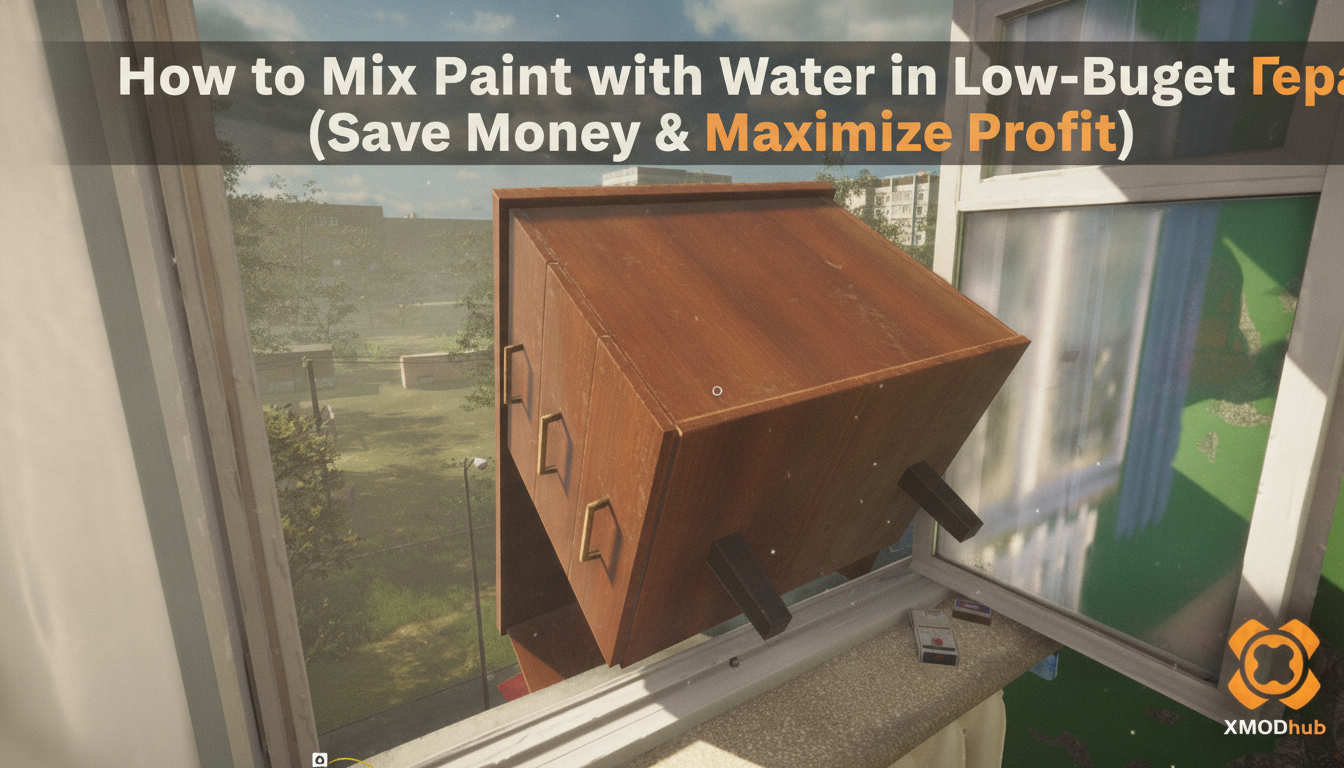
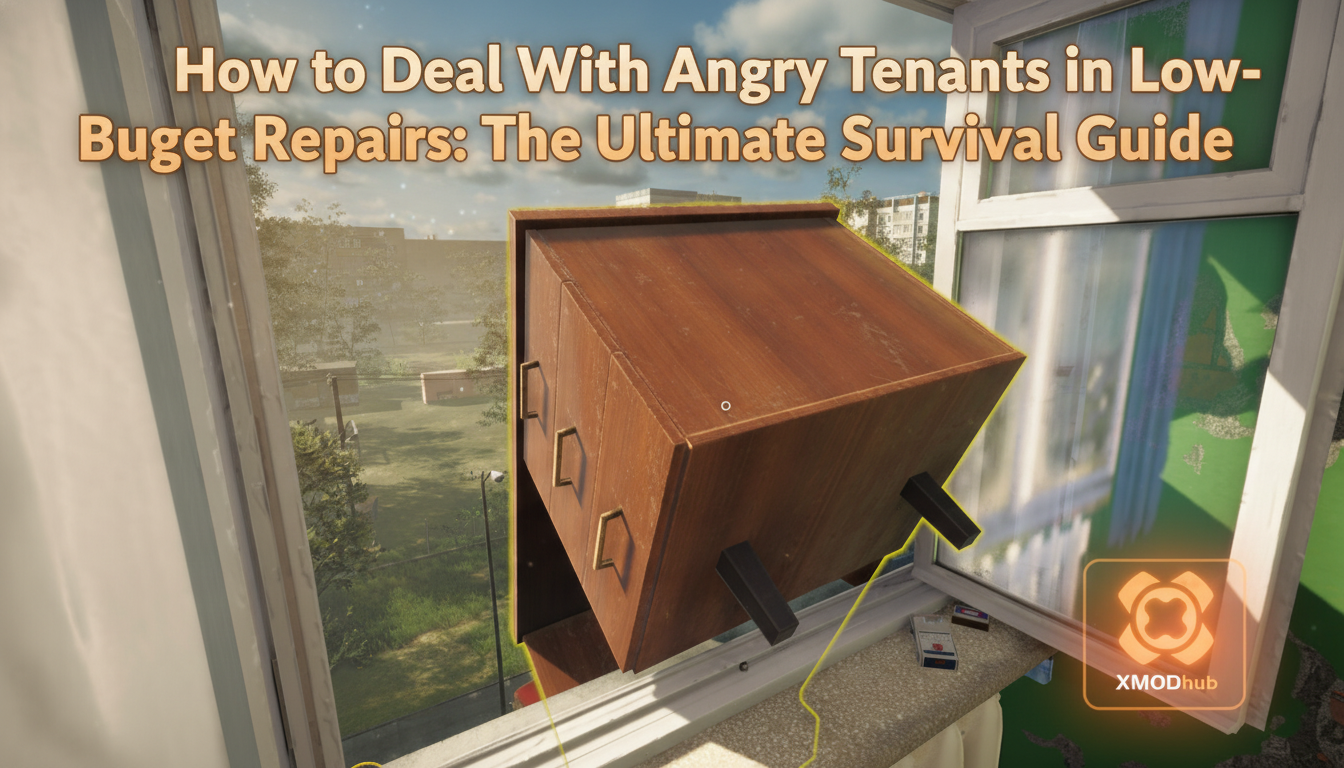
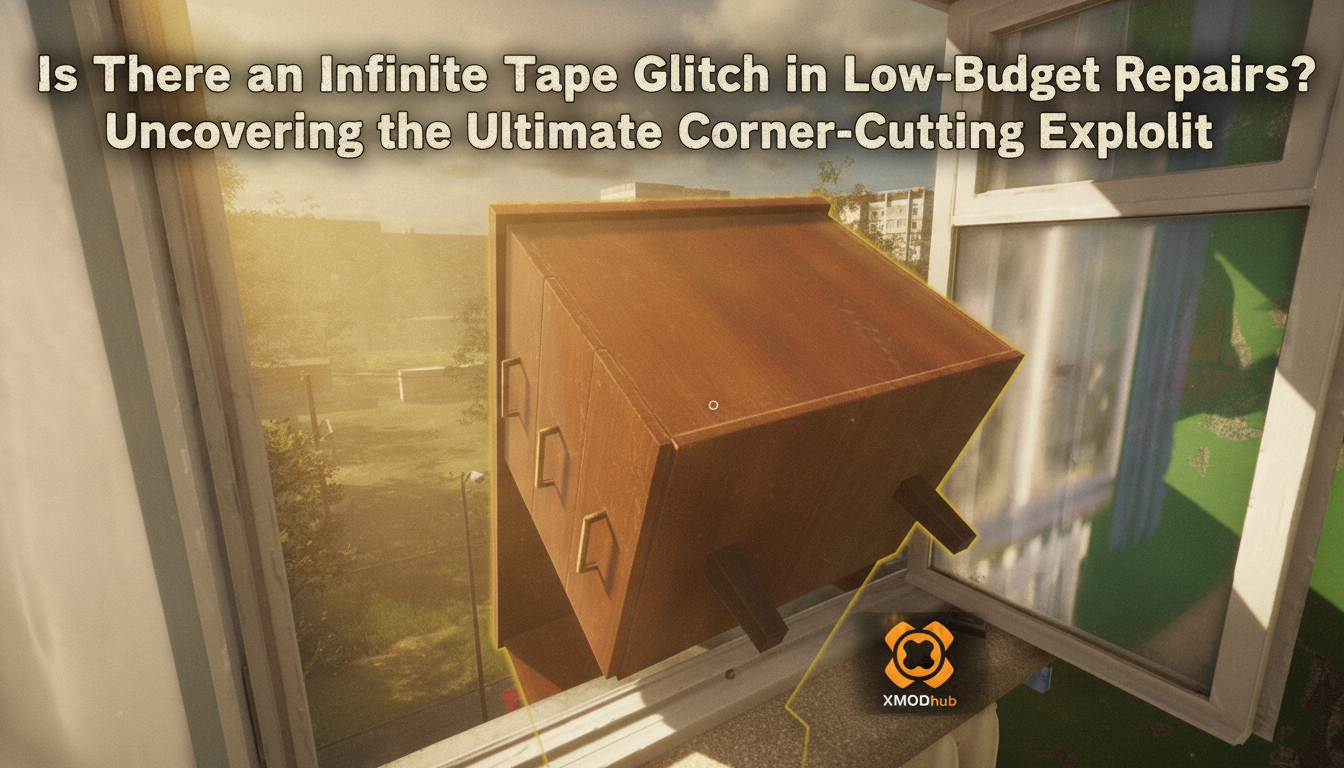
- Furniture Recycling (The Window Toss): Throw old furniture out the window instead of paying the junk removal fee. Then, “restore” broken items with glue rather than buying new ones.
Table of Contents
- TL;DR: The Short Answer
- The Core Philosophy of Low-Budget Repairs
- Exploit 1: The Watered-Down Paint Economy
- Exploit 2: Duct Tape is Your Best Friend
- Exploit 3: Tiling Faster Than Humanly Possible
- Exploit 4: The Art of Hiding Trash
- Maximizing Contract Payouts: What Clients Actually Check
- Contract Selection: Which Jobs Yield the Highest Net Profit?
- The “Glue Over Glue” Furniture Scam
- The Ultimate Shortcut: Bypassing the Grind Completely
- Frequently Asked Questions
- Final Verdict: Profit over Perfection
The Core Philosophy of Low-Budget Repairs
Before we dive into the specific exploits, you have to understand the fundamental mechanics of Low-Budget Repairs. Unlike House Flipper or PowerWash Simulator where satisfaction and perfection yield the highest rewards, this indie simulation game set in 1990s Poland actively encourages you to be cheap.
The game’s contract system evaluates your work based on a simple checklist: Is the hole patched? Is the wall painted? Is the furniture placed? It does not evaluate the structural integrity, the aesthetic perfection, or the longevity of the repair. Your profit margin is calculated strictly by subtracting your material costs from the fixed contract payout. Therefore, the less you spend on materials, and the faster you complete the checklist, the more money you make per minute of gameplay.
If you are struggling to build your bankroll, it is because you are spending too much money at the hardware store. The true meta of How to Make Money Fast in Low-Budget Repairs relies on stretching your inventory to absolute absurd lengths.
Exploit 1: The Watered-Down Paint Economy
This is arguably the most consistent and profitable exploit in the early game. When you accept a contract that requires painting (like the common “Vanilla Cream” requests), the game expects you to buy enough paint to cover the square footage. Do not do this.
Instead, take a single bucket of paint to the sink or bathtub. The game allows you to dilute the paint with water. While the tutorial mentions this as a cheeky feature, it doesn’t emphasize how broken it is. You can dilute the paint until the opacity drops significantly. The visual difference on the wall is noticeable to you—it looks washed out and terrible—but the game’s completion trigger only checks if the “Painted” tag is applied to the wall surface.
Step-by-Step Execution:
- Buy the cheapest tier of the required paint color.
- Fill it with water up to the absolute threshold before the game flags it as “Ruined” (usually around 60-70% water, depending on the paint type).
- Apply with the largest roller you have.
- You will use a fraction of the actual paint per wall section, allowing you to carry the same bucket to the next two or three contracts, saving you thousands of in-game currency over time.
For a deeper dive into optimizing your early-game cash flow, make sure you review our The Ultimate Guide: Top 10 Beginner Tips for Low-Budget Repairs (Make Money Fast) , which covers which starter tools are actually worth your hard-earned cash.
Exploit 2: Duct Tape is Your Best Friend
Plumbing and electrical jobs are designed to be money sinks. The hardware store charges premium prices for copper pipes, U-bends, and proper wiring. However, the game features a hilariously overpowered item: Duct Tape.
When a client asks you to fix a leaking sink or a sparking fuse box, the intended method is to turn off the mains, unscrew the broken part, buy a replacement, and install it. The exploit? Just wrap the broken part in duct tape.
Why This Works:
The game’s logic system registers the leak/spark as “fixed” the moment the duct tape is applied and the water/electricity is turned back on without an immediate failure. Since the contract ends the moment you walk out the door, the client will never know that their bathroom pipe is held together by silver tape and prayers. A roll of duct tape costs mere pennies compared to replacement parts, drastically increasing your net profit on these specific contracts.
Warning: Do not use tape on the main water valve itself, as the game sometimes triggers an immediate blowout before you can click “Finish Job,” which will cost you a penalty fee.
Exploit 3: Tiling Faster Than Humanly Possible
Bathroom renovations are time-consuming, mostly because the game implies you should use the level tool to align tiles perfectly. This is a trap for perfectionists. The physics engine in Low-Budget Repairs allows you to simply slap tiles onto the adhesive as fast as you can click.
The tiles will be crooked, overlapping, and visually offensive. However, the contract only counts the number of tiles placed in the designated zone. By ignoring the level tool completely, you can finish a tiling job in 30 seconds instead of 5 minutes. Time is money. The faster you clear the contract, the faster you can take on the next one. This rapid-fire completion rate skyrockets your hourly in-game earnings.
Exploit 4: The Art of Hiding Trash
Cleaning up is a staple of the simulation genre, but Low-Budget Repairs charges you for trash bags and disposal fees if you do it properly. When you patch wall holes or rip up old floorboards, debris is generated.
To maximize your money, never buy trash bags. Instead, use the game’s physics to your advantage. Sweep all the debris into a corner and place a large piece of furniture (like a wardrobe or a bed) directly over it. Alternatively, kick smaller debris under rugs. The game’s “Cleanliness” check only scans visible surfaces. If the trash is clipped under a rug or hidden behind a cabinet, the room counts as clean, and you pocket the disposal fee.
Furthermore, when dealing with large items like broken chairs or old TVs, do not pay the junk removal service. Simply pick up the item and throw it out the apartment window. The slapstick physics will send it plummeting to the street below, instantly removing it from the apartment’s inventory and clearing the objective for free.
Maximizing Contract Payouts: What Clients Actually Check
To truly master How to Make Money Fast in Low-Budget Repairs (Best Exploits), you must understand the client checklist. Before you click “Finish Job,” ensure you have only met the bare minimum requirements:
- Patch Wall Holes: Fill it with the cheapest plaster. Don’t bother sanding it perfectly smooth unless specified.
- Move Furniture: Just drop it roughly in the glowing zone. Orientation barely matters.
- Painting: Use the watered-down exploit. Never double-coat.
- Repairs: Always attempt a glue or tape fix before buying a replacement part.
By stringently adhering to this corner-cutting philosophy, you transform your handyman business from a struggling startup into a highly profitable enterprise built on deception and cheap tricks.
Contract Selection: Which Jobs Yield the Highest Net Profit?
Not all jobs in this 1990s Polish economy are created equal. If you are blindly accepting every contract that pops up on your pager, you are wasting valuable time. To truly optimize your cash flow, you need to engage in strategic contract farming.
The secret is avoiding full-scale room renovations early on. While they offer a high gross payout, the sheer volume of required materials (even when exploiting the game) eats into your time and profit margins. Instead, prioritize targeted repair jobs.
Here is a breakdown of the most profitable job types when applying the game’s best exploits:
| Contract Type | Expected Payout | Legitimate Cost | Exploit Cost (Tape/Glue) | Net Profit Margin |
|---|---|---|---|---|
| Plumbing Leak | 300 Złoty | 150 Złoty (Pipes) | 5 Złoty (Duct Tape) | ~98% |
| Electrical Spark | 250 Złoty | 100 Złoty (Wires) | 5 Złoty (Duct Tape) | ~98% |
| Wall Painting | 400 Złoty | 200 Złoty (3 Buckets) | 65 Złoty (1 Diluted Bucket) | ~83% |
| Full Renovation | 1200 Złoty | 800 Złoty (Materials) | 150 Złoty (Scrap/Glue) | ~87% |
As the data shows, spamming short Plumbing and Electrical contracts using the Duct Tape exploit provides a near 100% profit margin and can be completed in under two minutes of real-world time.
The “Glue Over Glue” Furniture Scam
Another massive money sink in the game is client furniture repair. Occasionally, you will be tasked with fixing a shattered wooden chair or a broken cabinet door. The hardware store sells expensive wooden planks, dowels, and replacement hinges for these exact scenarios.
Ignore them completely. The game features a generic bottle of wood glue that costs practically nothing. The physics engine allows you to reattach completely shattered, splintered pieces of wood by generously applying glue to the broken seams and pressing them together. Even if the chair looks like a grotesque, mismatched modern art sculpture, as long as the original pieces are fused back into a single object, the game’s validation system marks the furniture as “Repaired.” You can restore a completely destroyed antique wardrobe for the cost of a single drop of cheap adhesive.
The Ultimate Shortcut: Bypassing the Grind Completely
Let’s be honest. Even with these hilarious exploits, manually watering down paint, throwing furniture out of 5th-story windows, and aggressively slapping crooked tiles on walls can get repetitive. If you just want to experience the late-game contracts, unlock all the ridiculous tools, and build the ultimate terrible handyman empire without the tedious grind, there is a much faster way.
Don’t want to deal with the slow crawl of early-game contracts? Directly inject cash into your save file using XMODhub.
XMODhub provides safe, undetected memory editing for thousands of single-player games, allowing you to bypass the grind instantly. For Low-Budget Repairs, you can enable features like “Infinite Money,” “Instant Job Completion,” and “Free Hardware Store Purchases.”
Here is how to get infinite money in 3 simple steps:
- Download XMODhub and launch the application on your PC.

- Auto-Detect Low-Budget Repairs while the game is running (the software will automatically hook into the game process).
- Toggle the Cheats: Flip the switch for “Add 10,000 Cash” or “Instant Objectives” and watch your bank account explode immediately.
Why spend hours diluting paint when you can become a millionaire with one click and focus on the chaotic, sandbox fun of the game?
Download Low-Budget Repairs Trainer Now
Frequently Asked Questions
Can I get penalized for doing a bad job in Low-Budget Repairs?
Surprisingly, no. As long as you meet the basic criteria of the contract (e.g., the wall has paint on it, the hole is covered), the game does not deduct money for terrible aesthetics. Crooked tiles and watered-down paint will pass the inspection every single time. The only time you lose money is if you fail to complete a checklist item or destroy a client’s item permanently without fixing it.
What is the most profitable job type in the game?
Electrical and plumbing repairs offer the highest profit margins, provided you use the duct tape exploit. Because the game calculates the payout assuming you will buy expensive replacement parts, using a cheap piece of tape allows you to pocket the massive difference. Tiling jobs are also highly lucrative if you ignore the leveling tool and speed-run the placement.
Is it worth upgrading my tools early on?
Only specific tools. You should invest in the largest paint roller immediately, as it covers more surface area and saves real-time minutes on painting jobs. However, do not waste money on advanced leveling tools or premium plastering knives, as precision is entirely unnecessary for completing contracts and getting paid.
Can I actually get caught throwing trash out the window?
In the current build of the game, there are no “police” or neighborhood watch mechanics that penalize you for throwing old furniture out the apartment window. It is a completely free and highly encouraged method of bypassing the junk removal fees. Just make sure the item completely clears the window sill and falls to the ground below.
Final Verdict: Profit over Perfection
The secret to How to Make Money Fast in Low-Budget Repairs is to abandon all sense of pride in your work. This is a game about surviving in 1990s Poland by being as cheap and resourceful as possible. Dilute your paint, tape your pipes, hide the trash under the rug, and chuck the old sofa out the window. By exploiting these mechanics, you will maximize your profits and breeze through the game’s economy.
However, if you find yourself exhausted by the constant need to cut corners, or if you simply want to unlock everything immediately to experiment with the game’s hilarious physics engine, XMODhub is your ultimate solution. With support for over 5000+ single-player PC games, XMODhub is the premier tool for taking control of your gaming experience. Whether you want infinite cash in Low-Budget Repairs, god mode in House Flipper 2, or unlimited resources in PowerWash Simulator , XMODhub allows you to play the game exactly how you want to play it. Stop grinding, start playing, and build your terrible handyman empire today.
Stop Grinding, Start Enjoying.
Bypass the tedious resource gathering and unlock your full potential instantly.

I am a passionate gamer and writer at XMODhub, dedicated to bringing you the latest gaming news, tips, and insights.
Connect with me:
LinkedIn Profile ↗