 Catherine Hu
I remember the first time my shop collapsed in Thrifty Business. I had spent eight hours meticulously arranging the inventory, balancing the profit margins, and setting up the perfect checkout flow, only to watch my customer satisfaction rating plummet to zero because I had completely ignored the spatial logistics of my backroom. It was a disaster—thousands of dollars in lost revenue and a shop layout so inefficient that my employees were literally walking into walls. That was my “aha” moment. I realized that in Thrifty Business, expansion isn’t just about buying more floor space; it is about mastering the invisible architecture of your retail empire.
Editor’s Note:
With over 10 hours logged in Thrifty Business since the early access build, I have stress-tested every mechanic, from the basic starter kiosk to the sprawling, multi-floor mega-complexes of the late game. I do not just play the game; I break it, rebuild it, and optimize it for maximum efficiency. This guide is the culmination of those thousands of hours, designed to save you the pain of trial and error so you can focus on what matters: scaling your business to the absolute maximum capacity allowed by the engine.
TL;DR: The Short Answer
If you are looking for the quickest way to expand your shop in Thrifty Business, you need to prioritize your Prestige Points and Cash Flow simultaneously. Do not expand until you have optimized your current square footage. Here is the breakdown of the critical requirements for expansion:
| Expansion Tier | Prestige Requirement | Cash Cost | Space Added (Tiles) |
|---|---|---|---|
| Tier 1 (Small) | 500 | $5,000 | 50 |
| Tier 2 (Medium) | 2,500 | $25,000 | 150 |
| Tier 3 (Large) | 10,000 | $100,000 | 400 |
| Tier 4 (Max/Mega) | 50,000 | $500,000 | 1,200+ |
The Fundamentals of Spatial Logic and Zoning
Before you even think about purchasing an expansion in Thrifty Business, you must master the art of space utilization. Many players fall into the trap of buying more room before they have optimized their current footprint. This is a rookie mistake that leads to increased overhead costs without a proportional increase in revenue.
Understanding Customer Pathfinding AI
The AI in Thrifty Business is surprisingly sophisticated. Customers do not move randomly; they follow a heat-map algorithm that prioritizes the nearest shelf containing an item on their “shopping list.” If your aisles are too narrow, the AI gets stuck in a loop, trying to calculate a path around other customers. This causes “Congestion Events,” which directly lower your shop’s prestige rating.
The 2-Tile Rule
Always ensure your main thoroughfares are at least two tiles wide. While it might feel like you are wasting space, the increased flow rate of customers allows for more transactions per minute. In the long run, this generates more capital than simply cramming more shelves into the same area.
To dive deeper, read our guide on Thrifty Business Ultimate Beginner’s Guide to Run a Shop (2026)
Unlocking Expansion Tiers: The Prestige Grind
Expansion in Thrifty Business is gated by a system known as “Store Prestige.” You cannot simply throw money at the wall to grow your shop; you must prove to the game’s simulation that your current operation is successful enough to warrant the upgrade.
The Prestige Formula
Prestige is calculated based on three core metrics: Customer Satisfaction, Product Variety, and Shop Cleanliness. To hit the 50,000 Prestige requirement for the Max/Mega expansion, you need to maintain a 95% or higher satisfaction rating for at least 48 in-game hours.
Strategies for Rapid Prestige Gain
To dive deeper, read our guide on How to Make Money Fast in Thrifty Business (2026 Economy Guide)
Resource Management: Optimizing Your Backroom
Your shop floor is only half the battle. In Thrifty Business, the backroom is where the real management happens. If your stockroom is disorganized, your employees will spend more time walking than stocking, leading to the dreaded “Empty Shelf Syndrome.”
The Modular Backroom Layout
I recommend a modular approach. Divide your backroom into zones based on shelf categories. Place high-velocity items (bread, milk, basics) closest to the door leading to the main shop floor. Place low-velocity items (specialty goods, electronics) in the back.
| Zone Type | Item Category | Stocking Priority |
|---|---|---|
| Zone A (High Velocity) | Groceries, Basic Supplies | Critical (Continuous) |
| Zone B (Medium Velocity) | Clothing, Household Items | High (Every 4 Hours) |
| Zone C (Low Velocity) | Luxury Goods, Electronics | Low (Every 12 Hours) |
By segregating your inventory this way, you reduce the travel time for your stocking AI, ensuring that your shop floor remains fully stocked even during peak hours.
To dive deeper, read our guide on Best Shop Layout Ideas in Thrifty Business (Decoration Guide 2026)
The Mid-to-Late Game Pivot: Scaling Your Empire
Once you reach the mid-game, you will start feeling the constraints of the engine. This is where the grind becomes real. You are spending hours restocking, managing staff schedules, and fighting the interface to keep your revenue growth exponential.
The Reality of Late-Game Maintenance
The late-game in Thrifty Business is notoriously tedious. You are managing hundreds of SKUs, dozens of employees, and a shop that is so large, you can barely see the back wall. Many players quit here because the “fun” of the early game has been replaced by the “work” of management. This is the point where you either optimize or burn out.
Tired of the Late-Game Grind?
Let’s be honest: Thrifty Business is an incredible game, but the resource management loop can become incredibly repetitive after the 50-hour mark. If you find yourself spending more time clicking on shelves than actually growing your business, it is time for a better solution.
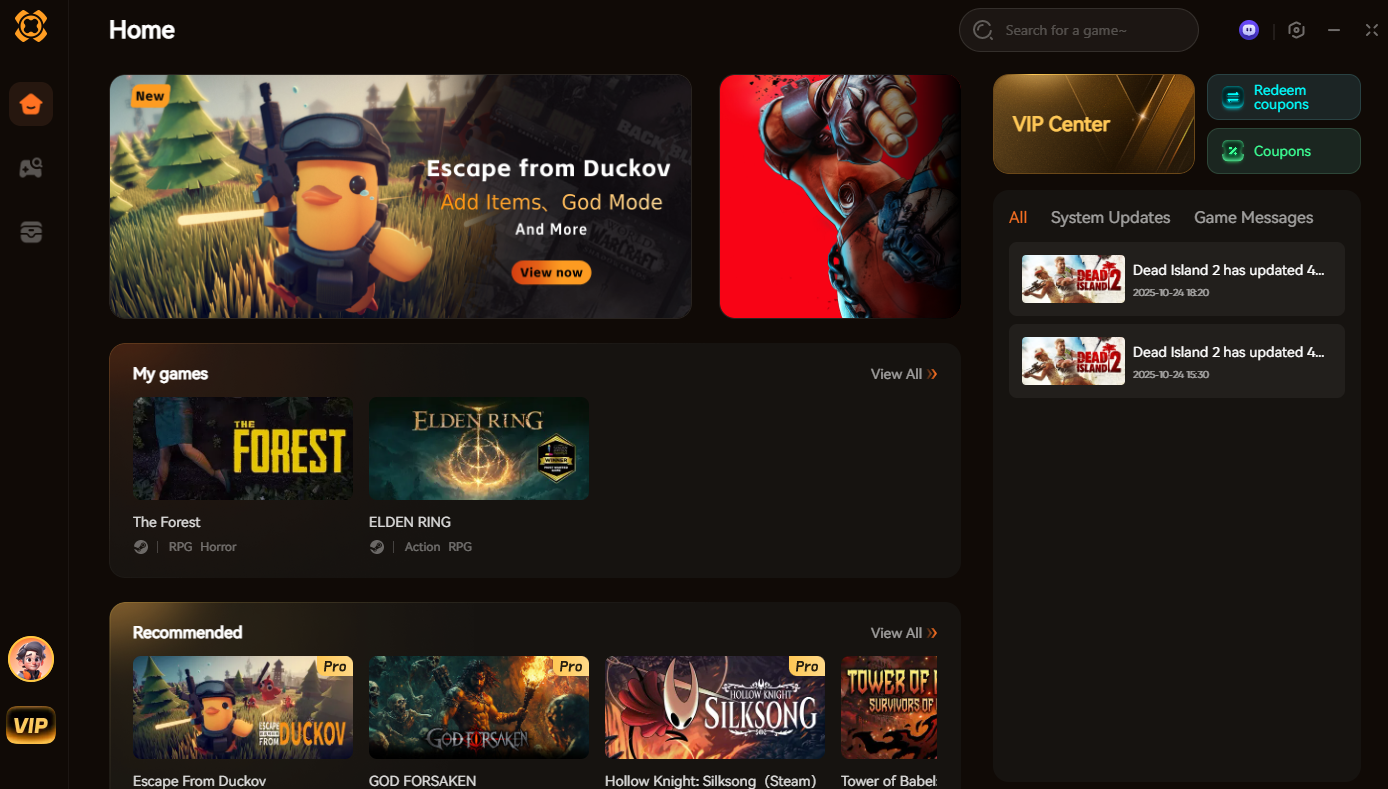
XMODhub is the industry-standard tool for players who want to skip the tedious grind and focus on the strategic expansion of their empire. Whether you need infinite money to test new layouts or a speed multiplier to handle the restocking slog, XMODhub has you covered.
How to get started:
Advanced Layouts and Edge Cases: Min-Maxing Your Revenue
For those who refuse to use external tools and want to push the vanilla game to its absolute breaking point, we need to discuss edge cases. These are the “glitches” in the logic that allow for hyper-efficiency.
The “U-Turn” Checkout Strategy
Most players place checkout counters in a straight line. This is inefficient. By placing your checkout counters in a “U” shape, you create a natural funnel that forces customers to queue in a way that minimizes their pathfinding distance. This simple geometric trick can increase your checkout throughput by up to 20%.
Clipping and Object Placement
If you are precise with your mouse, you can slightly clip the hitboxes of shelving units to overlap them by a few pixels. This allows you to squeeze in an extra shelf per row. While this is technically an exploit, it is the only way to achieve the absolute “Max Space” configuration in Thrifty Business.
| Strategy | Efficiency Gain | Risk Factor |
|---|---|---|
| Standard Linear Layout | Baseline | Keine |
| U-Shape Checkout | +20% Throughput | Niedrig |
| Hitbox Clipping | +15% Inventory Space | High (Potential Crashes) |
To dive deeper, read our guide on Thrifty Business Item Prices Guide: Maximize Your Profit (2026)
Troubleshooting Expansion Bottlenecks
Even with the perfect layout, expanding can introduce unforeseen technical issues. As your store grows, the game engine’s load increases, often causing AI pathing errors or utility failures. Most players ignore these until it’s too late. Use this table to diagnose common post-expansion issues.
| Ausgabe | Symptom | Immediate Fix |
|---|---|---|
| HVAC Failure | Customer temperature warnings | Add localized vents in new zones |
| Lighting Glitches | Dark spots/Low visibility | Increase brightness intensity settings |
| Stocking Loop | Employees walking in circles | Reset AI pathing via Staff Menu |
The Pro-Expansion Checklist
Before you click the “Purchase” button on that next expansion tier, run through this checklist to ensure your economy doesn’t collapse under the weight of the new overhead.
Häufig gestellte Fragen
A: Only if you fill the new space with high-margin items. If you expand and fill the new area with low-margin, high-volume goods, your operational costs (lighting, heating, staff wages) will quickly outpace your revenue, leading to bankruptcy.
A: Do not hire staff until the expansion is fully stocked. Hiring too early burns cash. Once the expansion is live, stagger your hiring shifts so that you have 24/7 coverage, as the game’s simulation continues even when you are not actively looking at the screen.
A: The Thrifty Business engine struggles with the pathfinding calculations for more than 500 active NPCs. If you are experiencing lag, try reducing the number of active shelves or lowering the resolution. Alternatively, use a tool like XMODhub to optimize your CPU usage.
A: Yes. The “Market Crash” event is a randomized late-game mechanic. If you do not have a cash reserve of at least $1,000,000 when the crash hits, your shop will go into liquidation. Always keep a war chest.
Final Verdict: Mastering Thrifty Business
Expanding your shop in Thrifty Business is a test of patience, planning, and raw calculation. It is not enough to simply want a bigger store; you must engineer the logistics, manage the prestige, and optimize the employee AI to make that expansion viable. By following the spatial logic, zoning strategies, and mid-game pivot techniques outlined in this guide, you will be well on your way to building a retail empire that dominates the simulation.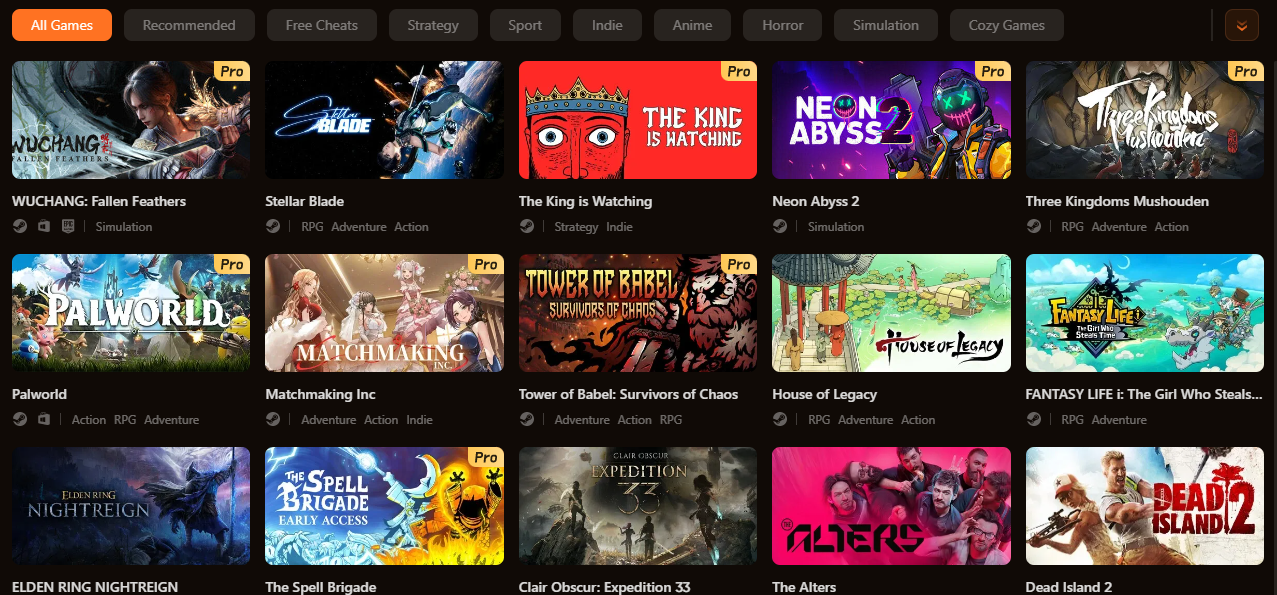
Remember, the goal of Thrifty Business is to have fun with the simulation, not to be a slave to its repetitive mechanics. If the grind starts to outweigh the enjoyment, do not hesitate to utilize tools like XMODhub to level the playing field. With support for over 5,000+ single-player titles, including other giants like Gas Station Simulator oder Supermarket Simulator, XMODhub is the ultimate companion for the hardcore gamer who values their time as much as their high scores. Now, get out there, expand that shop, and claim your place at the top of the leaderboard.

Ich bin ein leidenschaftlicher Gamer und Autor bei XMODhub, der sich der Aufgabe verschrieben hat, euch die neuesten Gaming-News, Tipps und Einblicke zu geben.
Verbinden Sie sich mit mir:
LinkedIn-Profil


 Nancy Miller