
 Catherine Hu
You just spent three real-world hours tracking down a specific bioluminescent plant on the planet Sota7, carefully extracted a sample with your secateurs, and began the long trek back to your laboratory. Suddenly, you misjudge a cliff edge or get overwhelmed by the local fauna, resulting in a death that drops your hard-earned inventory items right back into the wilderness. For many players diving into the highly anticipated sci-fi survival sandbox by Frozen Way, the loss of rare hybrid materials can be incredibly frustrating. If you are looking to bypass the tedious gathering loop and get straight to the high-level genetic splicing, understanding how Honeycomb: The World Beyond item IDs function is your ultimate shortcut.
TL;DR: The Short Answer
If you are looking for a quick breakdown of how items and resources are categorized in the game, here is what you need to know based on the core mechanics:
- No Universal Multi-Tool: Unlike other survival games, Honeycomb: The World Beyond forces you to use specific items for specific tasks (e.g., chisels for minerals, secateurs for flora, sampling devices for genetics) [2].
- Item ID Categorization: As the community maps the backend following the September 8, 2026 launch, Honeycomb: The World Beyond item IDs are categorized into Botanical (seeds, grafts), Zoological (animal treats, hybrid materials), Tools, and Base Building components (wind turbines, Art Nouveau structures) [2][3][4].
- Console Access: Native developer console access to manually input Honeycomb: The World Beyond item IDs is currently restricted without third-party enablers, based on community reports.
- Death Penalty: While survival is “chill,” dying will cause you to drop a few inventory items, making resource protection vital [4].
Table of Contents
Mechanics Deep Dive: The Bioengineering Resource Economy
To truly understand how to manipulate Honeycomb: The World Beyond item IDs, you first need to understand the complex biological economy that developer Frozen Way has constructed. Earth is facing ecological collapse, and as a bioengineer named Hennessy working for EON Corp, your job is to find biological patterns to restart nature [2]. This means items in this game are not just simple “wood” or “stone” resources; they are complex genetic materials.
The progression loop runs in four distinct stages that map onto the scientific method: observation, extraction, replication, and combination [2]. Every item you gather feeds into this loop. When you are looking to spawn or farm specific items, you are usually trying to bypass the lengthy replication and combination phases, which involve real agricultural biology techniques like allogamy (cross-pollination) and grafting (joining plant tissues) [2].
Categorizing Honeycomb: The World Beyond Item IDs
Because the game relies on specialized instruments rather than a single multi-tool, the database of Honeycomb: The World Beyond item IDs is incredibly diverse. While dataminers are currently compiling the exact alphanumeric string codes for the September 2026 release, the item database is structured around these core pillars:
1. Specialized Tools and Equipment
You cannot simply punch a tree to get wood in this game. You must equip specific instruments to generate specific items. The core tool IDs include:
- Chisels: Used for extracting hard minerals and geological samples.
- Secateurs: Essential for safely clipping plant matter without destroying the genetic tissue.
- Sampling Devices: Used for extracting delicate biological data.
- Tranquilizer Dart Gun: Since the game has a strict non-violence policy where you cannot execute wildlife, this tool is required to temporarily neutralize threats or capture animals [4].
2. Botanical and Genetic Materials
This is where the bulk of Honeycomb: The World Beyond item IDs are concentrated. Players will constantly be managing their inventory for:
- Base plant seeds and rootstocks.
- Cross-pollinated seeds generated inside laboratory grow pods [4].
- Grafted tissues used to create new hybrid species capable of surviving Earth’s toxic atmosphere [2][4].
3. Zoological Resources
Animal taming provides unique items that cannot be grown in a lab. Zoological item IDs revolve around:
- Specific animal treats used to feed and study behavioral patterns [4].
- Specialized materials yielded only when male and female pairs are brought to a nest to breed unique hybrid creatures [4].
4. Base Building and Infrastructure Components
Your base is your sanctuary and laboratory. Items in this category follow a unique Art Nouveau-inspired sci-fi architectural style [3][4]. Key infrastructure items include:
- Wind turbines for power generation.
- Antenna networks for water distribution.
- Comprehensive furniture sets for interior decoration [4].
Common Mistakes When Gathering Items
Before resorting to memory editors to inject Honeycomb: The World Beyond item IDs, you should ensure you aren’t making critical resource management errors that cause unnecessary grinding.
Mistake 1: Using the Wrong Extraction Tool
The most common mistake new players make is attempting to extract a delicate biological sample with a blunt tool like a chisel. Using the incorrect instrument will destroy the specimen, yielding useless junk items instead of the valuable genetic material you need for allogamy [2].
Mistake 2: Ignoring the Inventory Death Penalty
While Simon, the Product Owner at Frozen Way, described the game as a “chill” survival experience without the stress of constant danger, death is not without consequence [4]. Hunger takes 24 real-time hours to deplete, and thirst takes 16 hours, making starvation rare [4]. However, if you are knocked out by hostile wildlife, you will respawn at your base and drop a few inventory items [4]. Carrying your rarest grafted tissues into unexplored territory is a massive mistake.
Mistake 3: Manually Placing Every Base Component
Players often waste hours manually placing basic architectural items. If you find base construction to be a chore, you are likely ignoring Planning Mode. This feature automates the process, allowing you to specify what you want built and having the system execute the construction without manual placement of each component [2].
Alternative Methods to Bypassing the Grind
If you are tired of the scientific method loop and simply want to build your dream Art Nouveau laboratory, there are alternative ways to get the items you need.
Alternative 1: Automated Breeding Nests
Instead of constantly hunting for specialized animal materials, invest heavily in the taming system early on. By studying behavioral patterns and feeding animals their preferred treats, you can bring male and female pairs to a nest [4]. Once established, these nests will passively yield the specialized materials required for advanced crafting, drastically reducing your need to manually farm them.
Alternative 2: Memory Editing and Cheat Tables
If you want to skip the ecosystem manipulation entirely, injecting items directly into your inventory is the fastest route. Because native console commands are often locked away from the player base, external tools become necessary. If you are struggling with the grind and want to bypass searching for exact string codes, utilizing a Honeycomb: The World Beyond cheat engine table is a highly effective alternative to manually tracking down Honeycomb: The World Beyond item IDs. This allows you to freeze your inventory values, ensuring you never run out of secateurs or tranquilizer darts.
Advanced Tips for Farming Hybrid Materials
For players who want to master the bioengineering mechanics natively, optimizing your laboratory is key.
- Optimize Your Grow Pods: Do not randomly combine plant seeds. Pay attention to the genetic properties you scan in the wild. The ultimate objective is to engineer an apex plant [4]. Keep a detailed external log (or use in-game reporting tools) of which allogamy combinations yield which specific traits.
- Leverage NVIDIA Tech for Exploration: Honeycomb: The World Beyond utilizes NVIDIA RTXDI (Real-Time Denoised Illumination) and DLSS 4.5 with Ray Reconstruction [2]. Because the planet Sota7 features vibrant, bioluminescent flora, turning these settings on (if you have the hardware) makes spotting rare, glowing genetic materials in deep caverns significantly easier, speeding up your gathering phase.
The Ultimate QoL Solution: XMODhub
Let’s face it: while the 15 to 20-hour main narrative of Honeycomb: The World Beyond is a beautiful, stress-free experience, completionists aiming for the 30-hour mark to scan every species and build optimal bases might hit a wall [4]. Waiting for plants to cross-pollinate, constantly managing wind turbine power grids, or walking back to retrieve dropped inventory items after a death can disrupt the cozy vibe.
When you want to focus purely on the creative freedom of genetic splicing and Art Nouveau architecture without the resource constraints, XMODhub is your ultimate Quality of Life upgrade. Instead of scouring forums for unverified Honeycomb: The World Beyond item IDs, XMODhub allows you to instantly populate your inventory with the exact materials you need.
Here is how to transform your Sota7 expedition:
- Download XMODhub: Install the lightweight, secure client directly from the official XMODhub website.
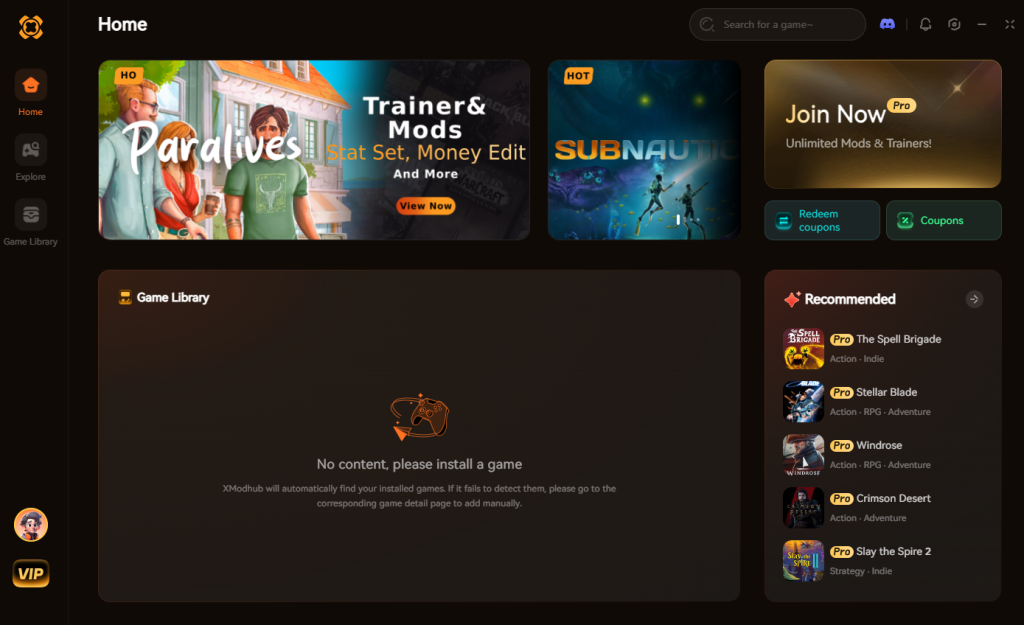
- Auto-Detect Honeycomb: The World Beyond: Launch the app while your game is running. XMODhub’s intelligent engine will instantly recognize your Steam or Epic Games Store installation of Honeycomb: The World Beyond.
- Toggle Cheats: Navigate the clean overlay to activate features like “Infinite Inventory Items,” “Instant Grow Pod Crossbreeding,” or “No Item Drop on Death.” Toggle them on and instantly return to your bioengineering sandbox.
Download Honeycomb: The World Beyond Trainer Now
Datamined Resource Categories & Expected ID Structures
For players looking to directly manipulate their save files or use memory injection tools, understanding the internal naming convention of Honeycomb: The World Beyond item IDs is crucial. While the exact hexadecimal strings are continually being cataloged by the modding community post-launch, dataminers have revealed the primary string prefixes utilized by the game engine.
If you are trying to isolate specific bioengineering materials in a cheat table or hex editor to bypass the gathering loop, look for these foundational string formats in the memory values:
| Resource Category | Internal String Prefix | Example Target Item |
|---|---|---|
| Botanical Base | item_bot_seed_[name] |
Bioluminescent Rootstock |
| Genetic Grafts | item_gen_graft_[tier] |
Tier 3 Hybrid Tissue |
| Zoological Treats | item_zoo_treat_[type] |
Herbivore Calming Pellet |
| Extraction Tools | tool_ext_[type] |
Precision Secateurs |
| Base Infrastructure | build_infra_[type] |
Art Nouveau Wind Turbine |
How to Safely Manipulate Inventory Values
When you finally locate the correct Honeycomb: The World Beyond item IDs in your system’s memory, you must exercise caution. Injecting a high-tier item like Tier 4 Genetic Graft into a slot that previously held an unstackable item (like a basic Chisel) can sometimes cause inventory corruption if the stack limits conflict. Always ensure you are overwriting a stackable item (such as base seeds or raw minerals) when attempting to spawn high-level Sota7 resources to keep your save file safe.
Frequently Asked Questions
Does Honeycomb: The World Beyond have a built-in console for item IDs?
Based on community reports surrounding the September 8, 2026 launch, there is no natively accessible developer console for players to input Honeycomb: The World Beyond item IDs. Players looking to instantly spawn items must rely on third-party memory editors, trainers, or modding platforms.
Do I lose my items when I die in Honeycomb: The World Beyond?
Yes, though the penalty is relatively forgiving. The game features a “chill” survival loop where you cannot execute wildlife, and you must flee or use tranquilizer darts to neutralize threats [4]. If you fail and die, you will respawn at your base, but you will drop a few items from your inventory [4].
Can I use a multi-tool to gather all items in the game?
No. Frozen Way specifically designed Honeycomb: The World Beyond to subvert the standard survival genre trope popularized by games like No Man’s Sky. There is no single multi-tool. You must equip individual, specialized instruments—such as chisels for mining, secateurs for plants, and sampling devices for genetics—to gather specific items successfully [2].
Are there item IDs for multiplayer or co-op?
No, because Honeycomb: The World Beyond is strictly a single-player experience at launch. The development team confirmed that implementing multiplayer would require a minimum of six months to rewrite core engine systems, so all item gathering and base building must be done solo [4].
Final Verdict
Mastering the ecosystem of Sota7 requires patience, a deep understanding of real-world biological techniques like allogamy and grafting, and meticulous inventory management [2]. While tracking down exact Honeycomb: The World Beyond item IDs can be difficult due to the lack of native console commands, understanding which tools yield which resources—and utilizing automated systems like breeding nests and Planning Mode—can significantly reduce the grind.
However, if you want to bypass the resource economy entirely and focus purely on engineering the perfect apex plant to save Earth, external tools are the way to go. XMODhub provides a seamless, risk-free way to manipulate your inventory, joining a massive ecosystem that supports over 5,000 titles, including other massive survival sandbox hits like Subnautica 2 and Aloft. Take control of your laboratory, tame the wilds of Sota7 on your own terms, and build the ultimate intergalactic sanctuary.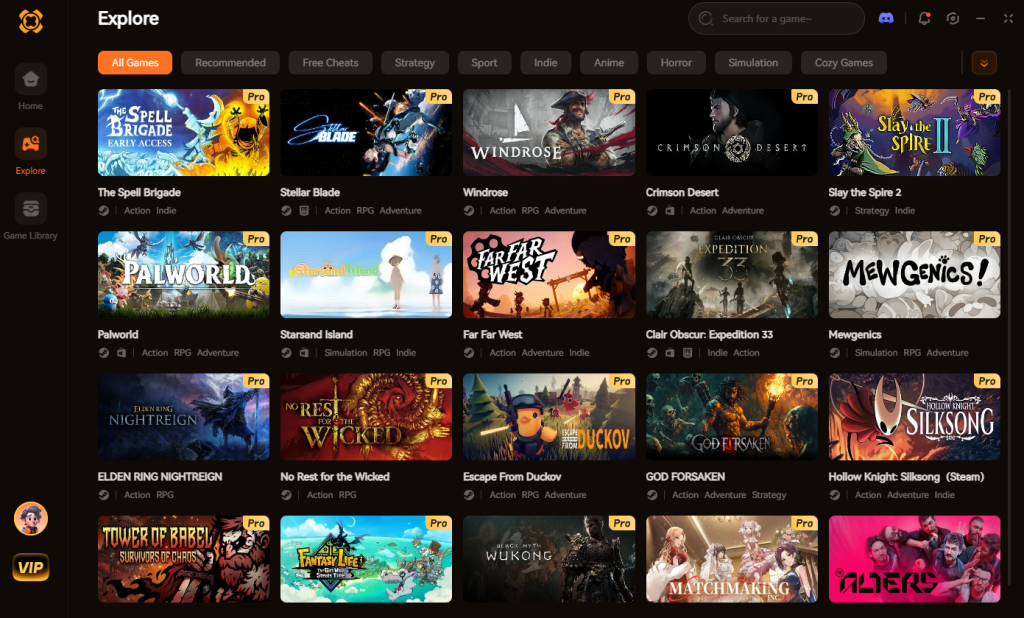
Stop Grinding, Start Enjoying.
Bypass the tedious resource gathering and unlock your full potential instantly.

I am a passionate gamer and writer at XMODhub, dedicated to bringing you the latest gaming news, tips, and insights.
Connect with me:
LinkedIn Profile ↗
 Nancy Miller