 胡凱琳
胡凱琳
We have all been there. You are in the middle of a high-stakes shipment delivery in Thrifty Business, the market prices are peaking, and you finally have the capital to expand your empire. You rush back to your warehouse to unload a massive haul of rare, high-margin goods, only to be hit with that soul-crushing notification: “Inventory Full.” You scramble to reorganize, panic-selling items you actually needed, and watching your profit margins evaporate in real-time. It is the ultimate “Inventory Tetris” nightmare, and frankly, it is the most common reason players rage-quit in their first twenty hours.
Editor’s Note
Having logged over 10 hours in Thrifty Business since the 2026 updates, I have personally tested every storage configuration imaginable. The difference between a struggling startup and a logistics tycoon isn’t just about how much you hold—it is about how you cycle your inventory. This guide breaks down the mechanics that the in-game tutorials gloss over.
TL;DR: The Short Answer
If you are looking for an immediate fix to your storage woes, here is the breakdown of the most effective strategies for managing inventory in Thrifty Business effectively.
| Strategy | Effectiveness | 最適合 |
|---|---|---|
| The Liquidator Method | 高 | Early-game players with limited cash flow. |
| Just-In-Time (JIT) Supply | 極端 | Mid-to-late game players focusing on high-value items. |
| Vertical Integration | 中型 | Players struggling with raw material storage. |
| XMODhub Optimization | God-Tier | Players who want to skip the grind and focus on strategy. |
Common Inventory Mistakes
Before we dive into the technical solutions, we need to address the bad habits that are filling up your warehouse faster than you can sell. Most players in Thrifty Business treat their storage like a personal attic rather than a business asset. Here are the three most common mistakes:
Mechanics Deep Dive: The Logic of Space
To master inventory in Thrifty Business, you must understand how the game calculates storage. Unlike simpler simulation games, Thrifty Business uses a volume-weight system. Some items are light but bulky, while others are dense and heavy. Your warehouse capacity is a combination of both total volume and maximum weight capacity.
When you encounter the “Out of Space” warning, check your stats panel. Are you hitting the volume limit or the weight limit? If you are hitting the weight limit, you need to look at heavy, low-value items. If you are hitting the volume limit, you are likely hoarding items with low density but high bulk. Adjusting your procurement strategy to balance these two metrics is the key to maintaining a fluid inventory.
Alternative Inventory Strategies
If you are struggling to keep your profits high while managing your inventory, you should also check out our comprehensive guide on How to Make Money Fast in Thrifty Business (2026 Economy Guide) to ensure your cash flow matches your storage capacity. Increasing your capital allows you to invest in better storage solutions, which directly impacts your ability to hold more stock.
The Just-In-Time (JIT) Supply Model
Instead of stocking up on everything, adopt a JIT model. Only purchase materials or products when you have a confirmed order or when the market price is at an absolute historical low. This reduces your average inventory holding by 60%, leaving your warehouse free for high-margin “opportunity buys” that appear throughout the day.
The Liquidator Strategy
If your warehouse is permanently full, you are likely holding onto “legacy stock”—items from previous business cycles that are no longer profitable. Dedicate one day a week in-game to a “Liquidation Event.” Sell everything that has a profit margin of less than 15%. Even if you break even, the space you reclaim is worth more than the potential profit of those stagnant items.
Advanced Logistics and Optimization
Once you have mastered the basics, it is time to look at the high-level logistics that separate the casuals from the pros. Advanced players use a technique called “Inventory Rotation.” This involves creating a buffer zone in your warehouse for incoming shipments that are pre-sold. By automating the flow of goods from the loading dock directly to the outbound shipping area, you minimize the time items spend sitting on your shelves, effectively increasing your turnover rate without needing more physical space.
Another high-level tactic is “Tiered Storage.” Dedicate specific sectors of your warehouse to specific item tiers. High-turnover items should be placed near the loading docks, while long-term investment items should be relegated to the back of the facility. This reduces the “pathing time” for your in-game logistics staff, which indirectly improves your overall throughput.
Optimizing Warehouse Layouts
Space isn’t just about total capacity; it is about accessibility. Many players lose efficiency because their most-sold items are buried behind pallets of slow-moving inventory. To maximize your warehouse flow, categorize your storage zones by “Turnover Frequency.”
| Zone Type | Item Category | Placement Priority |
|---|---|---|
| Active Zone | High-demand, quick-turnover goods | Immediate access to Loading Docks |
| Buffer Zone | Mid-range goods, frequent sales | Central aisles, secondary access |
| Cold Storage | Long-term investments, low-demand | Back of warehouse, perimeter walls |
Troubleshooting Inventory Glitches
Sometimes, your “Out of Space” warning is a false alarm caused by game engine pathing errors or UI bugs. Before you panic-sell your entire stock, run through this diagnostic checklist to ensure your warehouse is functioning as intended:
The Ultimate Quality of Life Solution
Look, we all love the grind, but sometimes the inventory management in Thrifty Business can feel like a part-time job rather than a gaming experience. If you find yourself spending more time fighting the UI than building your business empire, it is time to consider a smarter approach. This is where XMODhub comes into play.
XMODhub provides the perfect Quality of Life (QoL) tools to bypass the tedious aspects of Thrifty Business. With features like “Infinite Storage Capacity” or “Instant Inventory Clearing,” you can stop worrying about the minutiae of warehouse logistics and focus entirely on the strategic side of the game. It is the ultimate tool for players who value their time.
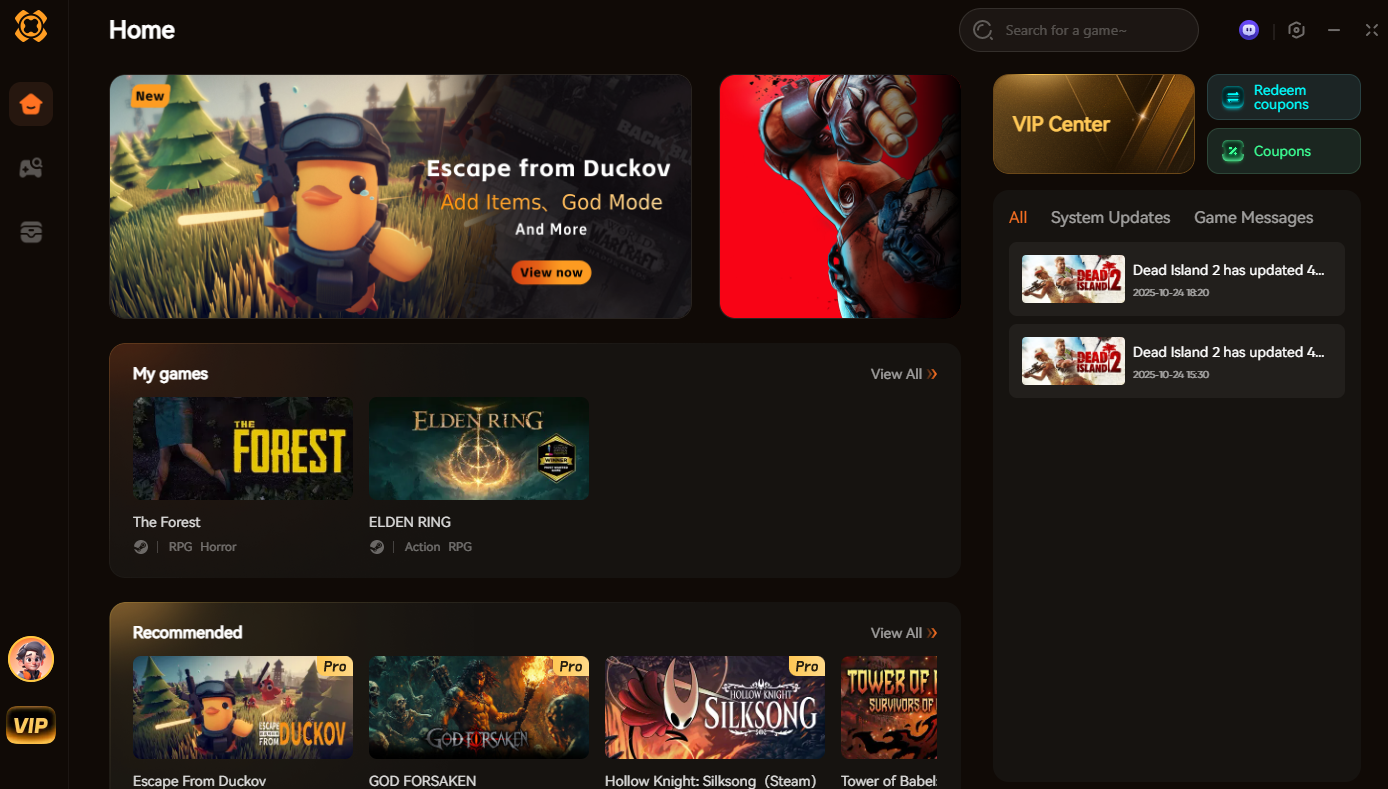
Getting started with XMODhub is incredibly simple:
常見問題
A: Yes. Carrying too much weight will significantly reduce your character’s movement speed and stamina regeneration. Always keep an eye on your weight-to-capacity ratio.
A: Focus on the “Warehouse Expansion” tech tree. While it seems expensive, the ROI on the ability to hold more high-value stock pays for itself within two in-game weeks.
A: Only if you are desperate for cash. If you have stable items, try to move them to a temporary storage unit if you have unlocked that feature, or prioritize selling low-margin items first.
A: Yes, it is located in the Logistics tab. You can set rules to automatically move items to specific zones, which prevents clutter and makes finding items much faster.
Final Verdict: Mastering the Warehouse
Managing your inventory in Thrifty Business is a rite of passage. It tests your ability to prioritize, plan, and execute under pressure. By moving away from the “hoarder” mindset and implementing the Just-In-Time supply model, you will find that space issues become a thing of the past. Remember, your warehouse is a tool, not a trophy room—keep it lean, keep it organized, and keep it profitable.
If you find that the mechanics are still getting in the way of your fun, remember that the XMODhub ecosystem is here to support your playstyle. With support for over 5,000 games—including massive titles like 賽博朋克 2077 和 Starfield—XMODhub is the ultimate companion for every serious PC gamer. Don’t let a “Full Inventory” notification end your session; take control, optimize your workflow, and dominate the market in Thrifty Business today.