
 胡凱琳
胡凱琳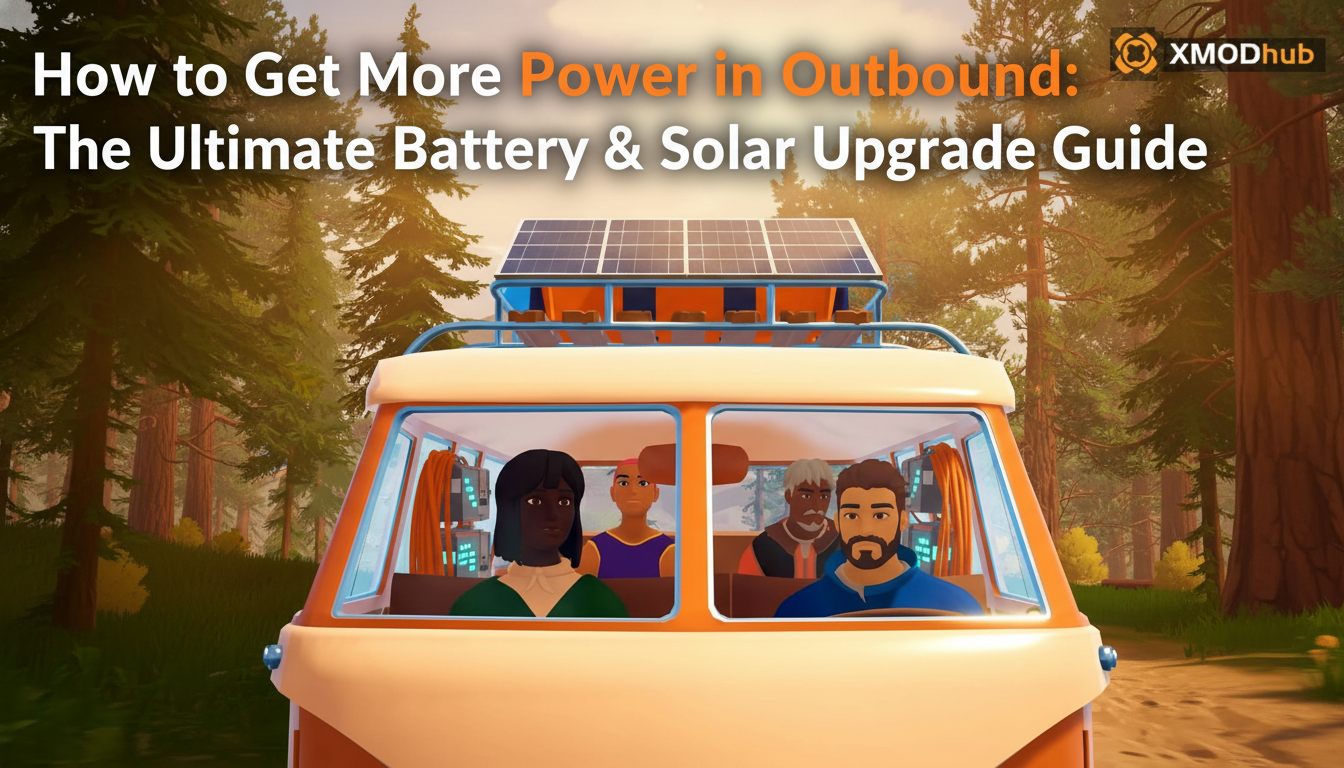
You are three hundred miles deep into the arid biome, the sun is dipping below the horizon, and your main inverter just flickered out. You watch in horror as your refrigerated supplies—your only source of health regeneration for the next two days—start to spoil. We have all been there. The early game of Outbound is a brutal lesson in thermodynamics, and if you do not master your electrical grid, you are essentially driving a mobile coffin. This guide is designed to stop that cycle of failure.
🔋 Editor’s Note: The Expert Perspective
Having clocked over 100 hours in Outbound since the 2024 expansion, I have stress-tested every electrical component in the game. From the efficiency drop-off of Tier 1 solar arrays in overcast weather to the optimal battery bank configurations for late-game base building, the advice below is based on raw data, not theory. If you want to stop micromanaging your power and start exploring, follow these protocols.
⚡ TL;DR: The Short Answer
If you are short on time and just need to keep the lights on, here is the quick-reference guide for power optimization in Outbound.
| 組件 | Primary Upgrade Path | Key Benefit |
|---|---|---|
| Solar Panels | Transition from Basic Thin-Film to High-Efficiency Monocrystalline | 200% higher generation per square meter. |
| Battery Bank | Upgrade Lead-Acid to Lithium-Ion (LiFePO4) | Faster discharge rates and zero maintenance. |
| Power Inverter | Install Heavy-Duty Inverters | Reduces “conversion loss” by 15% during peak loads. |
⚠️ Common Mistakes in Outbound Power Management
Before you start spending your hard-earned scrap on high-end components, let’s look at why your current system is failing. Most players in Outbound treat electrical systems like a “plug-and-play” appliance, but the game’s simulation engine is far more punishing.
1. The Shading Neglect
The most common rookie mistake is mounting solar panels flush against the roof of your campervan without considering the geometry of the surrounding environment. In Outbound, shadows are calculated dynamically. If you park under a cliff face or near dense foliage during the morning hours, your solar output drops by nearly 60% due to partial shading. Always prioritize roof placement with 360-degree clearance.
2. Ignoring Inverter Conversion Loss
Many players assume that a 1000W battery bank provides 1000W of usable energy. This is false. Every time your power passes through an inverter to run your appliances, you lose a percentage of that energy as “heat.” If you are using low-tier copper wiring and basic inverters, you are likely losing 20-25% of your total capacity to conversion inefficiency. Upgrading your inverter should always be your first priority before expanding your battery bank.
3. Improper Load Balancing
Connecting every appliance (fridge, water purifier, lights, crafting bench) to a single circuit is a recipe for a blackout. Outbound rewards players who build parallel circuits. If your heavy-draw crafting bench kicks on while your fridge is cycling, you will blow your main fuse. Always isolate your survival-critical systems from your convenience systems.
☀️ Mastering Solar Array Efficiency
Getting more power in Outbound is not just about having “more” panels; it is about having “better” panels. As you progress, you will unlock different tiers of solar technology. The jump from Thin-Film panels to Monocrystalline is the single biggest power spike you will encounter in the mid-game.
To maximize your solar intake, you must understand the “Angle of Incidence” mechanic. While the game does not force you to manually tilt panels every hour, the placement of your base relative to the equator of the map matters. In the northern regions of the Outbound map, your panels receive less direct sunlight. In these biomes, you should augment your solar array with vertical mounting options, which catch the lower-angle sun more effectively.
Furthermore, do not forget to maintain your equipment. Dust accumulation is a hidden mechanic in Outbound. If you have been traversing desert biomes, your panels will lose efficiency over time. Carrying a basic cleaning kit is not just for roleplay; it is an essential maintenance task that restores up to 15% of your daily power generation.
🔋 Battery Upgrades: The Capacity vs. Weight Dilemma
Once you have solved your generation issues, you need to store that power. This is where the “Capacity vs. Weight” dilemma comes into play. If you are building a nimble scouting vehicle, you cannot simply slap four massive Lead-Acid battery banks on the roof. The suspension physics in Outbound will make your vehicle handle like a brick.
Before diving deep into specific power management strategies, ensure your chassis is even capable of supporting these heavy upgrades by checking our comprehensive guide on Best Campervan Builds in Outbound: Layouts & Upgrades (2026). This guide covers how to reinforce your frame to carry heavy lithium-ion banks without sacrificing your off-road capabilities.
When upgrading your batteries, always prioritize Lithium-Ion (LiFePO4) technology. These batteries have a much higher energy density, meaning you get more watt-hours per kilogram. While they are expensive to craft, the weight savings allow you to carry more fuel, food, and water, effectively increasing your range and survival duration.
📊 The Appliance Power Priority Matrix
Not all devices are created equal. When your power grid is struggling, you need to know exactly which devices to cut first. Use this hierarchy to manage your limited energy budget efficiently.
| Device | Priority Level | Optimization Strategy |
|---|---|---|
| Fridge/Cooler | Critical | Never shut off; upgrade insulation first. |
| Water Purifier | 高 | Run only during peak solar hours (10 AM – 2 PM). |
| Crafting Bench | Conditional | Only power when actively crafting; use manual switches. |
| Lights/Decor | 低 | Shut off completely when away from the base. |
🚨 Emergency Troubleshooting: Why Did My Grid Fail?
Experiencing a sudden blackout? Before you tear down your entire electrical setup, run through this diagnostic checklist to identify the specific bottleneck in your system. Most failures are caused by simple oversights rather than mechanical bugs.
🌬️ Alternative Power Generation Methods
Solar is reliable, but it is not the only way to get power. In the late game, you should look into hybridizing your electrical grid.
1. Wind Turbines
Wind turbines are often overlooked by players who focus solely on solar. While they are useless in caves or dense forests, they provide 24/7 power in open plains and coastal biomes. A single turbine can act as a “trickle charger,” keeping your batteries topped off throughout the night when your solar panels are dormant.
2. The Generator Loop
For those who love to craft, the portable generator is a must-have. It runs on biofuel, which is renewable if you set up a simple farming plot for organic waste. Using a generator as a backup system—triggered only when your battery bank hits 20%—is the hallmark of an advanced player. It prevents the catastrophic failure of your fridge and oxygen systems.
🔧 Advanced Electrical Engineering Tips
If you want to truly master the power grid in Outbound, you need to start thinking like an engineer. Here are three advanced tips that separate the casuals from the veterans:
🚀 The XMODhub QoL Solution
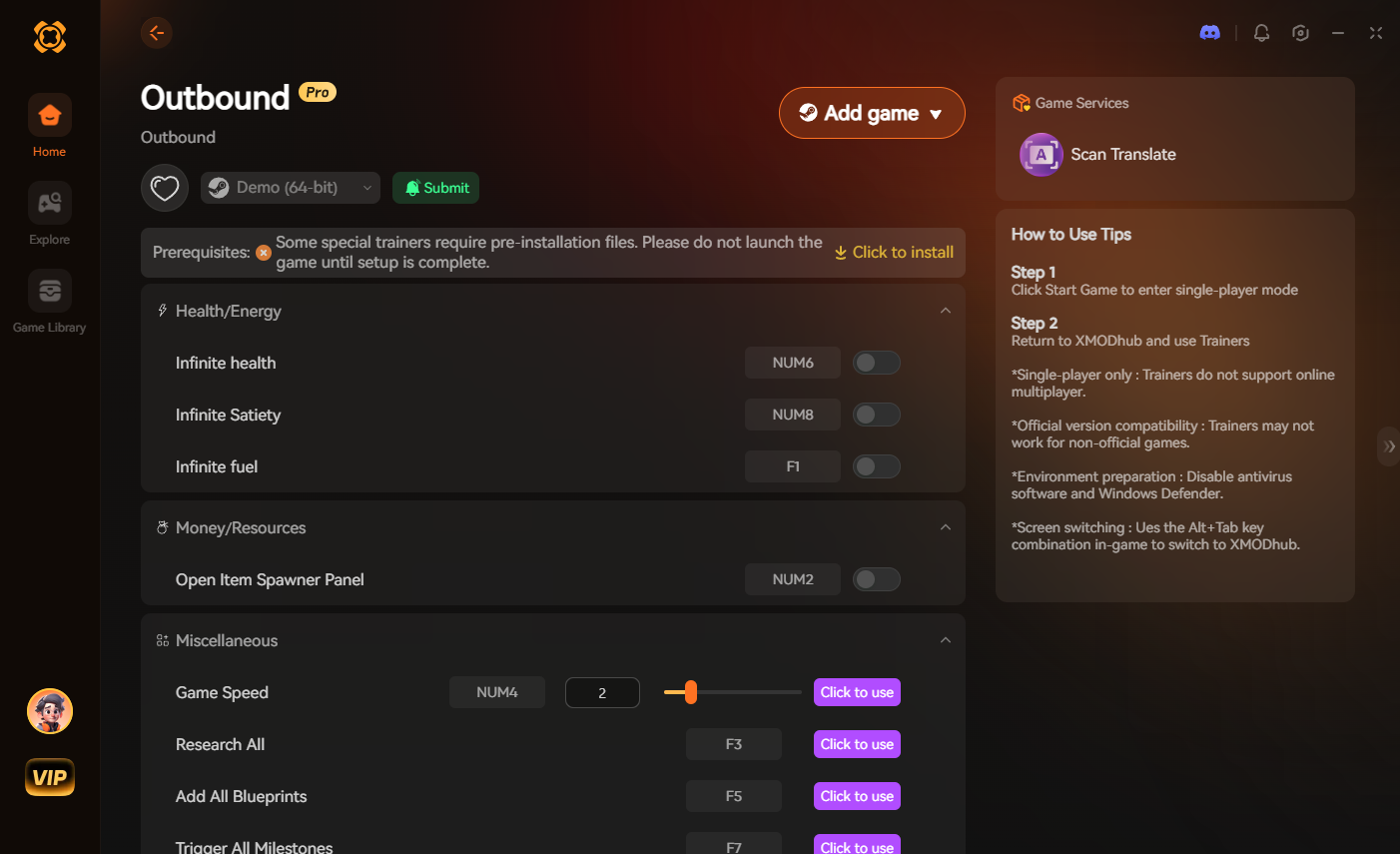
We all love the survival struggle, but let’s be honest: sometimes the grind for rare materials to upgrade your power grid in Outbound feels less like gameplay and more like a second job. If you find yourself spending 20 hours just to craft a single Tier 3 battery, it might be time to use XMODhub. XMODhub offers a way to bypass the tedious resource collection, allowing you to focus on the fun parts of the game—exploration and building.
Whether you want infinite resources to test out the ultimate solar array or you want to boost your battery capacity to maximum levels instantly, XMODhub has you covered. It is the perfect tool for players who want to experiment with builds without the artificial time gates.
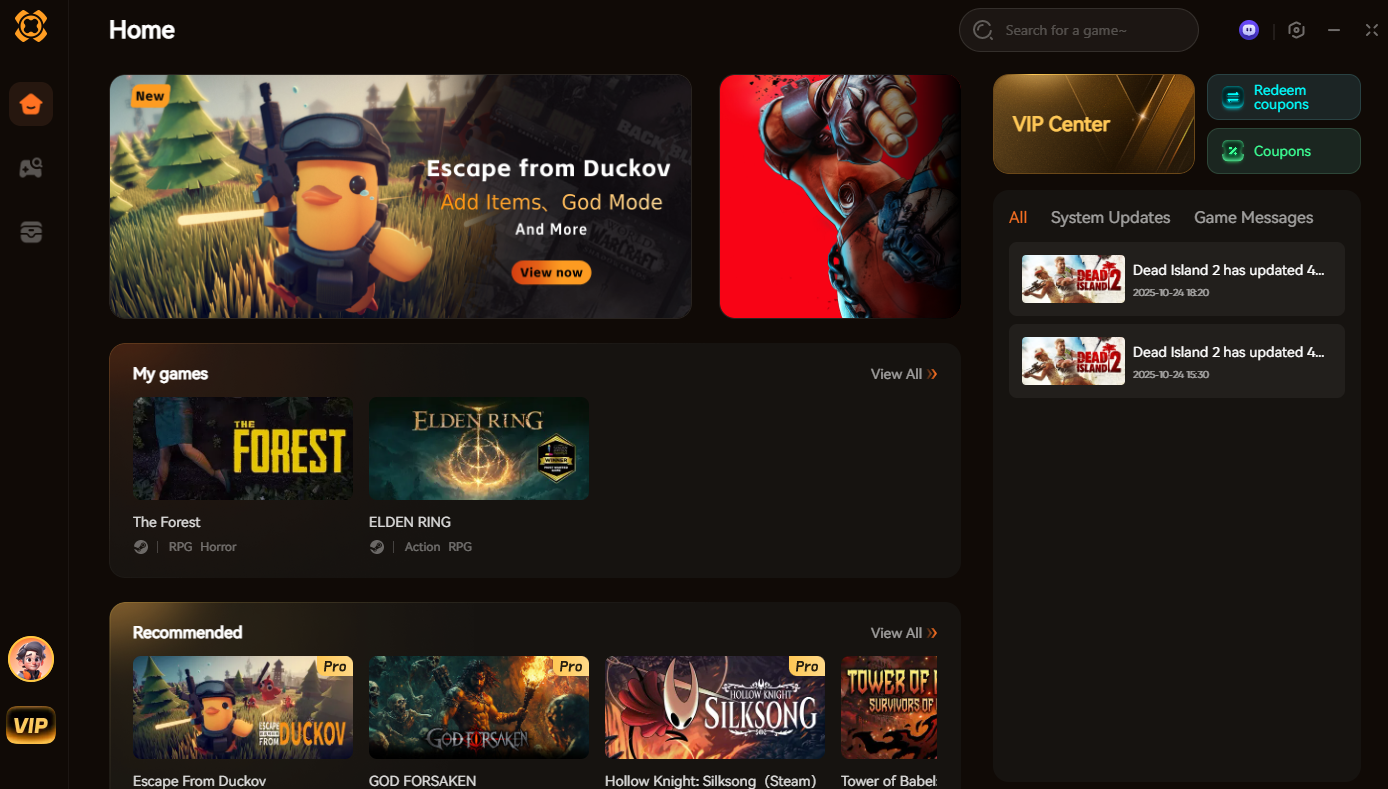
How to get started with XMODhub:
💬 Frequently Asked Questions
A: Absolutely. Solar power follows a bell curve. Peak generation occurs between 10:00 AM and 2:00 PM. Before and after these times, your efficiency drops significantly. Plan your heavy crafting tasks for midday.
A: Yes, but only if you have the materials to spare. The experimental panels provide a massive boost, but they have a higher “failure rate” during storms. Keep a repair kit handy if you choose this route.
A: Yes, and you should. The game engine automatically sums the input from all sources. Combining wind and solar is the most effective way to ensure 24/7 power.
A: Check your inverter capacity. If your total appliance load exceeds the inverter’s maximum output, it will trigger a safety shutdown, even if the battery is full. You need to upgrade your inverter to handle the load.
🌟 Final Verdict: Powering Your Outbound Adventure
Mastering the power grid in Outbound is the gateway to late-game freedom. By moving away from basic setups and investing in efficient solar arrays, high-capacity lithium batteries, and smart load management, you stop fighting the environment and start conquering it. Remember that your electrical system is the lifeline of your campervan; treat it with the respect it deserves.
If the grind becomes too much, remember that XMODhub is always there to help you skip the tedious parts. With support for over 5,000+ games—including survival titans like Subnautica 和 Slime Rancher 2—XMODhub is an essential part of any modern gamer’s toolkit. Stop struggling with low-power issues and start building the ultimate mobile base today.

 南希-米勒
南希-米勒