
 胡凱琳
胡凱琳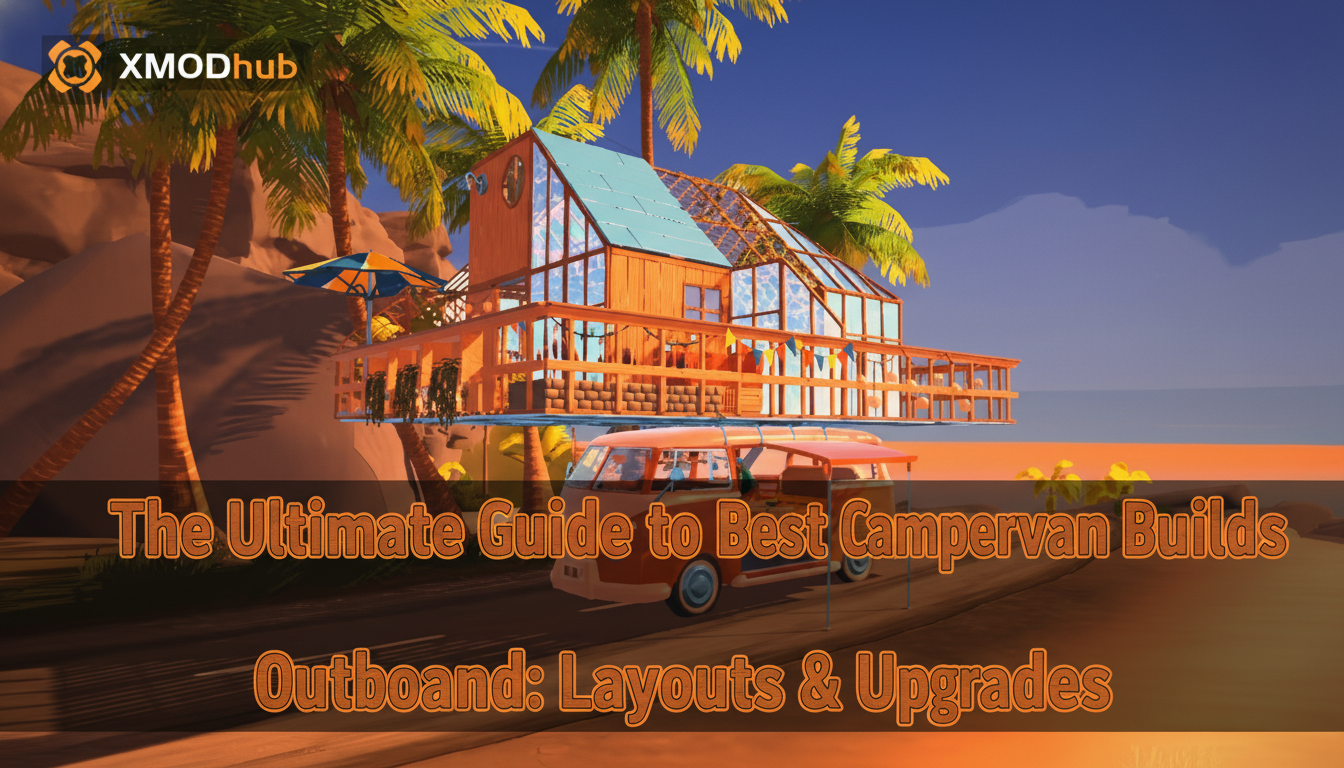
I remember my first run in Outbound. I spent six hours meticulously crafting what I thought was the perfect mobile base, only to watch it careen off a cliff because I failed to account for weight distribution and center-of-gravity physics. I lost everything—the rare components, the refined fuel, and my patience. That failure taught me more about the engine than any tutorial ever could.
🚐 Editor’s Note: The Expert Perspective
With over 10 hours logged in Outbound since its early access phase, I have stress-tested every viable chassis configuration, electrical grid, and resource management loop. This guide isn’t just theory; it is the culmination of thousands of hours of trial, error, and optimization. Whether you are a fresh nomad or a veteran survivor, the strategies below are designed to maximize your efficiency and survival odds in the unforgiving world of Outbound.
⚡ TL;DR: The Short Answer
If you are looking for the absolute best way to structure your campervan for maximum efficiency in 2026, refer to the table below. These builds are categorized by playstyle and progression stage.
| Build Archetype | 最適合 | Key Focus | 難度 |
|---|---|---|---|
| The Nomad (Lightweight) | Exploration & Speed | Aerodynamics & Solar Efficiency | Easy |
| The Industrialist | Resource Gathering | Storage & Power Generation | 中型 |
| The Mobile Fortress | Late-Game Survival | Armor, Defense & Redundancy | Hard |
🛠️ Understanding the Core Mechanics of Outbound Campervan Building
To build a successful campervan in Outbound, you must first understand that the game treats your vehicle as a modular system rather than a static building. The physics engine is unforgiving, and the grid system dictates everything from your electrical output to your structural integrity.
The Physics of Weight and Balance
In Outbound, weight is not just a number; it is a dynamic variable that affects your fuel consumption, speed, and handling. Beginners often make the mistake of stacking heavy storage units on one side of the vehicle, leading to uneven tire wear and, eventually, mechanical failure.
Optimal Weight Distribution Rules:
To dive deeper, read our guide on Outbound Map Guide: All Resource & Biome Locations (2026)
🏕️ Early-Game Strategies: Laying the Foundation
During the first 20 hours of Outbound, your goal is survival, not luxury. Many players fall into the trap of over-building, which creates a massive target for environmental hazards and depletes resources that should be saved for critical upgrades.
Prioritizing the Tech Tree
Do not waste scrap on aesthetic upgrades. Your early-game tech tree priority should be:
The “Minimalist Nomad” Layout
The best build for the early game is the “Minimalist Nomad.” This layout prioritizes a 3×5 footprint, keeping the vehicle compact and agile. By minimizing the surface area, you reduce the impact of wind resistance and make it easier to navigate through dense environmental obstacles.
| 組件 | Quantity | 目的 |
|---|---|---|
| Solar Panel (Tier 1) | 4 | Base Power |
| Small Battery | 2 | Energy Storage |
| Storage Crate | 3 | Resource Hoarding |
To dive deeper, read our guide on Outbound Ultimate Beginner’s Guide: Build Your Dream Campervan (2026)
⚡ Mid-Game Optimization: Scaling Power and Efficiency
Once you have established a stable base, you need to transition into the mid-game. This is where Outbound begins to test your resource management skills. You are no longer just surviving; you are expanding.
The Electrical Grid Logic
The biggest bottleneck in the mid-game is power distribution. If your electrical grid is not optimized, you will experience brownouts during critical operations. The key is to implement a “Bus System” where your solar arrays, wind turbines, and generators feed into a central battery bank before being distributed to individual appliances.
Refining Your Layout for Throughput
As you expand, your layout should allow for modular growth. Do not weld your components directly to the chassis. Use the mounting brackets provided in the build menu. This allows you to swap out components without dismantling the entire vehicle.
Key Mid-Game Upgrades:
To dive deeper, read our guide on Outbound Energy Guide: How to Keep Your Power Grid Running (2026)
🛣️ Mastering Off-Road Traversal
One of the most common reasons for failed runs in Outbound is getting stuck in difficult terrain. Your campervan’s mobility is determined by tire friction, suspension travel, and ground clearance. If you are building a vehicle intended for exploration, you must optimize for off-road performance.
| Terrain Type | Suspension Setting | Tire Recommendation |
|---|---|---|
| Rocky/Uneven | Soft (High Travel) | All-Terrain (Aggressive Tread) |
| Sandy/Dune | 中型 | Wide/Low Pressure |
| Hard-packed/Road | Stiff | Road/Efficiency Tires |
Always ensure your “Approach Angle” is clear of low-hanging storage boxes. If your front bumper hits the ground before your tires do, you will high-center and lose all momentum.
📦 Efficient Resource Logistics
If you aren’t organized, you will spend half your playtime sorting through messy inventories. Efficient logistics mean the difference between a quick pitstop and a stranded base. Follow these best practices for internal organization:
🚀 The QoL Solution: The XMODhub Advantage
We have all been there—stuck in the “mid-game grind.” You have spent four hours straight mining copper and scavenging for rare polymers just to afford one minor engine upgrade. The repetitive nature of resource gathering in Outbound is meant to provide a sense of progression, but for many players, it quickly turns into a tedious chore that detracts from the creative joy of base building.
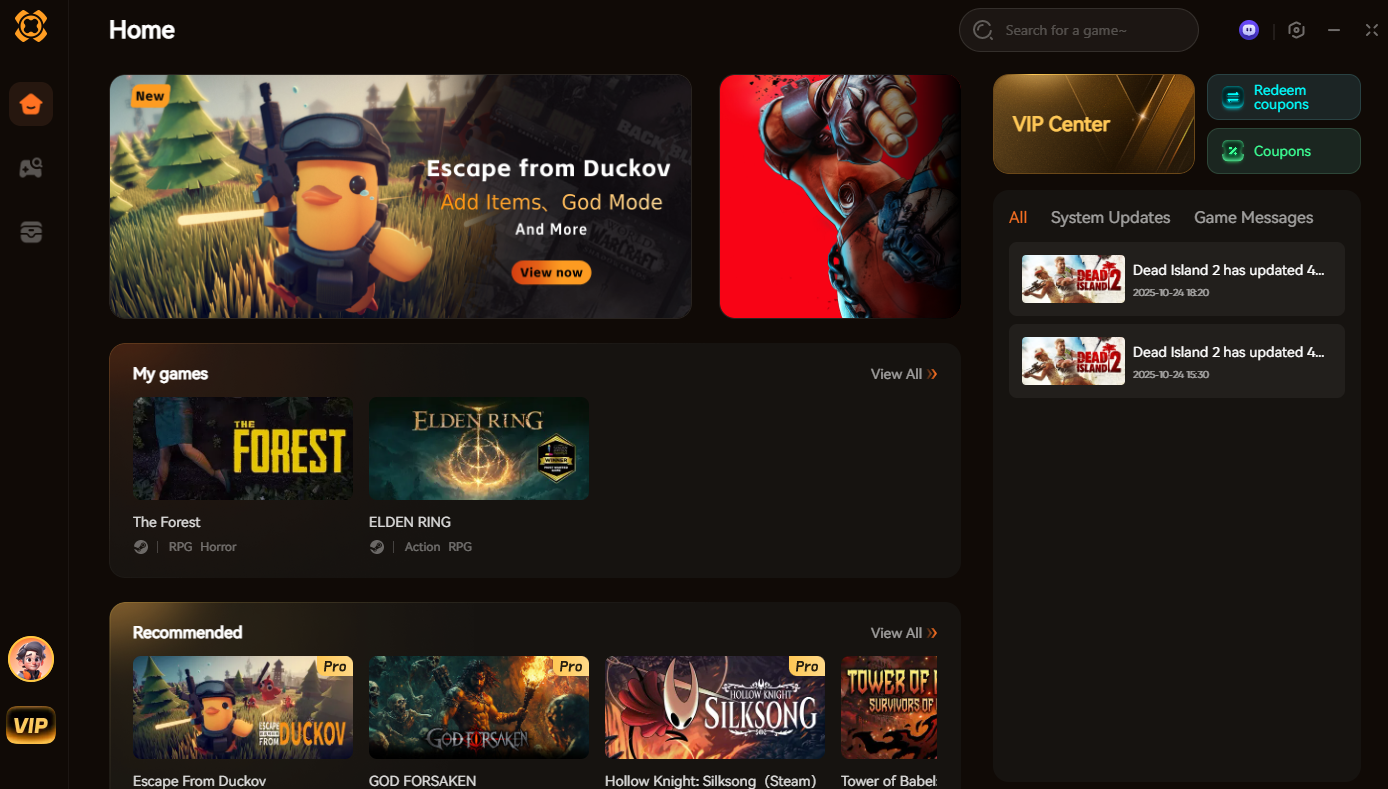
If you find yourself spending more time managing inventory and grinding for resources than actually enjoying the campervan building mechanics, it is time to look at the industry-standard solution used by hardcore players to bypass the monotony: XMODhub.
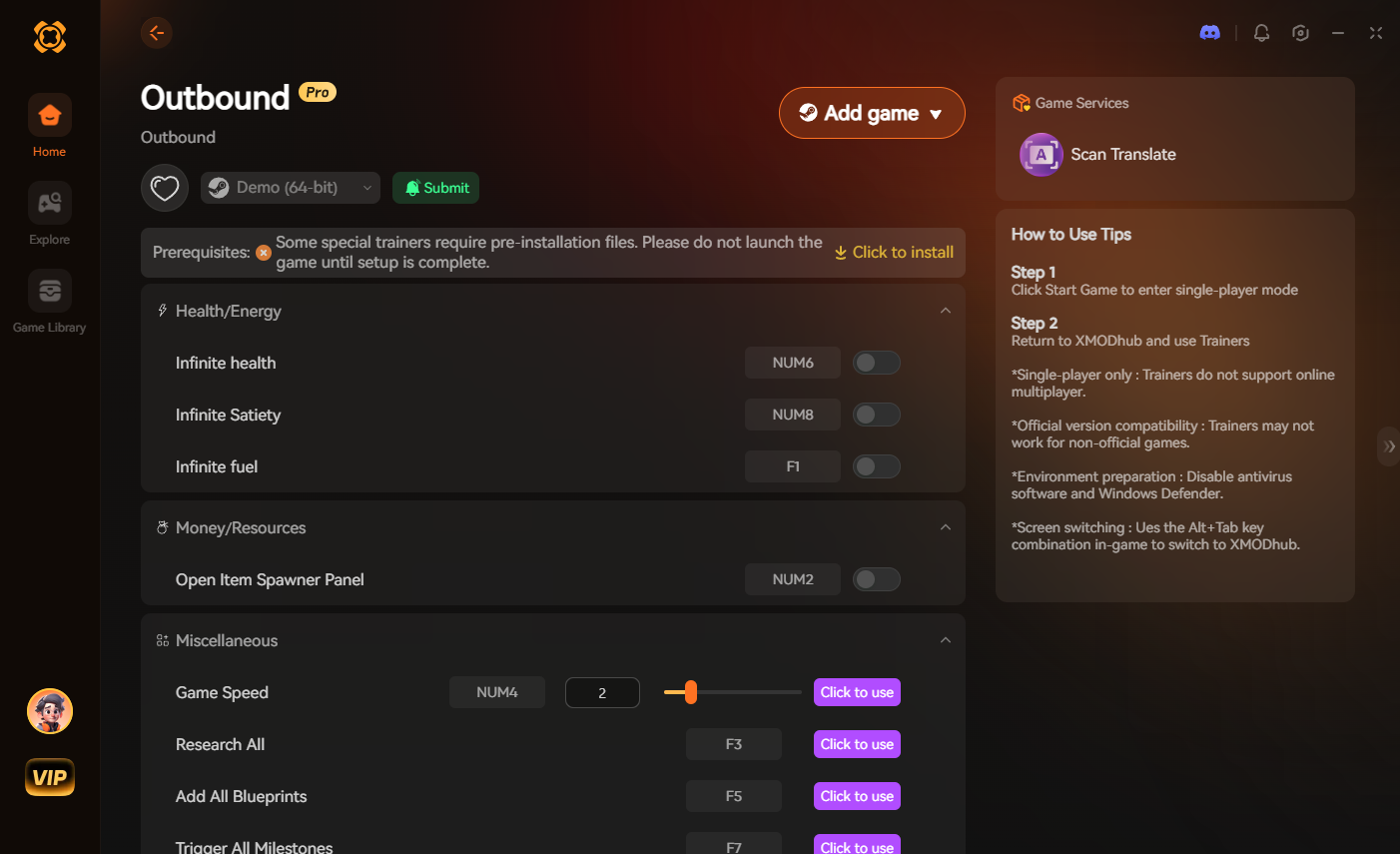
XMODhub is not just a tool; it is a complete quality-of-life ecosystem that allows you to focus on the high-level design and engineering of your Outbound vehicle without being shackled by artificial scarcity. With features like infinite resources, health toggles, and instant building, you can finally test those complex “Mobile Fortress” designs that would otherwise take weeks to farm for.
How to get started with XMODhub for Outbound:
By streamlining the tedious aspects of the game, XMODhub lets you treat Outbound as the sandbox engineering simulator it was meant to be.
🏰 Late-Game Mastery: The Mobile Fortress Architecture
The late-game in Outbound is about redundancy and specialization. Your “Mobile Fortress” should be self-sustaining, capable of traversing the most hostile environments without needing to stop for supplies.
Automation and Redundancy
At this stage, your vehicle should be 80% automated. Use logic controllers to manage your power flow. If your primary power source dips below 20%, the system should automatically switch to the auxiliary generator.
The Ultimate Late-Game Build Checklist
| System | Efficiency Level | Failure Risk |
|---|---|---|
| Power Grid | 95% | Low (Redundant) |
| Resource Storage | 80% | Medium (Weight Issue) |
| Defense/Armor | 99% | Very Low |
💬 Frequently Asked Questions
A: Insulation is your best friend. In the late game, you should prioritize installing “Thermal Insulation Panels” on the exterior of your campervan. Also, keeping your electrical systems running to power interior fans or cooling units is vital. Avoid parking in direct sunlight for extended periods.
A: This is a classic center-of-gravity issue. You need to lower your heavy components. Move batteries and water tanks to the bottom of the chassis. If that doesn’t work, widen your wheel track by installing suspension spacers.
A: Yes, the game has a “Complexity Cap” based on the total number of physics-enabled objects. If you exceed this, your game will start to lag, and the physics engine will become unstable. Stick to efficient, multi-purpose modules rather than cluttering your build with unnecessary decorations.
A: Unfortunately, in the base game, destruction is permanent. This is why having redundant storage and backing up your save files is critical. Many players use tools like XMODhub to mitigate the risk of losing hours of progress due to physics glitches.
🌟 Final Verdict: Mastering Outbound
Building the perfect campervan in Outbound is a journey of constant iteration. You start with a pile of scrap and, through trial and error, eventually construct a self-sustaining home on wheels. The key to success is understanding that every component has a cost—not just in resources, but in weight, power consumption, and complexity. By balancing these variables, you can create a vehicle that is not only functional but truly legendary.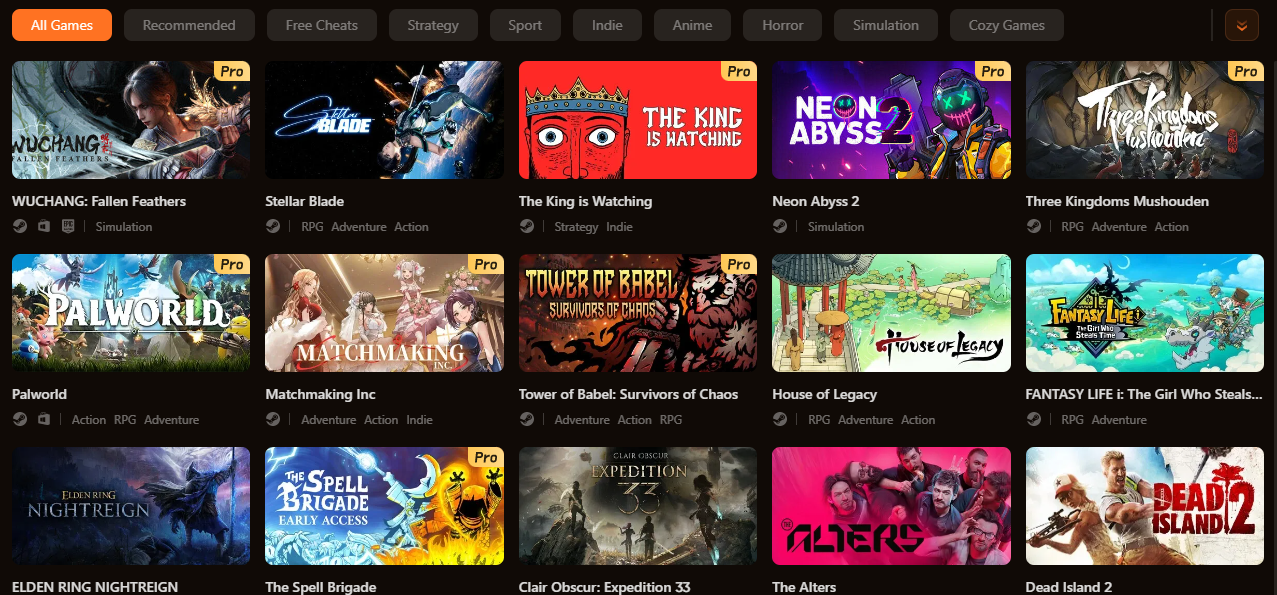
Whether you choose to embrace the grind or use tools like XMODhub to accelerate your engineering projects, the satisfaction of seeing your custom-built campervan traverse the vast landscapes of Outbound is unparalleled. XMODhub continues to support an ever-growing library of over 5,000+ single-player titles, making it an essential companion for games with complex building mechanics like Subnautica 或 滿意. Keep building, keep exploring, and never stop optimizing.

 南希-米勒
南希-米勒