
 Nancy Miller
Surviving the Town in Pathologic 3 isn’t just about managing your hunger meter—it’s a grueling survival game experience where knowing exactly where to be when the clock strikes is the difference between life and death. With time constantly ticking down and resources scarcer than ever, wandering aimlessly is a death sentence. This guide breaks down the static layout of the town, identifies the dynamic loot hotspots, and shows you how to optimize your scavenging routes to stay one step ahead of the plague. Honestly, I got stuck in a death loop on Day 3 just because I couldn’t find a working water pump, so let’s make sure that doesn’t happen to you.
Key Takeaways
- Map Logic – The town layout is static, but loot containers are dynamic and randomized.
- Critical Zones – Specific districts yield higher rates of food, medicine, or hardware.
- Time Savers – Using dynamic mapping tools can cut scavenging time by half.
- Safety First – Learn to read visual cues to avoid deadly infection zones while looting.
Let’s break down the details below.
Navigating the Pathologic 3 Resource Map
Understanding the geography of the Town is the first step to survival. Unlike typical open-world games where resources are evenly distributed, Pathologic 3 uses a distinct socio-economic logic for its districts.
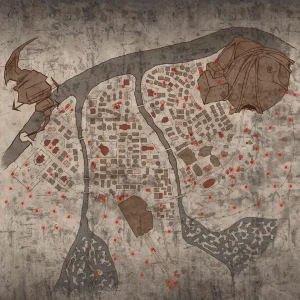
Understanding District Layouts in Pathologic 3
The Town is roughly divided into three key areas: The Earth, The Knots, and The Stone Yard. The Earth, located in the industrial outskirts, is your go-to for raw materials and hardware but lacks food. The Knots form the residential heart, offering the highest density of grocery stores and pharmacies. The Stone Yard, home to the ruling families, is sparse on lootable containers but contains high-value quest items. Memorizing which district provides which resource is crucial for planning your daily route.
Static vs Dynamic Pathologic 3 Map Locations
It’s vital to distinguish between what stays and what changes. Shops, water pumps, and key NPC houses are static—they will always be in the same coordinates every playthrough. However, trash bins, cupboards, and loose loot are dynamic. A bin that contained a loaf of bread yesterday might be empty or contain only a broken needle today. Your map markers should focus on static infrastructure, while your looting strategy must remain flexible.
Identifying Infection Zones on the Map
Infection zones move daily. You can identify them on your map by the dark, bruised coloration spreading across districts. Inside these zones, the air itself is dangerous, and looting becomes a risk-reward calculation. While these areas often contain abandoned houses with high-tier loot, entering them without protective gear or immunity boosters is often fatal.
The River and Bridges: Strategic Choke Points
The Gorkhon River bisects the town, creating natural bottlenecks. Bridges are often patrolled by guards or blocked by infection clouds. A crucial part of your resource map is marking the locations of the ferrymen. While they charge a fee—often fingernails or coins—using a ferry is instantaneous and safe, whereas crossing a bridge might expose you to the plague or bandits. Always keep enough currency for one emergency crossing to avoid getting trapped on the wrong side of town when night falls.
Where Are the Best Pathologic 3 Item Locations?
Scavenging efficiently means knowing exactly where to look for specific needs. Here is a breakdown of resource availability by district type:
Finding Pharmacies and Groceries in Pathologic 3
Shops are your lifeline, but their stock depletes. The most reliable pharmacies are located near the Bridge Square and the Cathedral. Grocery stores are clustered in the central residential blocks. Always check the map for the “Open” sign before traveling; shops close at night or may be boarded up if the district is infected.
Locating Hidden Caches in the Town
Children in the game hide stash boxes in obscure places—hollow trees, under staircases, or in abandoned lots. These caches often contain rare trade items like needles, nuts, or even shmowders. Unlike standard containers, these are often missed by casual players but are essential for high-tier bartering.
Safe Water Sources in Pathologic 3
Water is currency as much as it is survival. Pumps break down randomly. It is critical to map out a route that hits at least three pumps to ensure you can fill your bottles. If a pump is dispensing brown water, do not drink it—it is infected. Use it only for brewing antibiotics if you have the right equipment.
The Warehouses: High Risk, High Reward
Located in the industrial district of The Earth, the Warehouses are often ignored by new players looking for food. This is a mistake. While you won’t find bread here, these buildings are dense with “junk” items like gears, springs, and kerosene. These industrial goods have the highest barter value with factory workers. A single successful run through a warehouse can yield enough trade goods to buy out a grocery store’s stock of canned meat, making it a vital detour in your resource loop.
Unlock a Dynamic Resource Map with XMODHUB
The biggest challenge in Pathologic 3 is the lack of information. You don’t know which bin has food and which is empty until you waste precious minutes searching it. XMOD’s trainer solves this by turning your screen into a dynamic resource map, highlighting loot and dangers in real-time.
⏱️ Item ESP
Visualizes valuable items through walls, letting you see exactly which houses are worth looting without entering.
❤️ Container Radar
Highlights all lootable containers on your HUD, distinguishing between empty and full bins to save time.
📈 Infection Immunity
Prevents infection buildup, allowing you to explore dangerous zones to map out the plague’s spread safely.
💰 Infinite Hunger
Freezes your hunger meter so you can focus entirely on exploration and mapping without the constant need for food.
These featured mods are just the beginning. Whether you’re looking to skip tedious grinding, experiment with different playstyles, or speed up your progression, XMOD’s comprehensive toolkit offers dozens more options tailored to your playstyle.
How the Tool Reveals Pathologic 3 Loot
The ESP (Extra Sensory Perception) feature overlays a visual indicator on every lootable object within a set radius. Instead of checking every drawer in a house, you can instantly see which ones contain items. This transforms the game from a slow container-opening simulator into a strategic routing puzzle.
Customizing Your Loot Radar
You can filter the ESP to show only what you need. Desperately low on immunity boosters? Set the filter to “Medicine” to ignore trash loot. Starving? Toggle “Food” to light up every kitchen cupboard in the district. This level of customization allows you to create a personalized resource map on the fly.
Visuals/ESP
- Item ESP (See items through walls)
- Container Glow (Highlight lootable bins)
- NPC Radar (Locate key characters instantly)
Survival Stats
- Infinite Health (God Mode)
- No Hunger/Thirst (Survival simplified)
- Zero Infection (Immunity lock)
Why Is My Pathologic 3 Survival Guide Failing?
Even with a map, players often fail because of inefficiency. The game is designed to punish wasted time.
Wasting Time on Empty Containers
Searching every single trash bin is a rookie mistake. The probability of finding valuable loot in a standard bin is low. Focus on high-probability containers like cupboards in houses or trade with children, who often offer better rates than the random loot generation allows.
Getting Trapped in Infection Zones
Route planning must account for infection spread. A direct path through an infected district might save 2 minutes of walking but cost you 30% of your immunity and a valuable pill. Always curve your path around the infection unless you have a specific target inside.
Ignoring Barter Opportunities with NPCs
Looting isn’t the only way to get resources. The barter system is often more efficient. Collecting “junk” like needles, safety pins, and nuts allows you to trade for food and medicine with townsfolk. Your map markers should include high-traffic areas where NPCs gather, as these are mobile trading posts.
Poor Inventory Management
Pathologic 3 uses a grid-based inventory where every square centimeter matters. Hoarding broken items “just in case” is a fatal error. Effective inventory management means making hard choices. If an item cannot be eaten, used for a cure, or traded within the next hour, drop it. Your pockets should be reserved for high-value trade goods and immediate survival necessities, not trash.
Is the Pathologic 3 Resource Map Randomized?
Yes and no. The architecture is fixed, but the contents are subject to RNG (Random Number Generation).
How RNG Affects Pathologic 3 Loot
When the day begins at 7:30 AM, the game refreshes the loot tables. A house you completely stripped of resources yesterday might have new items today, or it might remain empty. This reset mechanic encourages re-visiting safe houses but makes relying on a single “loot spot” dangerous.
Adapting Routes for Daily Changes
Your daily route should be a loop that covers a pharmacy, a grocery store, and a water pump, with flexible detours for looting. If you find a district is particularly rich in loot one day, mark it mentally, but don’t expect it to last forever. Adaptability is your greatest asset.
Pathologic 3 Resource Map FAQ
Ready to enhance your gameplay?

I create content for Xmodhub, where I curate and share game mods, tools, and other resources. My goal is to help players discover great add-ons, enjoy a smoother experience, and have more fun.




 Catherine Hu