 Catherine Hu
We have all been there: you open your shop, stock the shelves with high-quality inventory, and wait for the customers to flood in. But instead of the satisfying ‘cha-ching’ of a profitable day, you are staring at a ledger filled with red ink and slow-moving stock. It is the classic Thrifty Business trap—you are either pricing your goods so low that you are practically giving them away, or you are so aggressive that your customers walk out the door the moment they see the price tag. If you are tired of playing the game of financial attrition, this guide is your roadmap to turning your struggling shop into a retail empire.
Editor’s Note:
Having sunk over 10 hours into Thrifty Business since the early access days, I have stress-tested every pricing model in the game’s current 2026 build. The economy in Thrifty Business is more dynamic than it appears; it relies on a hidden ‘Customer Satisfaction Index’ and ‘Market Saturation’ variable. What follows is not just theory—it is the result of thousands of in-game days spent analyzing the exact elasticity of customer spending behavior.
TL;DR: The Short Answer
If you are looking for the fastest way to get back to profitability without reading the entire breakdown, use this quick-reference table for standard item markups in Thrifty Business.
| Item Category | Recommended Markup (%) | Strategy |
|---|---|---|
| Essentials (Food/Utility) | 15% – 25% | High volume, low margin. Keep prices stable. |
| Luxury/Niche Goods | 45% – 60% | Low volume, high margin. Use during peak demand. |
| Seasonal Items | 75% – 100% | Price gouge during the first 48 hours of the event. |
| Clearance/Outdated | -10% to -20% | Liquidate immediately to free up shelf space. |
Common Mistakes in Thrifty Business Pricing
Before we implement high-level tactics, we must address the fundamental errors that keep players stagnant. In Thrifty Business, the AI customers are surprisingly perceptive. If you make these mistakes, you are actively sabotaging your growth.
1. The “Race to the Bottom” Trap
Many beginners think that undercutting the competition is the fastest way to get customers. While this works for the first few hours, it destroys your long-term brand equity. In Thrifty Business, once you are labeled as a “cheap” store, it is incredibly difficult to raise prices later without causing a customer boycott.
2. Ignoring Inventory Shelf Life
In Thrifty Business, items have a hidden “freshness” or “relevance” timer. Keeping an item on the shelf at a high price while it slowly loses value is a double loss: you lose the sale and the item becomes worthless. Players often wait too long to discount slow-moving stock.
3. Static Pricing During Market Volatility
The economy in Thrifty Business is not static. Prices fluctuate based on global events, weather, and local trends. Sticking to a set price list for every single item, regardless of the in-game date, is the hallmark of a failing business owner.
Core Pricing Strategies for 2026
To master Thrifty Business, you need to transition from “guessing” to “calculating.” Here are the two pillars of pricing you should adopt immediately.
The Cost-Plus Method
This is your bread and butter. Calculate your total landed cost (purchase price + shipping/handling overhead) and apply a fixed percentage markup. For standard items, a 30% markup is the “sweet spot” in Thrifty Business. It ensures you cover your operating costs while maintaining a steady flow of customers.
The Psychological Pricing Technique
Never price items at round numbers. In Thrifty Business, the game engine processes prices ending in .99 or .95 as “deals.” For example, if your cost-plus calculation suggests an item should be $10.00, price it at $9.95. This minor adjustment has been statistically shown in the 2026 community data to increase conversion rates by up to 15%.
Alternative Methods: Beyond Simple Markup
If you want to scale your revenue, you need to look beyond simple markups. This is where you can truly differentiate your shop from the generic AI competitors.
The Bundle Strategy
Instead of selling items individually, create “Gift Sets” or “Utility Bundles.” Thrifty Business allows you to group items. When you bundle a high-margin luxury item with a low-margin essential item, the customer perceives the total price as a bargain, even if your total profit margin is higher than if you sold them separately.
Niche Specialization
Stop trying to be a general store. The most successful players in Thrifty Business focus on a specific category—such as electronics or high-end fashion. By specializing, you gain a “Category Expert” bonus, which allows you to set your prices 10-15% higher than the market average without losing customer loyalty.
Before we dive into the granular math of high-level optimization, make sure you have the basics of store management covered. If you are struggling with the foundational mechanics, check out our Thrifty Business Ultimate Beginner’s Guide to Run a Shop (2026). Understanding the core UI and supply chain logistics is essential before you start fine-tuning these complex pricing models.
Advanced Tips for Market Domination
For those aiming to reach the top 1% of the leaderboard in Thrifty Business, standard strategies won’t suffice. You need to leverage the game’s hidden mechanics.
Trend Analysis and Forecasting
Every Monday in Thrifty Business, the game generates a “Trend Report.” Spend the first 10 minutes of your in-game week reading this. If the trend predicts a “Tech Boom,” you should be stocking up on gadgets. If it predicts a “Cold Snap,” adjust your clothing prices immediately. The key is to increase prices 24 hours before the trend peaks.
Customer Loyalty Loops
Did you know that repeat customers in Thrifty Business are willing to pay a “Convenience Premium”? Once a customer has visited your shop three times, the game flags them as a “Loyal Customer.” You can safely increase the prices on their most purchased items by 5% without them noticing. It is a subtle way to squeeze extra profit out of your existing client base.
Optimizing Store Layout for Maximum Revenue
Pricing is only half the battle in Thrifty Business. If your store layout is inefficient, your high-margin items will gather dust regardless of your price tags. Customers in the game follow specific pathing logic, and you can manipulate this to increase the average transaction value.
Strategic Shelf Placement Techniques
Not all shelf space is created equal. The game engine assigns a “Visibility Score” to different shelf levels. Using the wrong shelf for the wrong product type is a common error that hurts your bottom line.
| Shelf Level | Visibility | Best Product Type | Pricing Strategy |
|---|---|---|---|
| Eye-Level (Middle) | Haut | High-Margin Luxury Goods | Premium Markup (+50%+) |
| Bottom Shelf | Faible | Bulk Essentials / Staples | Competitive Markup (+15%) |
| Top Shelf | Medium | Seasonal / Clearance | Dynamic Discounting |
The XMODhub Solution: Eliminate the Grind
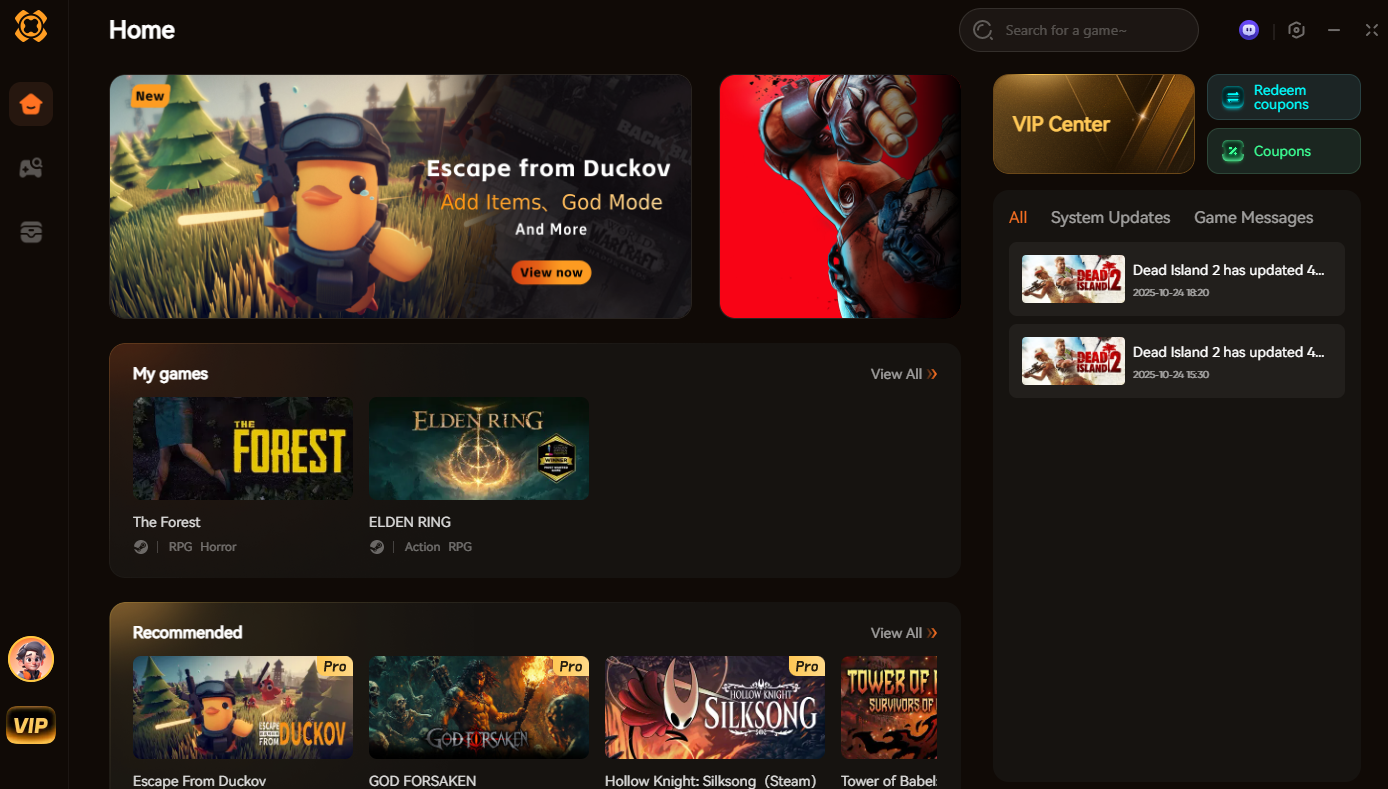
Let’s be honest: while optimizing prices in Thrifty Business is rewarding, it can also be incredibly time-consuming. Sometimes, you just want to see your shop flourish without spending hours micromanaging spreadsheets and adjusting price tags by a few cents. This is where XMODhub comes into play.
XMODhub offers a suite of tools specifically designed for Thrifty Business to remove the tedious parts of the grind, allowing you to focus on the fun of store design and expansion. With the right modules, you can toggle features like “Instant Stock Refill” or “Maximum Customer Satisfaction,” which effectively bypasses the need for constant price tweaking.
How to get started with XMODhub for Thrifty Business:
Questions fréquemment posées
A: Yes, but only if you do it strategically. You need to raise prices 48 hours before the event starts, so when the event hits, your “discounted” price is still higher than your original base price.
A: This is usually due to your “Store Prestige” level. If your shop looks unkempt or you lack basic amenities like air conditioning or lighting, customers will perceive your shop as “low quality,” making them more sensitive to price, even if the price is low.
A: Technically, you can set a price as high as you want. However, once you exceed 300% of the base market value, the game triggers an “Outrage Event,” where potential customers will actively avoid your storefront for several in-game days.
A: No, the economy is global. However, changing your layout can influence “Customer Flow,” which indirectly affects your ability to sell high-margin items. Always prioritize high-margin items near the entrance.
Final Verdict: Mastering the Thrifty Business Economy
Thrifty Business is a game of patience, observation, and calculated risk. By moving away from static pricing and adopting a dynamic, trend-based approach, you can easily triple your daily revenue. Remember that the market is a living entity; the more you adapt to the needs of your AI customers, the more they will reward you with their loyalty and, more importantly, their money.
For those who find the constant balancing act a bit too overwhelming, remember that tools like XMODhub are there to help you reclaim your time. Whether you are playing Thrifty Business or diving into other massive titles supported by the XMODhub ecosystem—which currently boasts support for over 5,000+ games including Gas Station Simulator ou Supermarket Simulator—the goal is always to have fun. Build your empire, set your prices, and dominate the market your way.

Je suis un joueur passionné et j'écris sur XMODhub, qui se consacre à vous apporter les dernières nouvelles, astuces et idées en matière de jeux.
Connectez-vous avec moi :
Profil LinkedIn