
 Catherine Hu
Undeniably, the most blood-pressure-raising, palm-sweating, and ultimately keyboard-smashing mechanic in Solasta 2 isn’t the intricate class building—it is the omnipresent Random Number Generation (RNG).
There is nothing more soul-crushing than surviving by the skin of your teeth on Cataclysm difficulty, staring down a goblin with one hit point left, and watching your Paladin miss three consecutive attacks despite an 85% hit chance.
In this ultimate RNG breakdown guide, we are going to demystify the complex and often brutal dice mechanics of Solasta 2.
We will explore why the underlying D&D 5e logic feels so malicious, explain how Karma Dice actually operates, and—if you are exhausted by this meaningless game of chance—share how to use the XMODhub PC Trainer to break the cycle and make every strike count.
Das könnte Ihnen auch gefallen: Solasta II Cheat Engine Alternative Guide
Editor’s Note: By Catherine Hu, Senior Editor at XMODhub.
Our guide team has rolled the virtual d20 over 20,000 times in the Solasta 2 early builds. A sincere warning for new adventurers: do not doubt your tactical positioning. Sometimes, the raw mathematical engine simply wants your party to lose. If you refuse to spend hours save-scumming for a single crucial saving throw, carefully read our mechanics breakdown and the XMODhub bypass solution below.
Quick Answer: How to Fix Punishing Dice Rolls
Solasta 2 defaults to a True RNG system strictly based on tabletop D&D 5e rules, meaning consecutive critical misses are mathematically common and the game is not intentionally rigged against you. To fix punishing dice rolls, you must either enable the Karma Dice option in the game’s custom difficulty settings to prevent failure streaks, or use external memory overrides like the XMODhub PC Trainer to guarantee maximum d20 values during critical boss encounters.
Is Solasta 2 Rigged? The D&D 5e Math Trap
When you are standing in a gloomy dungeon wondering why your flawless tactical ambush just failed due to a missed swing, it is easy to feel like the game is cheating. However, because Solasta 2 is built on the Unity engine and strictly enforces the System Reference Document (SRD 5.1) ruleset, there is zero margin for error.
By default, the game utilizes a mathematically pure random number generator. When rolling a 20-sided die (d20) against an enemy’s Armor Class (AC), your chance of rolling a 1 (Critical Miss) is exactly the same as rolling a 20—a flat 5%. Humans are naturally terrible at perceiving true probability. This unwavering mathematical model means that rolling critical failures three times in a row is statistically bound to happen over a long campaign. The developers, striving for a hardcore tabletop experience, completely locked out any native developer console in the release version, leaving you entirely at the mercy of the dice.
True RNG vs. Karma Dice: The Core Differences Explained
In the world of Solasta 2, every single action—from swinging a broadsword to casting a fireball—requires the system to roll digital dice. Understanding your options is the key to preserving your sanity.
True RNG aims for absolute physical simulation. It has no memory. It will not compensate you with a high roll just because your last roll was a critical miss. This lack of memory leads to extreme statistical anomalies, commonly known among players as “bad streaks.”
Karma Dice (often referred to as pseudo-RNG) operates entirely differently. This is a built-in safety net designed to accommodate human psychological expectations. If the system detects that you have suffered a series of terrible rolls, the Karma mechanic quietly increases the statistical weight of your next roll to guarantee a higher number. It effectively prevents you from missing three times in a row, smoothing out the overall combat experience.
Best Dice Rolling Settings for Solasta 2
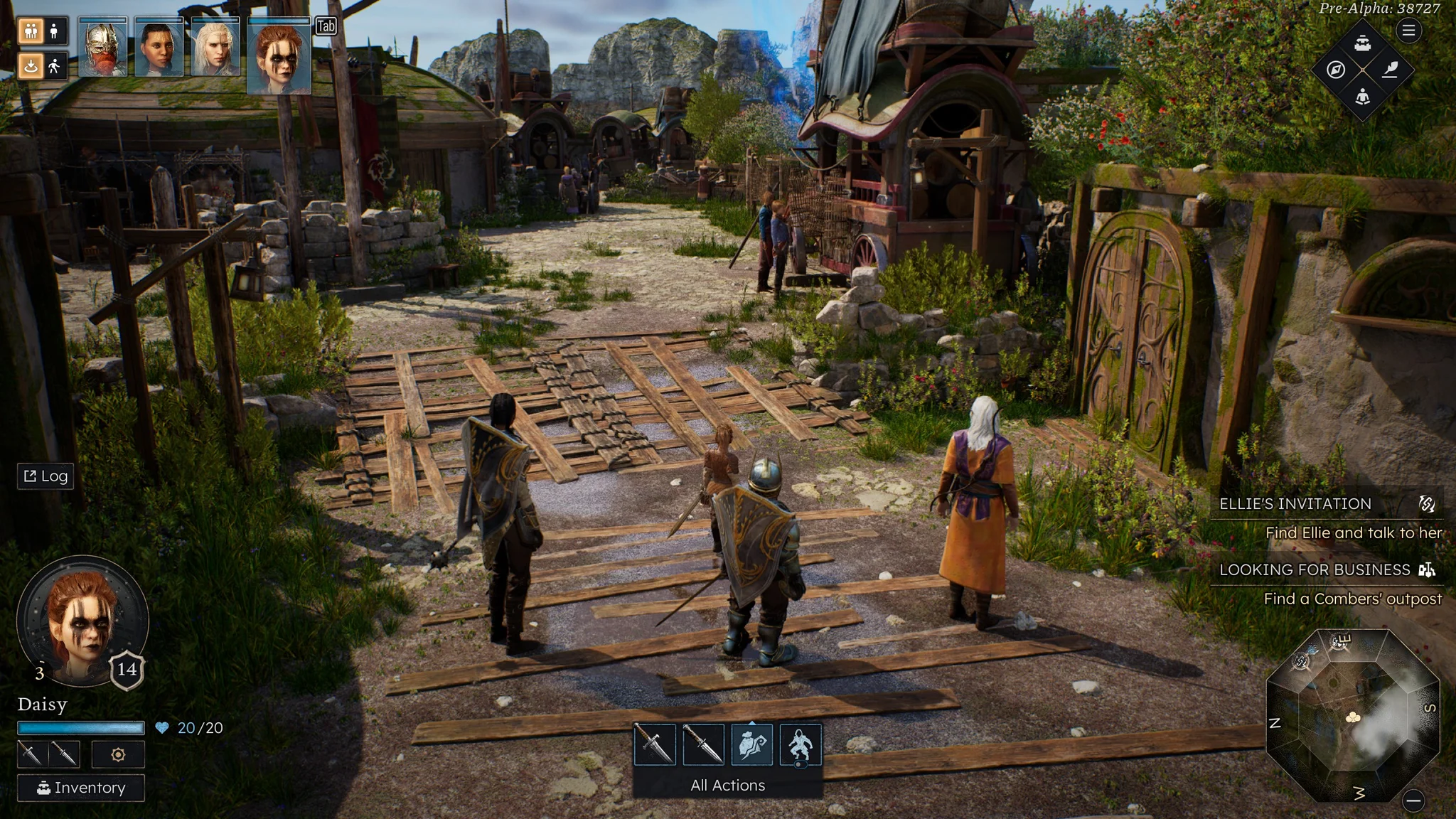
If you want to optimize your playthrough without relying on external software immediately, you should dive into the custom difficulty menu before starting your campaign.
For the most balanced experience that still feels rewarding, we highly recommend turning off True RNG and enabling Karma Dice for player characters. Additionally, you can adjust the Enemy Rolls settings to prevent the AI from landing consecutive critical hits on your fragile spellcasters. Tweaking these internal difficulty sliders allows you to experience the rich narrative and tactical depth without the extreme spikes of frustration that accompany tabletop realism.
Banish Bad Luck: XMODhub Hit and Crit Overrides
You have a job, school, and a life outside of tabletop rulesets. You truly should not waste your precious weekend repeatedly loading save files just because the computer rolled a few low numbers. If you want to skip this frustrating luck check and focus entirely on incredibly fun tactical positioning and skill synergies, the XMODhub PC Trainer is your ultimate shortcut.
Since the official game has locked down the native console, our tool utilizes safe memory hooking to grant you direct control over the dice outcomes. Acquiring and using the trainer is seamless.
- By launching the XMODhub software alongside your active game session, the tool automatically hooks into the Unity engine.
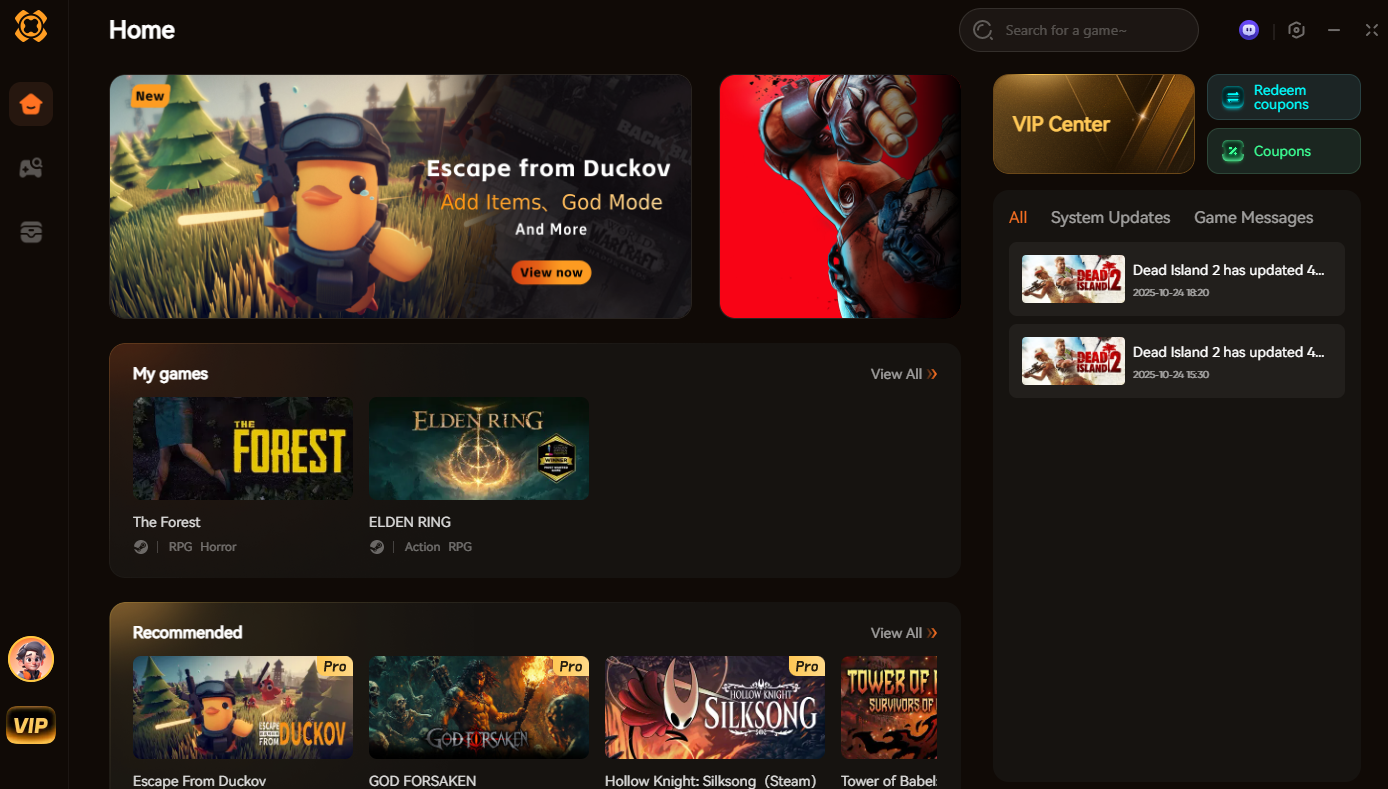
- From the main dashboard, you can effortlessly toggle the guaranteed hit or forced critical strike options.
- The next time you face a fully healed boss, every attack your party makes will be forcefully registered by the system as a perfect maximum roll.
- This completely eliminates tedious save-scumming and lets you focus on enjoying the thrill of absolute victory.
Frequently Asked Questions (FAQ)
Q: Does Karma Dice affect enemy RNG as well?
A: In most scenarios, if you enable standard balancing mechanics, the enemies’ missed streaks are also corrected, meaning they have a higher probability of hitting your party. This is exactly why many high-level players prefer using external modification tools to unilaterally lock the hit rates in their own favor.
Q: Will using memory modifiers corrupt my campaign save file?
A: Absolutely not. The software does not inject any fake items or break the engine framework; it simply locks the memory value for that specific fraction of a second when the system calculates the roll. The game registers these perfect d20 rolls as legitimate luck, meaning your save file remains completely safe.
Q: Can I modify just the damage dice without altering the d20 hit chance?
A: Yes. You have the flexibility to choose whether you want to lock the d20 hit calculation or solely maximize the weapon damage rolls (like forcing a d8 longsword to always hit for 8), giving you incredible freedom in how you plan your tactical encounters.
Conclusion: Take Control of Your Destiny
In your Solasta 2 journey, even the most flawless tactical planning can be completely shattered by a single, unforgiving die. By understanding the critical differences between True RNG and Karma Dice mechanics, you can better manage your expectations and optimize your campaign settings.
But if this pure game of chance begins to drain your passion for the adventure, remember that you are the true Dungeon Master of this campaign. Utilize the XMODhub PC Trainer to take back control, activate the dice overrides, and allow your party of heroes to sweep across the dark continent as an unstoppable force!

Ich bin ein leidenschaftlicher Gamer und Autor bei XMODhub, der sich der Aufgabe verschrieben hat, euch die neuesten Gaming-News, Tipps und Einblicke zu geben.
Verbinden Sie sich mit mir:
LinkedIn-Profil
 Nancy Miller