Summary: FrostBound’s playtime varies by playstyle, but this guide breaks down the main story length, completionist hours, and everything you need to know before diving in.
FrostBound is a roguelike deck‑building + tower‑defense game, launched November 26, 2025 by Lyra Studio.
Rather than a fixed storyline, FrostBound is centered on repeated runs: you build a base, draft decks from 500+ cards across multiple factions, and defend against waves of enemies under harsh winter conditions.
Because of its roguelike and replay‑driven nature, total playtime varies widely. This guide outlines typical run durations, suggests how different playstyles affect total gameplay time, gives a structured “chapter list” for runs/progression, and describes how tools like XMOD (or similar mods/utilities) could improve performance and convenience, helping you optimize your time.
Table of contents
- What is FrostBound?
- How long is FrostBound?
- FrostBound Chapter List
- All Objectives in FrostBound
- How Can You Enhance FrostBound Gaming?
- Conclusion
What is FrostBound?
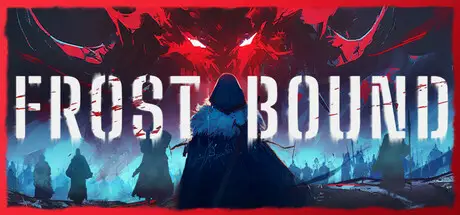
- FrostBound is a hybrid of deck‑building, tower‑defense, and roguelike mechanics set in an endless winter world.
- Players lead a fortress, manage resources, build base structures, draft decks from over 500 cards, across 4 factions, choose from 10 starting heroes each with unique skills, and prepare for waves of enemies.
- Battles are turn-based on a grid: each turn you deploy troops or build structures; because of the freezing climate, many units retreat after a single turn — forcing reliance on structures or elite units to hold the line.
- There are more than 100 upgradable buildings/structures you can build to influence each battle’s outcome.
- Enemy variety is broad — dozens of enemy types (70–80+), from regular enemies to elites or special wave compositions.
- The game emphasizes replayability: procedural runs, random draws and events, and adaptive difficulty ensure no two runs look exactly the same.
How long is FrostBound?
Because FrostBound is run‑based and highly replayable, “how long it takes” depends on how many runs you attempt, how deeply you engage with deck/base/structure systems, and how much you aim for mastery.
Based on the game’s design and community feedback:
~30–60 minutes — typical for a casual playthrough: build a base, draft a deck, survive waves.
- Casual session (few runs):
~1.5–3 hours — enough for several attempts, testing decks or heroes, experimenting with strategies.
- Moderate engagement (multiple runs + experimentation):
~4–8 hours — includes trying different factions/heroes, upgrading structures, exploring mechanics.
- Extended play session (dedicated session with experimentation):
8–15+ hours — for players testing many builds, improving base layouts, tackling harder waves.
- Long-term / “completionist” style (progression over many sessions):
20–30+ hours (spread over multiple sessions) — if you aim to explore many card/structure/hero combos, push high difficulty, master synergies, and refine strategies.
FrostBound Chapter List
While FrostBound doesn’t have traditional narrative chapters, you can conceptually break progression into phases — useful for article structure or guides:
Learn mechanics: base building, resource management, turn‑based defense, retreat mechanic, basic deck building, surviving first waves.
- First Deck Builds & Base Establishment
Build first meaningful decks, start constructing base/structures, test early card‑structure combos, try surviving repeated waves with rising difficulty.
- Faction / Hero Exploration
Experiment with different heroes (10 available) and factions (4), test varied deck combinations, explore synergy potential across factions and card types (Attack, Defence, Skill, Structure, Elite).
- Base & Structure Development
Build and upgrade buildings/defenses (100+ possible), shape battlefield — mixing deck strategy with structural planning to handle tougher waves.
- Mid‑Difficulty Runs & Adaptive Challenges
Face stronger enemies (70–80+ types), manage limited resources, deal with increasing challenge, test incremental improvements in strategy and base.
- Elite Card & Advanced Strategy Runs
Utilize Elite cards, advanced decks, tricky structure/deck synergies, risk‑reward decisions (e.g. “Curse Cards”) to push efficiency or challenge.
- Endurance / Long‑Term Runs & High Difficulty
Attempt high‑difficulty modes (beyond “Journey/tourist” runs), aim for maximum wave survival, optimal resource and deck/structure synergy — stress‑test your build under full difficulty.
- Mastery & Replay‑Driven Progression
After understanding base mechanics, focus on refining deck archetypes, base designs, hero/faction combos — treat each run as a way to improve, learn enemy patterns, experiment, and achieve personal bests.
All Objectives in FrostBound
Core objectives across runs:
- Draft a deck from 500+ cards — balancing Attack, Defense, Skill, Structure, Elite types.
- Build and upgrade base structures/ buildings (100+ possible) to enhance defense, resource generation, or battlefield effect.
- Position troops and defenses strategically each turn; because most units retreat after one turn due to cold — structure placement and timing matter.
- Survive waves of enemies — variety matters: foot soldiers, elites, different enemy types (70–80+).
- Adapt to randomness: each run differs — random draws, procedural waves, events like “Fortification Events” or “Beacons” for elite‑card recruitment.
- Explore different heroes, factions, and strategy combinations — deck + base + hero synergy for optimal performance.
- Progress across multiple runs: refine builds, aim for higher difficulty runs, pursue mastery rather than fixed “100% campaign completion.”
FrostBound mixes roguelike, deck-builder, and tower-defense with replay-focused, recurring objectives.
How Can You Enhance FrostBound Gaming?
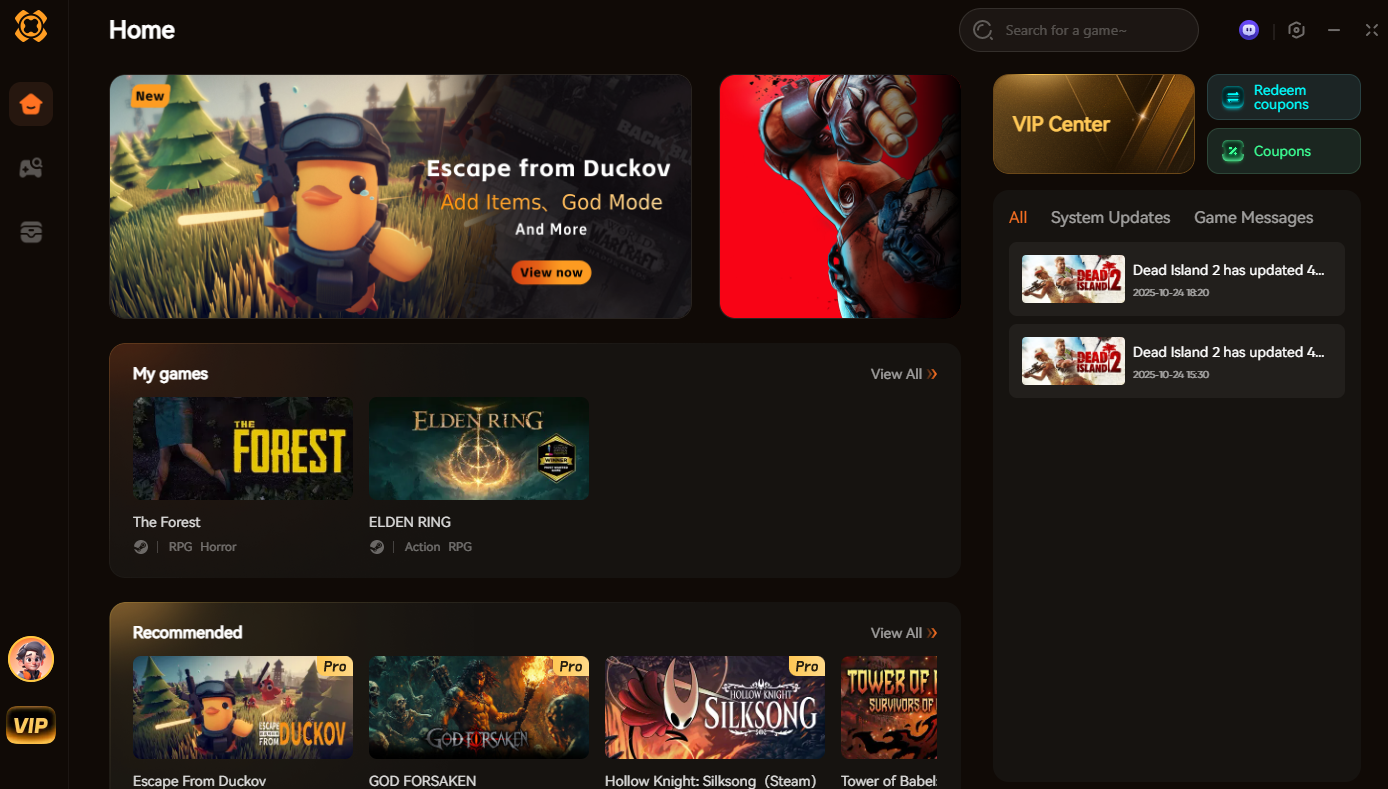
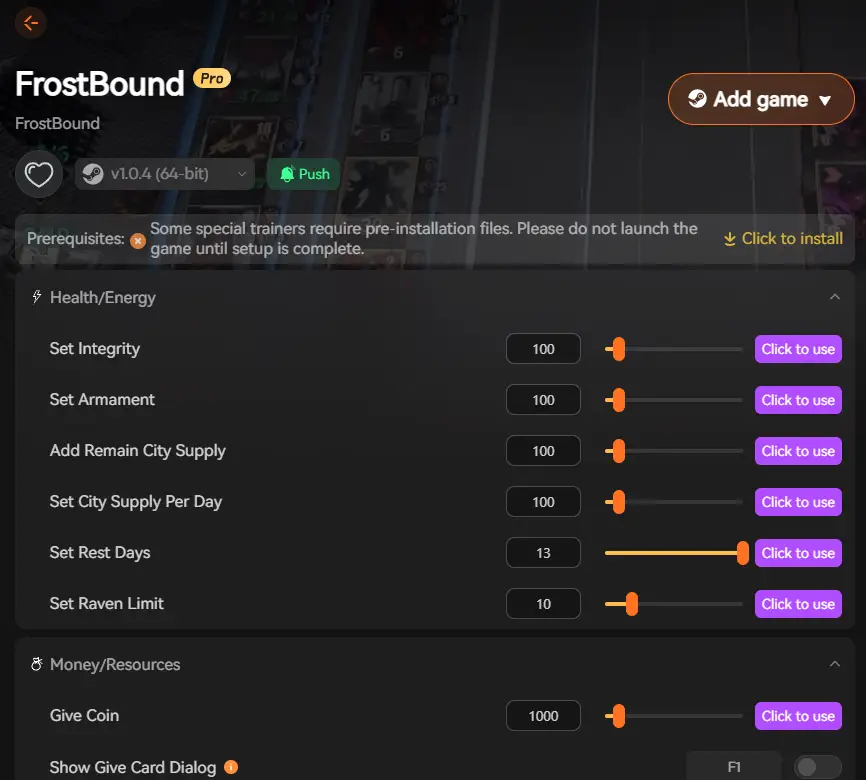
If you use tools like XMOD (or hypothetically mod/util toolkits), you could improve your FrostBound experience in these ways:
- Performance optimization — ensure stable frame rates and responsiveness during intensive battles with many units, structures and enemies active.
- Deck & Structure management utilities — quick preview of card/structure synergies, easier deck building, resource tracking, base layout planning — reduces tedious manual management.
- Replay assistance & history tracking — track run history, successful builds/strategies, enemy wave outcomes, resource gain/loss — helps refine strategies across multiple runs more efficiently.
- Quality‑of‑life improvements — UI enhancements, better save/load between runs, faster restarts or quick resets, improved clarity of unit/structure stats.
- Customization of difficulty or pace — optional adjustments to resource abundance, enemy strength or spawn rate, allowing a tailored experience (casual or hardcore), or faster progression when experimenting.
Using such tools can be a big plus if you plan to invest many hours — letting you focus on strategy and experimentation rather than micromanagement or repetitive setup.
Conclusion
FrostBound is not a linear, story-driven game — it’s a roguelike deck‑builder + tower‑defense hybrid built for repeated runs, strategic depth, and high replay value.
A single run might take under an hour; casual sessions a few hours. But if you dive deep — exploring factions, heroes, building bases, optimizing decks/structures, and tackling high‑difficulty waves — total playtime can easily reach 20–30+ hours across multiple sessions.
Its large card pool, variety of heroes and factions, structure upgrade systems, and procedural wave/enemy randomness give great depth and replay value.
If you care about optimization or replay-focused progression, using a mod/utility like XMOD can help streamline deck/base management, improve performance, and make experimentation or repeated runs less tedious.
FrostBound is ideal for players who enjoy strategy, adaptability, deck-building creativity, and long-term replay value — the game becomes what you make of it.
I am a passionate gamer and writer at XMODhub, dedicated to bringing you the latest gaming news, tips, and insights.
Connect with me:
LinkedIn Profile ↗

 Catherine Hu




 Nancy Miller